ما مصادر مياه الصرف التي يتعين على مركز بيانات في ثانغ هوآ معالجتها؟
يحتاج مركز البيانات في ثانغ هوآ إلى استراتيجيات معالجة منفصلة لمياه التعبئة والتفريغ الأولية ذات المدة القصيرة، ولمياه التصريف المستمرة من أبراج التبريد. تتطلب مياه التصريف عادةً التصفية والترشيح الفائق (UF) والتناضح العكسي (RO) عند استهداف إعادة استخدام water في أبراج التبريد؛ إذ يوفر التناضح العكسي رفضًا للمواد الصلبة الذائبة بنسبة 95–99%، بينما يناسب الترشيح nanofiltration (NF) الحالات التي تكون فيها العسر هو القيد الرئيسي. يجب تأكيد حدود التصريف المحلية، وموافقات إعادة الاستخدام، ومسارات التصرف في المخلفات مع الجهات المختصة في ثانغ هوآ. ولا ينبغي تصريف أي من المصدرين قبل إعداد خطة موثقة لأخذ العينات والقبول والتصرف.
يختلف المصدران في المدة والتركيب والمعالجة التنظيمية. قد تحتوي مياه التعبئة والتفريغ الأولية على مثبطات التآكل والمبيدات الحيوية وبقايا الأغشية الحيوية وأكاسيد المعادن، ولذلك تحتاج إلى توصيف، وقد تتطلب معالجة بالCarbon أو تلميعًا بالأكسدة يتبعه التصرف. أما مياه التصريف المستمرة من أبراج التبريد فتحتوي على أملاح مركزة من مياه المصدر، والمواد الصلبة العالقة، وكيماويات معالجة مياه التبريد المتبقية. وهي الخيار الرئيسي للترشيح والمعالجة بالغشاء وإعادة الاستخدام كمياه تعويضية للتبريد.
During due diligence, also review equipment-cleaning wastewater, RO or softener backwash, and air-handling condensate. Sanitary sewage remains a separate domestic stream and should not be used to blur process-wastewater treatment or permitting responsibilities. The two-stream approach is also applied in comparable regional planning for معالجة مياه صرف مركز البيانات في جوهور بهرو.
| المصدر | الخصائص النمطية | الاستجابة التصميمية |
|---|---|---|
| التعبئة والتفريغ الأولي | كيماويات تبريد متبقية، وبقايا الأغشية الحيوية، ومنتجات التآكل، وأكاسيد المعادن | جمع منفصل، واختبارات ممثلة، ومعالجة أو تلميع عند الحاجة، وتحقق مستقل، ثم التصريف أو النقل خارج الموقع |
| التصريف المستمر من أبراج التبريد | أملاح مركزة، ومواد صلبة عالقة، وكيماويات معالجة متبقية | الترشيح وإزالة المواد الصلبة بصورة موثقة قبل UF أو NF أو RO؛ وإدارة المياه المركزة وإعادة الاستخدام أو التصريف المنضبط |
| مياه العمليات المساعدة | مياه تنظيف المعدات، ومياه الغسيل العكسي لـ RO أو مزيل العسر، ومكثفات التحكم بالهواء | تحديد المصدر والتكرار والتركيب الكيميائي قبل إدماجها في مسار التصريف |
| مياه الصرف الصحي | مياه صرف منزلي | معالجتها بصورة منفصلة عن مياه الصرف الصناعي |
ما الذي يجب قياسه قبل اختيار المعدات؟
Should begin equipment selection with measured chemistry, because suspended solids, scaling minerals and residual chemicals determine the pretreatment and recovery limits. Request makeup-water quality, blowdown TDS, cycles of concentration, suspended solids, pH, temperature, hardness, alkalinity, silica, chloride, metals, biocides, corrosion inhibitors, and the complete scale or dispersant chemistry.
Genesis Water Tech (2025) gives a published cooling tower blowdown envelope of 1,200–6,000 mg/L TDS, equivalent to 4–8 times makeup-water TDS, together with 10–50 mg/L suspended solids. These figures are benchmarks for developing the design basis, not substitutes for Thanh Hoa site analysis. Hardness, alkalinity and silica indicate precipitation risk; antiscalant demand influences RO feed conditioning; biological content and suspended solids determine the required solids barrier; and residual chemicals affect reuse compatibility.
Establish a baseline monitoring period covering makeup water, evaporation, blowdown, emergency dumps and seasonal operating variation. Genesis Water Tech (2025) reports that actual blowdown can exceed theoretical calculations by 15–30% because of unmeasured losses and emergency dumps. Equipment capacity should therefore be based on observed peak flow and chemistry, not only the nominal water-balance calculation.
Water Usage Effectiveness, or WUE, is calculated as annual site water usage divided by IT equipment energy. Genesis Water Tech (2025) notes that WUE does not disclose discharge quality or reuse potential, so it cannot by itself select a treatment train. The broader دليل معالجة مياه الصرف عالية الملوحة provides additional context for separating physical pretreatment from dissolved-solute removal.
| المدخلات قبل التصميم | سبب تأثيرها في التصميم |
|---|---|
| TDS لمياه التعبئة والتصريف، والتوصيلية، ودورات التركيز | تحدد الحمل الأيوني، وحجم التصريف المتوقع، والحد الأقصى لاسترداد الأغشية |
| العسر، والقلوية، والسيليكا، والكلوريد، ودرجة الحرارة | تحدد مخاطر الترسبات وتدعم الاختيار بين NF وRO |
| المواد الصلبة العالقة، والعكارة، والمؤشرات الحيوية | تحدد متطلبات الترشيح والمعالجة الأولية باستخدام UF |
| المبيدات الحيوية، ومثبطات التآكل، ومثبطات الترسب، والمشتتات | تحدد التوافق الكيميائي، واحتياجات التلميع، وحدود إعادة الاستخدام |
| سجلات التدفق، والتصريفات الطارئة، والتغيرات الموسمية | تحدد الحمل التشغيلي الفعلي ومتطلبات ذروة المعدات |
كيف ينبغي إدارة مياه الصرف من التعبئة والتفريغ الأولي؟
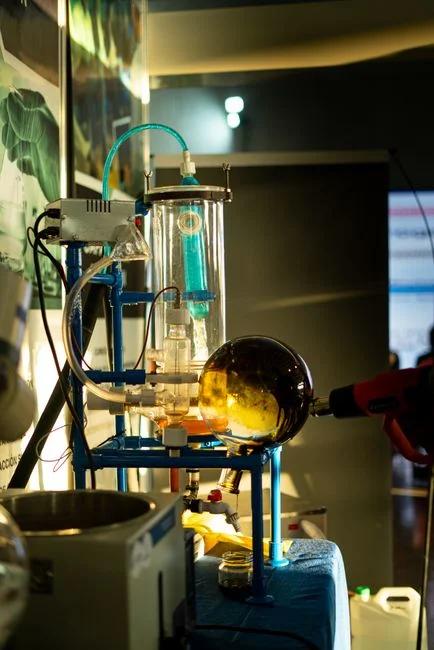
Commissioning fill-and-flush wastewater should be held, characterized and independently verified before discharge because one-time releases can create disproportionate receiving-system risk. Use a dedicated, labeled collection route and do not combine it with steady-state blowdown unless the receiving authority and EPC have approved that specific practice.
Obtain representative samples before discharge. The initial program should include pH, TDS, conductivity, suspended solids, temperature and residual cooling-water chemicals identified from the site program. Testing should also address contaminants associated with the actual construction materials, corrosion-control products and fill procedure rather than relying only on a generic water analysis.
Two U.S. precedents illustrate the compliance risk, but neither is a Vietnamese rule. Loudoun Water requires independent testing of flush-and-fill water and may direct unsuitable loads off-site. In Cheyenne, a fill-and-flush incident resulted in permit revocation and a US$10,000 fine (E&E News, 2025). These cases support a formal acceptance sequence: hold, characterize, obtain receiving-system approval, treat or polish as directed, independently verify, then discharge or haul off.
- جمع مياه التشغيل الأولي في خزان أو حاوية منفصلة ومُعلَّمة.
- توصيف عينات ممثلة وفق معايير القبول المكتوبة من الجهة المستقبِلة.
- تقديم الحمل المقترح والحجم ومسار المعالجة للموافقة.
- تطبيق Carbon أو الأكسدة أو غيرها من عمليات التلميع فقط حين يبرر التحليل الكيميائي ذلك.
- التحقق المستقل من الجودة النهائية والاحتفاظ بسجلات سلسلة الحيازة.
- التصريف عبر المسار المعتمد أو نقل الحمل غير المناسب خارج الموقع.
The EPC and treatment supplier should state separately whether the quotation includes collection, testing, treatment, disposal and completion documentation. This scope is particularly important when comparing a نطاق المعالجة بالغشاء والتلميع with a complete commissioning-wastewater service.
أي مسار معالجة يناسب هدف إعادة استخدام مياه التصريف؟
يعتمد مسار معالجة مياه التصريف المناسب على جودة إعادة الاستخدام المطلوبة وتركيب الترسبات؛ فالترشيح أحادي الجانب يزيل المواد الصلبة الخشنة، ويوفر UF حاجزًا موثقًا للحيوية والجسيمات، بينما تعمل المعالجة الكيميائية على حماية الأغشية، ويؤدي RO أو NF إلى إزالة المواد الصلبة الذائبة. وينبغي أن تكون إدارة المياه المركزة جزءًا من المسار المختار، لا مسألة تصريف لم تُحل.
Genesis Water Tech (2025) reports a side-stream self-cleaning spiral-filter benchmark of 10–25 microns and 1–5% of total circulation flow. Its hollow-fiber UF benchmark is 0.01–0.1 micron, 10–30 psi and 90–95% recovery, with chemical cleaning every 1–3 months on cooling tower blowdown feed. RO feed should be filtered below 10–15 microns and dosed with antiscalant (Genesis Water Tech, 2025).
RO is appropriate where total dissolved solids, chloride or silica control the reuse target. It provides 95–99% rejection, 10–50 mg/L permeate TDS and 50–85% recovery on cooling tower blowdown. NF is more appropriate where hardness controls the requirement; its published recovery is 70–85%, with permeate at roughly 30–50% of feed TDS (Genesis Water Tech, 2025).
Conventional brackish RO commonly plateaus at 75–80% recovery on cooling tower blowdown because calcium carbonate, calcium sulfate and silica constrain concentration (IDE Tech, 2026). A نظام المعالجة الأولية UF بالألياف المجوفة may use 0.03-micron PVDF membranes with automatic backwash and air scour, but final duty and pore size require project-water verification. An industrial RO blowdown-recovery system should be selected only after feed chemistry and recovery calculations are agreed.
A مرشح المعالجة الأولية متعدد الطبقات can protect downstream equipment on the makeup line. Budget for a stocked spare set of RO and UF elements because they are consumables; the cited عناصر أغشية RO وUF should be specified with traceability and project-specific compatibility.
| شرط القرار | المسار المنطبق | القيد الرئيسي |
|---|---|---|
| إزالة الجسيمات هي الهدف الرئيسي | ترشيح أحادي الجانب يليه UF | لا يزيل الأملاح الذائبة؛ ويُنصح بإ Reserve space if future reuse is planned |
| العسر يحدد حد إعادة الاستخدام أو التصريف | ترشيح، وUF، ومعالجة كيميائية، وNF | تبقى المياه المنتَجة عند نحو 30–50% من TDS لمياه التغذية |
| TDS الكلي أو الكلوريد أو السيليكا يحدد الحد | ترشيح، وUF، وتهيئة بمثبط الترسب، وRO | يحد الترسب في المياه المركزة من نسبة الاسترداد |
| المواد الصلبة في خط التعبئة تتطلب حماية إضافية | ترشيح متعدد الطبقات قبل نظام التبريد | يجب تضمين الغسيل العكسي ومعالجة المخلفات في تخطيط الموقع |
متى تكون NF أو MVC أو ZLD مبررة؟
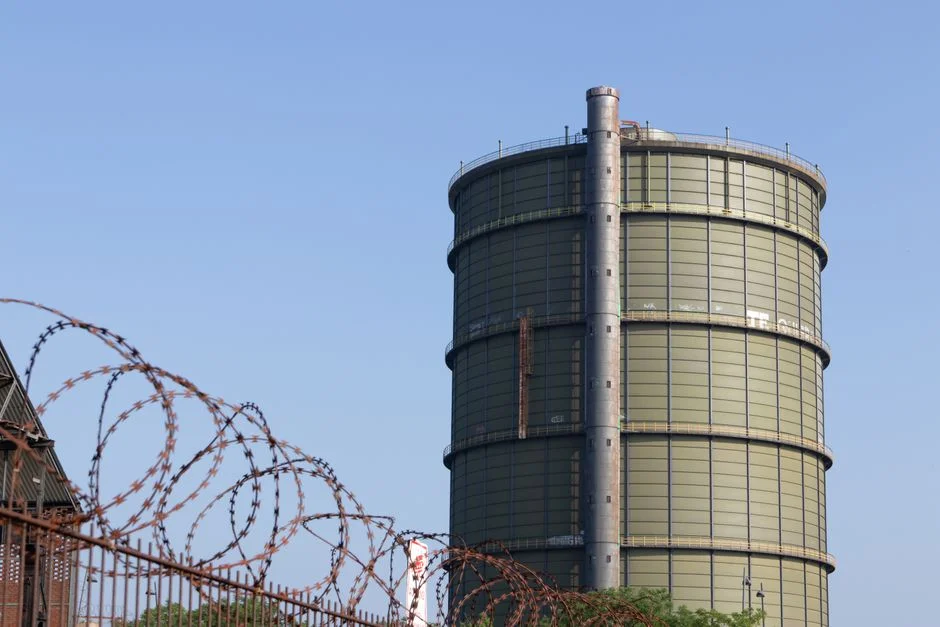
Higher-complexity treatment should follow a confirmed water-quality or volume constraint: use NF when hardness governs the limit, RO when silica, chloride or total dissolved solids govern it, and consider MVC or ZLD only when the recovered water value or residual-disposal restriction supports the added equipment and operating burden (Genesis Water Tech, 2025).
MVC can recover water from RO concentrate. Genesis Water Tech (2025) gives a benchmark of 95–98% recovery, distillate below 10 mg/L TDS and energy demand of 15–25 kWh per 1,000 US gallons of distillate. The source also reports that adding MVC roughly doubles capital cost relative to the cited core treatment train. That is a screening comparison, not a Thanh Hoa estimate.
Full zero-liquid-discharge treatment is justified only when a project-specific requirement mandates it. The cited configuration reaches 95–99% overall recovery and leaves solid waste below 1% of the original blowdown volume (Genesis Water Tech, 2025). Partial ZLD can reduce discharge volume by 80–90%, but the remaining brine still needs an approved route such as deep-well injection, haul-off or special-permit discharge (Genesis Water Tech, 2025).
Before selecting these options, obtain the residual-waste route, local acceptance criteria, utility access, waste-transport arrangements and operating responsibility. Where chemical control is needed, an نظام آلي لحقن المواد الكيميائية must be integrated with feed monitoring, containment and fail-safe controls rather than treated as an accessory.
| الخيار | المؤشر المنشور | شرط الشراء |
|---|---|---|
| NF | استرداد 70–85%؛ ومياه منتَجة عند نحو 30–50% من TDS لمياه التغذية (Genesis Water Tech, 2025) | يجب أن يكون العسر هو المكون الحاكم |
| RO مع MVC | MVC: استرداد 95–98% وماء مقطر عند أقل من 10 mg/L TDS (Genesis Water Tech, 2025) | يجب تقييم حجم المياه المركزة والطلب على الطاقة |
| ZLD الكامل | استرداد إجمالي 95–99%؛ ومخلفات صلبة أقل من 1% من حجم التصريف الأصلي (Genesis Water Tech, 2025) | يلزم تأكيد مسار قبول المخلفات المتبقية |
| ZLD الجزئي | خفض حجم التصريف بنسبة 80–90% (Genesis Water Tech, 2025) | يبقى التصرف في المياه المركزة نشاطًا خاضعًا لترخيص مستقل |
ما تكاليف المعالجة التي ينبغي للمشتري في ثانغ هوآ إدراجها في الميزانية؟
يمكن إعداد تقدير أولي معقول للتكاليف الرأسمالية، لكن مؤشرات المعالجة الدولية ليست عروض أسعار لثانغ هوآ.-indicate Genesis Water Tech (2025) places a 50,000 GPD core comprising side-stream filtration, UF, antiscalant dosing and RO at US$300,000–700,000. Within that scope, it cites US$50,000–200,000 for the side-stream filter and US$250,000–500,000 for the RO skid. Adding MVC roughly doubles capital cost relative to the core train.
For a zero-liquid-discharge option, the same source gives a US$3–8 million capital benchmark and US$5–15 operating cost per thousand gallons treated (Genesis Water Tech, 2025). These are high-level screening values only. Currency, local construction costs, import duties, freight, foundation design, electrical works and disposal arrangements must be established through a site-specific quotation.
The buyer should require the offer to state whether it includes process duty, freight, foundations, electrical supply, installation, commissioning, initial chemicals, membrane spares, operator training, monitoring and residual disposal. The industrial treatment-plant selection guide provides a useful framework for separating packaged equipment from project-specific scope.
Build the operating case from actual local inputs: makeup-water cost, disposal charge, electricity, chemicals, membrane replacement, labor, laboratory monitoring and permit fees. Until those figures are obtained, no local total cost per cubic metre or payback period should be presented as fact.
| بند التكلفة | المؤشر الدولي للفرز | الإجراء في ثانغ هوآ |
|---|---|---|
| النظام الأساسي بترشيح أحادي الجانب وUF وحقن مثبط الترسب وRO بسعة 50,000 GPD | US$300,000–700,000 (Genesis Water Tech, 2025) | طلب عرض سعر محلي شامل التركيب مع بيان الاستثناءات |
| component滤 الترشيح أحادي الجانب | US$50,000–200,000 (Genesis Water Tech, 2025) | تأكيد أساس التدفق، والمواد، ونظام التحكم، وحدود التركيب |
| component وحدة RO | US$250,000–500,000 (Genesis Water Tech, 2025) | تأكيد الاسترداد، وجودة المياه المنتَجة، والطاقة، وضمان الأغشية |
| إضافة MVC | تضاعف التكلفة الرأسمالية تقريبًا مقارنةً بالنظام الأساسي المذكور (Genesis Water Tech, 2025) | تسعيرها بصورة منفصلة والتحقق من حمل المياه المركزة ومسار المخلفات |
| ZLD الكامل | تكاليف رأسمالية US$3–8 million؛ وتكلفة تشغيل US$5–15 لكل ألف غالون معالج (Genesis Water Tech, 2025) | يستخدم فقط للتقييم الأولي إلى حين تأكيد جدوى التنفيذ محليًا ومسار المخلفات المتبقية |
كيف ينبغي تسلسل التصاريح وتخطيط الموقع في ثانغ هوآ؟
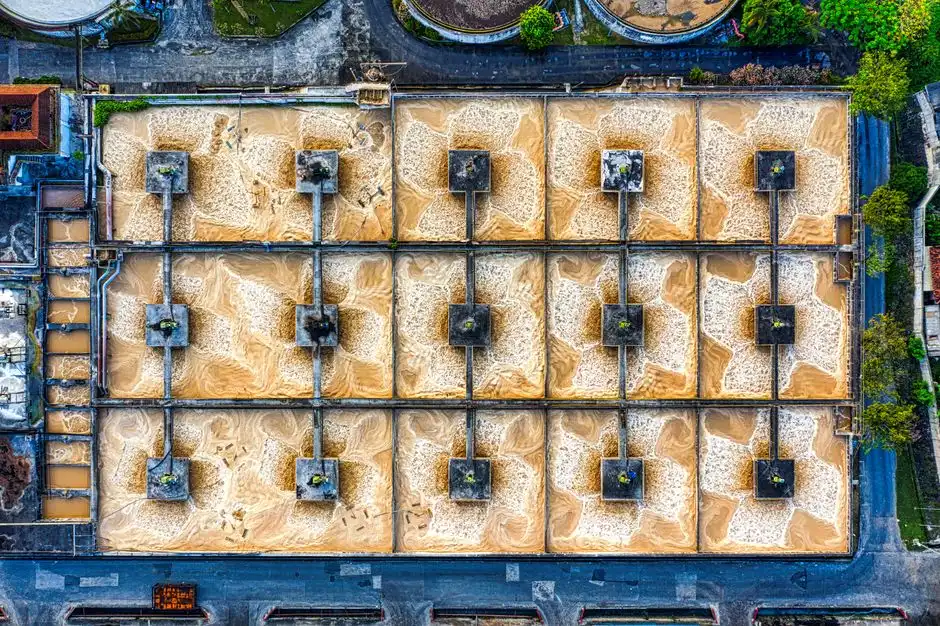
Permit engagement and treatment-plant footprint should be placed on the project critical path before detailed design and equipment award. Establish the applicable Vietnam industrial discharge framework, then obtain project-specific thresholds, permit fees, reuse-authorization procedures and residual-disposal requirements directly from the competent Thanh Hoa authorities. The supplied research does not provide verified Thanh Hoa numeric discharge limits, so no numerical threshold should be inferred from the international benchmarks in this article.
Engage the reviewing authority and receiving utility early enough for their requirements to influence the treatment train, sampling points and discharge route. Determine whether the project will seek approved reuse of treated blowdown, permitted industrial discharge, or both. The same sequence applies to any planned recovery-water application: reuse changes the water-quality objective and may require separate authorization.
Reserve space for tanks, pumps, chemical storage, dosing equipment, membranes, backwash and concentrate handling, spill containment, drainage and vehicle access. Include the maintenance route for membrane elements and chemical deliveries. Equipment layout should preserve access for sampling, isolation and residual-waste handling rather than treating the treatment package as a standalone skid.
Provide sampling ports and the required provisions for flow, pH and conductivity monitoring, while confirming the final monitoring and laboratory program with the reviewing authority. Early Due diligence for Vietnam industrial wastewater permits supports coordination with authorities, but each Thanh Hoa project site must be assessed independently.
ما الذي ينبغي لمورّد المعالجة إثباته قبل التعاقد؟
يجب أن يثبت مورّد المعالجة أن عرضه مبني على التركيب الكيميائي للمشروع، وأنkah يشمل مصدري مياه الصرف. ويلزم تقديم أساس مكتوب للعملية باستخدام تركيب قياسي أو متوقع لمياه التعبئة والتصريف، بدل اختيار حزمة معيارية من حجم المنشأة وحده.
Ask for evidence of relevant industrial discharge permitting experience, including Vietnam experience where available. A U.S. permit does not prove Vietnamese compliance. The supplier must also provide a written scope for commissioning fill-and-flush wastewater as well as steady-state blowdown; omission of the commissioning stream is a commercial red flag.
For RO and UF equipment, require documented membrane material, pore size or rejection basis, warranty status and consumable traceability. Equivalent documentation should be provided for unbranded substitutes rather than accepting untraceable generic components.
Request guaranteed flow, recovery, permeate or treated-water quality, concentrate-management method, availability target, cleaning interval, controls scope, monitoring requirements, spare parts and performance-test protocol. The نظام المعالجة الأولية UF بالألياف المجوفة is a relevant equipment reference because it covers 2,000–40,000 L/h, uses 0.03-micron PVDF membranes, and includes automatic backwash, air scour and feed turbidity up to 300 ppm, subject to project-specific duty verification. A treatment-parts and valve schedule should identify the required spares.
| فحص التعاقد | الاستجابة المطلوبة | المخاطر عند الإغفال |
|---|---|---|
| أساس التصميم المبني على التركيب الكيميائي | جدول جودة المياه المقاس أو المتوقع وحسابات العملية | قد تكون المعدات غير مناسبة للترسبات أو المواد الكيميائية المتبقية |
| نطاق المصدرين | طريقتان منفصلتان لمياه التشغيل الأولي والتصريف المستمر | تأخر غير مخطط في المعالجة أو التصرف أو التصريح |
| أدلة الامتثال | مراجع تصاريح ذات صلة ومقترح مسار اعتماد في فيتنام | قد تُساء تفسير ادعاءات الامتثال الأجنبية قبولًا محليًا |
| ضمانات الأداء | الحمل والاسترداد والجودة وتوافر التشغيل والتنظيف وبروتوكول الاختبار | عدم وضوح معايير القبول والمسؤولية التشغيلية |
| إدارة المخلفات المتبقية | مسار موثق للتصرف في المياه المركزة والمخلفات | تكون طاقة المعالجة قابلة للاستخدام فقط إذا كان للمخلفات وجهة نظامية |
الأسئلة الشائعة
كيف ينبغي للمشتري في ثانغ هوآ تحديد حجم معدات معالجة تصريف أبراج التبريد؟
Size the equipment from monitored site inputs, not from cooling-system capacity alone. Request makeup-water and blowdown flow, TDS, conductivity, cycles of concentration, suspended solids, hardness, alkalinity, silica, chloride, temperature, residual chemicals and emergency-dump records. Then require the supplier to state the design flow, recovery, operating and peak flow, permeate quality, concentrate volume and redundancy basis. Genesis Water Tech (2025) reports that actual blowdown can exceed theoretical calculations by 15–30% because of unmeasured losses and emergency dumps, so the design duty must be reconciled against measured operation.
ما الميزانية التي ينبغي للمشتري طلبها للمعالجة في ثانغ هوآ؟
Use US$300,000–700,000 only as an international screening range for the cited 50,000 GPD side-stream-filter, UF, antiscalant-dosing and RO core, not as a Thanh Hoa estimate (Genesis Water Tech, 2025). Ask each bidder for an itemized local quotation covering equipment, freight, foundations, electrical works, installation, commissioning, chemicals, membrane spares, training, monitoring and residual disposal. Obtain local water, electricity, labor, disposal and permit charges separately before calculating operating cost or payback.
أي مورّد يقدم أقل مخاطر امتثال لمركز بيانات في ثانغ هوآ؟
Select the supplier that provides a chemistry-based design basis, a documented performance test and a written scope covering both commissioning fill-and-flush wastewater and continuous cooling tower blowdown. Require traceable RO and UF consumables, but do not treat a U.S. permit as evidence of Vietnamese approval. The relevant data-center blowdown treatment framework can support technical comparison, while the actual approval pathway must come from the competent Thanh Hoa authorities.
متى يكون نظام المعالجة عالي الاسترداد مبررًا؟
Consider NF when hardness controls the reuse or discharge limit, and RO when total dissolved solids, silica or chloride control it (Genesis Water Tech, 2025). Add MVC when recovering RO concentrate has sufficient water value or the residual discharge volume is constrained. Consider full ZLD only when zero liquid discharge is required and the solid-waste route is confirmed. Partial ZLD may reduce discharge volume by 80–90%, but the remaining brine still requires an approved disposal route (Genesis Water Tech, 2025).
المعدات المرتبطة
- نظام صناعي لاسترداد مياه التصريف باستخدام RO — المواصفات، ونطاق السعة، والبيانات الفنية