لماذا تُعطّل مياه صرف المصانع الكيميائية في غولف بورت نظام الحمأة المنشطة التقليدي
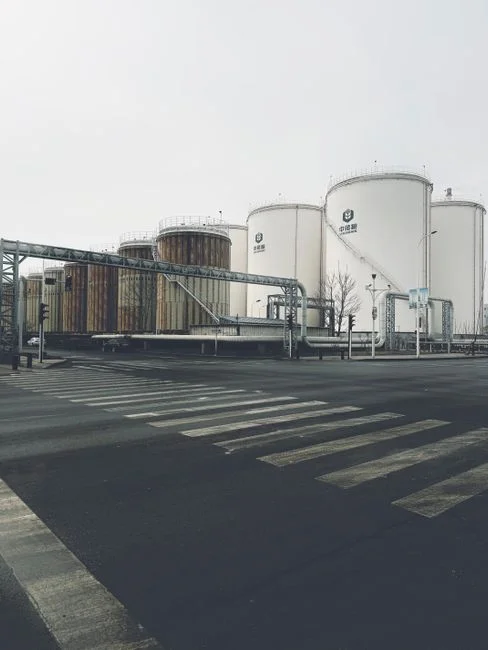
يتجاوز مياه الصرف الواردة من الممر الصناعي الكيميائي والبتروكيميائي في غولف بورت عادةً 1,500–5,000 mg/L من COD، و3,000–15,000 mg/L من TDS بسبب التقاطعات مع عمليات الكلور والقلوي والمحاليل الملحية، مع ارتفاعات في FOG تتجاوز 200 mg/L أثناء عمليات الغسل الصناعي، وتقلبات في الأس الهيدروجيني بين 4–11، وأحمال episodية من المذيبات (MEK، التولوين، كلوريد الميثيلين). يتولى خط الحمأة المنشطة التقليدي العمليات البيولوجية؛ غير أن المشكلة تكمن في المروّق الثانوي. إذ تؤدي انتفاخ الحمأة، وصعودها، والحمل الهيدروليكي الزائد إلى انهيار وحدة الترسيب بصرف النظر عن جودة تشغيل حوض التهوية، كما تتكاثر الكائنات المسببة للانتفاخ بقوة في التيارات الغنية بـ FOG والمركبات العضوية المتطايرة النموذجية في مصانع الكلور والقلوي والكيماويات المتخصصة في غولف بورت.
وفقاً لما تُؤطّره دراسة MBR/RO التحسينية لعام 2012، "تُعالَج الكتلة الحيوية في حوض تهوية، ثم تُرشَّح السائل المختلط عبر أغشية MF/UF مغمورة أو جانبية" — إذ تحل الأغشية محل خطوة الترسيب التي تعتمد على مؤشر حجم الحمأة بدلاً من حجم مسام محدد. ويُعدّ هذا الاستبدال وحده سبباً في أن غشاء PVDF بحجم 0.1–0.4 μm أكثر تحملاً لحوادث الصدمات الكيميائية من أي مروّق.
تُصدر إدارة ميسيسيبي للجودة البيئية (MSDES) تصاريح NPDES لمياه الصرف الصناعي في هذا الحوض بفرض حدود على BOD، وTSS، والأمونيا، والزيوت والشحوم، ودرجة الحموضة، وغالباً ما تشتد هذه الحدود لتصل إلى أقل من 10 mg/L من TSS في المسارات التي تصبّ في بيرنارد باييو أو المياه الساحلية لخليج ميسيسيبي. كما تدفع التزامات إعادة الاستخدام ومسارات التفريغ الصفري (ZLD) باختيار التقنية. وتعني حساسية المياه المستقبلة على ساحل الخليج أن أي فشل في المروّق يتحول مباشرة إلى تجاوز للتصارح؛ وهذا الحساب المتعلق بالمخاطر هو ما يجعل MBR الخيار الافتراضي لمياه الصرف الواردة من القطاع الكيميائي في هذا الممر.
بنية عمليات MBR مقابل CAS: ما الذي يتغيّر فعلياً داخل الحوض
يتكون خط CAS من خزان تهوية تحوّل فيه البكتيريا غيرية التغذية BOD إلى كتلة حيوية وثاني أكسيد الكربون، يليه مروّق ثانوي يقسّم السائل المختلط إلى المياه الخارجة المُصفّاة، والحمأة المنشطة المُعادة (RAS)، والحمأة المنشطة المُهدَرة (WAS). تعتمد عملية فصل الصلب عن السائل على الجاذبية، ويشكّل المروّق نقطة الفشل الوحيدة.
إن نظام المفاعل الحيوي الغشائي MBR المتكامل يستبدل المروّق بأغشية MF/UF مغمورة أو في مسار جانبي بحجم مسام 0.1–0.4 μm، ويُستخدم PVDF في أغلب الأحيان. يُسحَب المرتشح تحت التفريغ، وتُحتجَز الكتلة الحيوية في حوض التهوية، فيما يعمل الغشاء كحاجز مطلق مستقل عن قابلية ترسيب الحمأة. وتُعدّ هذه الخاصية السبب الجذري لتحمل MBR للكائنات المسببة للانتفاخ الشائعة في النفايات الكيميائية. يعمل الغشاء كخطوة فصل الصلب عن السائل، فينخفض بذلك نسبة F/M إلى 0.05–0.15 d⁻¹ ويرتفع MLSS إلى 8,000–12,000 mg/L (S2)، وقد يصل إلى 15,000 mg/L في التيارات الصناعية الأكثر تعقيداً (S4).
يكون فصل HRT عن SRT أكثر حدة في MBR: SRT أطول (20–60 يوماً)، وخزانات أصغر، وعازل كتلة حيوية أعلى ضد ارتفاعات السمية. تؤكّد أطروحة Grasmick لعام 2012 حول MBR أن الأغشية في نطاق قطع 0.04–0.2 μm تحتجز البكتيريا والفيروسات "بشكل شبه كامل"، مما يرسّخ الادعاء الهندسي في أعمال مراجعة الأقران المتعلقة بإزالة مسببات الأمراض وبالعلاقة بين تركيز MLSS، وتهوية الأغشية، ونقل الأكسجين. أما الأثر العملي على الممر الكيميائي في غولف بورت فهو أن الكتلة الحيوية تظل حيّة عبر اضطرابات محلول الكلور والقلوي التي كانت ستُعطّل المروّق.
مقارنة معايير التشغيل: MBR مقابل CAS لأداء القطاع الكيميائي
يجمع الجدول أدناه الإطار التشغيلي الذي يحتاج إليه المهندس لإعداد مذكرة أساس تصميمي لتيار القطاع الكيميائي. وتمثّل القيم النطاقات النمطية لعام 2026؛ أما تيارات COD الصناعية المرتفعة فتدفع MBR نحو حدود MLSS وSRT العليا.
| المعيار | MBR | CAS | ملاحظات بشأن أداء القطاع الكيميائي |
|---|---|---|---|
| MLSS (mg/L) | 8,000–12,000 (حتى 15,000) | 2,000–5,000 | يُعوِّض MLSS المرتفع الكلوريدات أعلى من 2,000 mg/L |
| نسبة F/M (d⁻¹) | 0.05–0.15 | 0.2–0.5 | تُحسّن نسبة F/M الأدنى من مرونة التحمل السمي |
| SRT (أيام) | 20–60 | 5–15 | يُساعد SRT الأطول في النترتة |
| HRT (ساعات) | 4–8 | 6–12 | عند تطابق حمل BOD: خزانات MBR أصغر |
| TSS في المياه الخارجة (mg/L) | <5 | 10–30 | تحتاج CAS عادةً إلى معالجة نهائية |
| عكر المياه الخارجة (NTU) | <1 | 5–20 | يقترب مرتشح MBR من مواصفات تغذية RO |
| SDI₁₅ | <3 | >5 (نموذجياً) | جاهز لـ RO دون معالجة بالوسائط المتعددة |
| المساحة الأرضية | أصغر بنسبة 40–60% | خط الأساس | وحدة غشاء DF اللوحية المسطحة من PVDF بقدرة أصغر بنحو 60% |
| إنتاج WAS | أقل بنسبة 20–40% عند تطابق SRT | خط الأساس | يتوافق مع نتيجة التحلل المرتفع في Banu et al. 2009 |
| إزالة مسببات الأمراض (log) | 4+ log | 1–2 log | وفقاً لأطروحة Grasmick 2012، نطاق قطع 0.04–0.2 μm |
ليست عملية تشغيل SRT الطويل في MBR نظرية. أجرى Banu et al. (2009) تجربة A2O-MBR بتدفق مُصمَّم قدره 77 LMH لمدة 270 يوماً عبر نطاقي MLSS، مما يُثبت أن تشغيل MBR عند MLSS المرتفع مستقر على النطاق الصناعي. ويُعدّ هذا الاستقرار السبب في أن MBR هو الخيار الافتراضي للتيارات الكيميائية التي قد تواجه CAS صعوبة في إبقاء الكتلة الحيوية داخل الحوض.
مصفوفة إجهاد مياه الصرف الكيميائي الواردة: حيث تفشل CAS ويصمد MBR
يصف جدول المعايير حالة الاستقرار. أما القرار الفعلي المهم في عملية إعادة تأهيل مصنع كيميائي في غولف بورت فهو كيفية تعامل كل خط مع الصدمات. ترسم المصفوفة أدناه أغلفة مياه الصرف الواردة التي يُنتجها هذا الممر.
| عامل الإجهاد | نمط فشل CAS | سلوك MBR | الإجراءات التخفيفية |
|---|---|---|---|
| FOG أكبر من 50 mg/L | تغليف التكتلات، انتفاخ شديد، فيضان الرغوة | خطر تلوث لا رجعة فيه؛ يتعافى بشكل أسرع بمجرد إزالة FOG في المنبع | نظام التعويم بالهواء المذاب (DAF) قبل كلا الخطين |
| تقلبات pH بين 4–11 | صعود الحمأة، انهيار النترتة | كتلة حيوية ذات قدرة تخزين أعلى؛ خزان الغشاء المُحكَم يحبس انحرافات pH | تحكم inline في pH + معادلة |
| TDS أكبر من 5,000 mg/L، Cl⁻ أكبر من 2,000 mg/L | فقدان النترتة، ضعف الترسيب | تشغيل مستقر عند MLSS المرتفع؛ كتلة حيوية متحملة للكلوريدات | تحكم بالتهوية المتزامنة؛ التحقق من تأقلم Halomonas ومؤكسدات النيتريك |
| المذيبات (MEK، التولوين، DCM) | تجريد بالهواء في حوض التهوية، تعرض العمال | خزان الغشاء المُحكَم يُقلّل الغازات المنطلقة؛ البيولوجيا تتأثر عند الجرعات العالية | معاولة + تجريد بالهواء في المنبع لكليهما |
| درجة حرارة أعلى من 40°C | فقدان النترتة، انجراف الكتلة الحيوية | تلف غشاء PVDF فوق تصنيف 40°C | تبريد أو اختيار مفاعل حراري |
| ارتفاعات COD العالية (COD أكبر من 5,000 mg/L) | صدمة F/M، حمل زائد على المروّق | SRT الطويل يمتص الحمل؛ يبقى F/M ضمن 0.05–0.15 d⁻¹ | خزان معادلة بحجم احتجاز 8–24 ساعة |
تُعدّ بيانات Banu et al. 2009 نقطة إثبات لاستقرار MLSS المرتفع: 77 LMH مستدامة لمدة 270 يوماً، ويعزو المؤلفون هذه النتيجة إلى "معدل تحلل مرتفع نسبياً وإنتاج أقل من الحمأة بسبب عمر الحمأة الأطول بكثير". وهذا هو نفس نمط التشغيل الذي سيُطبَّق في MBR في خدمة الكلور والقلوي في غولف بورت.
المراسي التنظيمية في غولف بورت وMSDES
تفرض تصاريح NPDES لمياه الصرف الصناعي من MSDES في حوض غولف بورت الساحلي حدوداً للمتوسطات الشهرية على BOD، وTSS، والأمونيا (كـ N)، والزيوت والشحوم، وpH، مع قيم أكثر صرامة عند طرف التصريف في الحالات التي يصل فيها المخرج إلى بيرنارد باييو أو خليج ميسيسيبي. يجب التحقق من الحدود الرقمية المحددة مقابل التصريح الساري، لكن الاتجاه يتماشى مع إرشادات EPA لمياه الاستقبال الساحلية ومعايير المعالجة المسبقة التصنيفية المعتمدة في ميسيسيبي وفق 40 CFR 403 للمصنعين الكيميائيين الذين يصرفون إلى POTWs.
| محرك MSDES | الانطباع النموذجي | الانحياز التقني |
|---|---|---|
| متوسط TSS الشهري أقل من 10 mg/L | تحتاج CAS إلى معالجة نهائية بفلتر القماش أو الرمل | يُفضِّل MBR |
| الزيوت والشحوم أقل من 10–15 mg/L | تتطلب DAF قبل أي من الخطين | محايد مع المعالجة المسبقة بـ DAF |
| حد الأمونيا (موسمي، نحو 2–4 mg/L N) | SRT طويل مطلوب للنترتة | يُفضِّل MBR (SRT 20–60 يوماً) |
| التزام إعادة الاستخدام أو مسار ZLD | يتطلب RO + تركيز المحلول الملحي؛ حاجة إلى SDI أقل من 3 | يُفضِّل MBR بقوة |
| القولونيات البرازية / مسببات الأمراض (التصريف الساحلي) | التطهير مطلوب في CAS؛ المياه الخارجة من MBR منخفضة TB أصلاً | يُفضِّل MBR |
بالنسبة للمواقع التي تشمل في نطاقها حلقة إعادة استخدام، فإن RO المغذّى بـ MBR يُطيل فترات CIP بنسبة 30–50% مقارنةً بـ RO المغذّى بـ CAS (بيانات ميدانية من HydropureWater، الربع الرابع 2025). ويُعدّ هذا بنداً جوهرياً في أي حساب TCO لمدة 20 عاماً لمياه makeup لأبراج التبريد أو تغذية الغلايات، ويربط القسم التنظيمي بقسم النفقات التشغيلية التالي.
رأس المال والنفقات التشغيلية وفترة الاسترداد لمشروع مصنع كيميائي في غولف بورت لعام 2026
يتراوح رأس المال التسليم المفتاحي لعام 2026 لمحطات EPC المتكاملة على skid بين $80–$220 per m³/d لـ CAS و$180–$420 per m³/d لـ MBR. وتتوسع الفجوة مع مياه الصرف الصناعية العالية COD (خزانات أسمك، ونفخات هواء أكبر) ومع اختيار الفولاذ المقاوم للصدأ مقابل الفولاذ الكربوني. وتتراوح النفقات التشغيلية بين $0.10–$0.22 per m³ لـ CAS و$0.18–$0.42 per m³ لـ MBR؛ ويُمثّل هواء تنظيف الأغشية نحو 30–50% من طاقة MBR، منفصلاً عن الطلب البيولوجي على الأكسجين.
| بند التكلفة (2026) | CAS | MBR | ملاحظات |
|---|---|---|---|
| رأس المال التسليم المفتاحي ($/m³/d) | 80–220 | 180–420 | تتوسع الفجوة مع قسط الفولاذ المقاوم للصدأ / COD العالي |
| النفقات التشغيلية ($/m³) | 0.10–0.22 | 0.18–0.42 | طاقة الأغشية 30–50% من نفقات MBR التشغيلية |
| استبدال الأغشية | — | مُستهلَك على 7–10+ سنوات | الأسعار الفعلية أدنى بنحو 60% من خط أساس 2010 |
| مواد كيميائية CIP | — | NaOCl 300–500 mg/L + حمض الستريك/الأوكساليك | دورة 1–4 أسابيع بحسب FOG وSRT |
| تعويض معالجة WAS | خط الأساس | حمأة أقل بنسبة 20–40% | تجفيف الحمأة عبر مكبس الترشيح اللوحّي والإطاري |
| الترشيح النهائي المطلوب لإعادة الاستخدام | نعم (وسائط متعددة + UV) | لا شيء عادةً | بند خفي في رأس مال CAS |
تتراوح فترة استرداد ترقية CAS إلى MBR عادةً بين 3–6 سنوات عند تحقق أي من ثلاثة شروط: (1) استلزام مياه إعادة الاستخدام وشمل خط أساس CAS قطار ترشيح نهائي، (2) كانت تكلفة الأرض تجعل توفير المساحة بنسبة 40–60% أمراً جوهرياً، أو (3) اشترطت موافقة التصريف TSS أقل من 10 mg/L دون ترشيح نهائي. يُظهر المثال العملي S4 بسعة 500 m³/d قسط TCO لمدة 20 عاماً لـ MBR بنحو 13% مقابل قسط رأس مال بنسبة 32%؛ وعند تحقيق قيمة إعادة الاستخدام، تميل الحسابات بشكل حاسم.
مصفوفة الاختيار: متى يفوز MBR، ومتى يظل CAS هو الأنسب في غولف بورت

يُعدّ MBR الخيار الافتراضي لمياه الصرف الواردة من القطاع الكيميائي في هذا الممر عند انطباق أيٍّ مما يلي: وجود التزام بإعادة الاستخدام في النطاق، أو كون الموقع محدود المساحة (وهو نموذجي في حالات إعادة التأهيل brownfield داخل سقيفة قائمة)، أو الحاجة إلى SDI أقل من 3 لوحدة RO في المصب، أو احتواء غلاف مياه الصرف الواردة على تقلبات FOG أو TDS أو pH التي تُعطّل المروّق، أو اشتراط موافقة التصريف TSS أقل من 10 mg/L دون معالجة نهائية. يُشحن نظام المفاعل الحيوي الغشائي MBR المتكامل كحزمة جاهزة على skid تقترن مباشرة بـ RO، وهو أمر مهم عند تضمين حلقة إعادة استخدام لأبراج التبريد أو تغذية الغلايات في نطاق الإنفاق الرأسمالي لعامَي 2026–2027.
يظل CAS هو الخيار الصحيح للمواقع الجديدة (greenfield) التي تتجاوز تدفقاتها 5,000 m³/d، وتتمتع بأرض كافية، ولا التزام عليها بإعادة الاستخدام، وتكون موافقة التصريف فيها قابلة للتحقيق بالترسيب الثانوي وحده. وثمة مسار هجين مفيد خاص بغولف بورت: إعادة تأهيل حوض تهوية CAS القائم كمنطقة تهوية MBR، وإضافة خزائن أغشية مغمورة، وإزالة المروّق، وإعادة تصميم RAS وتوزيع السائل المختلط. هذا التعديل التحديثي ممكن في كثير من مواقع brownfield حيث يكون المروّق هو عنق الزجاجة. كما تُتيح تصاميم skid MBR المُجزَّأة إمكانية البناء المرحلي للسعة — تركيب خزانتين في اليوم الأول، وإضافة اثنتين أخريين في السنة الثالثة عند توسيع الإنتاج. في المقابل، يُصمَّم CAS لتدفق التصميم في اليوم الأول؛ فالإنشاء المرحلي ممكن ميكانيكياً لكنه نادراً ما يكون اقتصادياً بسبب هيدروليك المروّق وRAS.
الأسئلة الشائعة
ما الفرق الرئيسي بين MBR والحمأة المنشطة التقليدية لمصنع كيميائي؟
يستبدل MBR المروّق الثانوي بغشاء PVDF بحجم مسام 0.1–0.4 μm، ويحافظ على MLSS عند 8,000–12,000 mg/L (حتى 15,000)، ويفصل SRT عن HRT. تعتمد CAS على الترسيب بالجاذبية عند MLSS يتراوح بين 2,000–5,000 mg/L. بالنسبة لتيار كيميائي في غولف بورت، يُترجم ذلك إلى مياه معالجة خارجة من MFR أقل من 5 mg/L TSS وأقل من 1 NTU، مقابل 10–30 mg/L TSS في CAS قبل المعالجة النهائية (وفق غلاف تصميم S2).
كم تبلغ تكلفة نظام MBR في 2026 مقابل CAS لأداء مصنع كيميائي؟
يتراوح رأس المال التسليم المفتاحي في 2026 بين $180–$420 per m³/d لـ MBR مقابل $80–$220 per m³/d لـ CAS، مع نفقات تشغيلية قدرها $0.18–$0.42/m³ و$0.10–$0.22/m³ على التوالي. يُقدَّر قسط TCO لمدة 20 عاماً لـ MBR بنحو 13% في المثال العملي S4 بسعة 500 m³/d، مقابل قسط رأس مال بنسبة 32% — ويُغلق رصيد قيمة مياه إعادة الاستخدام هذه الفجوة.
هل تُلزم MSDES باستخدام MBR لتصريف المصانع الكيميائية في غولف بورت؟
لا تُسمّي تصاريح NPDES لمياه الصرف الصناعي من MSDES تقنية محددة، لكن حدود TSS والأمونيا والزيوت والشحوم للمتوسط الشهري في حوض غولف بورت الساحلي تفرض عادةً MBR أو تهيئة CAS مع ترشيح نهائي. وفي الحالات التي يصل فيها المخرج إلى بيرنارد باييو أو خليج ميسيسيبي، تُفضي أهداف القولونيات والعناصر المغذية فعلياً إلى اشتراط MBR أو CAS مع فلاتر القماش القرصي وUV (وفق إرشادات تصريح NPDES لمياه الصرف الصناعي من MSDES ومعايير 40 CFR 403 التصنيفية).
هل يستطيع MBR التعامل مع صدمة مياه صرف كيميائية واردة مثل 200 mg/L من FOG أو تذبذب pH بين 4–11؟
يتحمل MBR التذبذب بشكل أفضل من CAS بفضل الكتلة الحيوية ذات التخزين الأعلى، وخزان الغشاء المُحكَم الذي يُقلّل التعرض للغازات المنطلقة، وSRT الذي يتراوح بين 20–60 يوماً. لا يزال FOG أعلى من 50 mg/L يُشكّل خطر تلوث لا رجعة فيه للغشاء، لذا فإن وجود نظام التعويم بالهواء المذاب (DAF) في المنبع أمر غير قابل للتفاوض لكلا الخطين. أما تقلبات pH بين 4–11 فتقع ضمن إطار عمل MBR مع المعادلة inline؛ ويميل CAS عادةً إلى الفشل أولاً عبر صعود الحمأة. وحدة غشاء DF اللوحية المسطحة من PVDF مُصنَّفة حتى 40°C، لذا فإن تجاوزات درجات الحرارة لما فوق ذلك تستلزم تبريداً أو اختيار مفاعل حراري.