لماذا تُعدّ مياه صرف الأغذية والمشروبات في نكنك حالة خاصة
تقع نكنك داخل تجمّع تصنيع سلمون خليج بريستول، حيث تتسم التدفقات بطابع موسمي حاد: تعمل المصانع بمعدّل تصريف يقترب من الصفر من أكتوبر حتى مايو، ثم تقفز التدفقات خلال موسم سockeye بين يونيو وسبتمبر، مع بلوغ الأحمال الهيدروليكية في أسبوع الذروة نطاق بضع مئات من الجالونات في الدقيقة في معلبات الأسماك متوسطة الحجم، وتجاوز 1,000 جالون في الدقيقة في عمليات إنتاج الطحين الأكبر. لا تُعدّ المياه الداخلة خلال هذا الموسم تيارًا نمطيًا للأغذية والمشروبات، بل تحمل زيت أسماك طافيًا ودمًا وقطع لحم معلّقة ومواد صلبة من الأحشاء، وهي مصفوفة منخفضة الكثافة يقع معظم حملها الملوّث في حالة طفوية أو قريبة من التعادل، لا في حالة قابلة للترسيب. تُعدّ وثيقة وكالة حماية البيئة (EPA) لعام 1975 بعنوان وثيقة تطوير حدود تصريف مياه الصرف ومعايير أداء المصادر الجديدة لقطاع تعليب وتصنيع الأسماك والقاعية وسرطان البحر والمحار والسردين والأسقلوب والرنجة وأذن البحر من فئة مصادر التلوث الصناعي لمعالجة الأسماك والمحار المعلّبة والمحفوظة المرجع الذي يصنّف هذه العائلة من مياه الصرف ويذكر التعويم بالهواء المذاب بوصفه التقنية الموثّقة عند نهاية خط المعالجة في القسم السابع والملحق (أ). تُفاقم برودة الطقس المشكلة: يبلغ متوسط درجة حرارة الشتاء في نكنك نحو -10°م (14°ف)، وحتى خلال موسم التشغيل تبقى درجة حرارة المياه المسحوبة والأجواء الداخلية منخفضة بما يكفي لإبطاء حركيات المعالجة البيولوجية. ولهذا تُصبح الإزالة الأولية للمواد الطافية أمرًا حاسمًا، لأن الدهون والزيوت والمواد الصلبة الخفيفة التي تصل إلى حوض التهوية اللاحق تغلّف الكتلة الحيوية وتخفض كفاءة نقل الأكسجين، وهو نمط تعطّل صُمّمت تصاميم وكالة حماية البيئة المرجعية لعام 1975 لمنعه. يُظهر السجل التنظيمي الذي تشكّل إلى جانب إجراءات إنفاذ التصريف الصناعي السابقة مدى جدية التعامل مع تسرّب FOG إلى محطة المعالجة البلدية.
التعويم بالهواء المذاب مقابل المروّق بالجاذبية: الفرق الحقيقي بين آليتي العمل
تعمل وحدات التعويم بالهواء المذاب على إذابة الهواء تحت ضغط يتراوح عادة بين 60 و80 رطل/بوصة مربعة في تيار مُعاد تدويره، ثم إطلاق هذا الضغط داخل خلية التعويم لتتولّد فقاعات دقيقة يتراوح قطرها بين 20 و50 ميكرونًا تلتصق بالندف المُكيَّف كيميائيًا وترفعه إلى السطح، حيث يزيله كاشط علوي على شكل بطانية. تصف SigmaDAF سحابة الفقاعات الدقيقة بأنها بقطر 30 إلى 50 ميكرونًا، في حين صُنّف مولّد Micro Bubbler من DAF Corp لتوليد فقاعات ثابتة بقطر 20 إلى 40 ميكرونًا دون تسرّب هواء خشن. يعمل المروّق بالجاذبية على فرق الكثافة وحده: تسقط الجسيمات الأثقل من الماء عبر بطانية الحمأة، وتفيض المياه الصافية عبر مجرى محيطي، وتنقل كاشطات السلسلة والشفرة الحمأة المترسبة إلى قمع التجميع. يناسب المروّق المواد المعدنية الكثيفة والحصى والرواسب الكيميائية المُندّفة جيدًا، لكنه يتراجع في الأداء أمام الدهون والزيوت والجسيمات العضوية الخفيفة التي تبلغ كثافتها النوعية 1.0 أو أقل. بُني FC Maximizer من DAF Corp حول خزان دائري ضحل بسرعة صفرية يتراوح قطره بين 6 و70 قدمًا ضمن نطاق تدفق 10 إلى 11,000 جالون في الدقيقة، ويُبلّغ عن إزالة للمواد الصلبة العالقة بنسبة 92 إلى 98%، بينما يعتمد RC UniMax على هندسة مستطيلة مع عناصر داخلية بأسلوب lamella، بحجم تدفق يتراوح بين 10 و1,000 جالون في الدقيقة ونسبة إزالة TSS بين 85 و90%. كلا الجهازين وحدة تعويم لا ترسيب بالجاذبية. تُعدّ كيمياء التخثير والتلبد شرطًا لأداء DAF، إذ تؤكد SigmaDAF وSpectrum Water على ضرورة إجراء اختبار الجار على مياه الصرف الفعلية لاختيار البوليمر والجرعة المناسبة. يمكن تشغيل المروّق بالجاذبية دون كيمياء، لكنه يتحمّل اضطرابات هيدروليكية أقل، وبدون تكييف تبقى الزيوت المستحلبة في المياه الفائضة.
ما تُظهره بيانات وكالة حماية البيئة حول أداء DAF على مياه صرف السلمون والأسماك
تُعدّ وثيقة التطوير لعام 1975 الصادرة عن وكالة حماية البيئة أكثر مجموعة بيانات موثوقة حول أداء DAF على مياه الصرف من النوع الموجود في نكنك، ولا تزال الأساس الهندسي الذي تستشهد به مورّدو DAF الحاليون. يعرض الشكل 86 من تلك الوثيقة نظامًا نموذجيًا للتعويم بالهواء المذاب لعمليات تصنيع الأسماك والمحار، وهو التصميم المرجعي لمصانع السلمون والسردين، بينما يُقدّم الملحق (أ) ببليوغرافيا مخصصة لاستخدام التعويم الهوائي في صناعة الأسماك والمحار. ترد جداول الأداء الأكثر أهمية لعملية سockeye في نكنك في نهاية القسم السابع: يُبلّغ الجدول 146 عن كفاءة DAF بالحجم الكامل على مياه صرف السردين، والجدول 147 عن كفاءة DAF بالحجم الكامل على مياه صرف الأسماك والمحار الكندية، وكلاهما بمقياس آلاف الجالونات في الدقيقة. يمثّل الجدول 89 العلاقة بين كفاءة التعويم الهوائي وCOD المياه الداخلة عبر عدة تيارات لمياه صرف الأسماك والمحار، ويظهر إزالة COD بنسبة 60 إلى 90% عبر نطاق التشغيل. تغطي الجداول 143 إلى 145 أعمال Carborundum التجريبية وبالحجم الكامل لـ DAF على الجمبري الخليجي وجمبري ألاسكا ومياه menhaden، وهي ثلاث مصفوفات تتقاطع مباشرة مع مياه صرف خليج بريستول في تركيب الزيت والبروتين. وتغطي الجداول 140 إلى 142 التعويم بالهواء المُشتَّت على مياه صرف التونة بمعدّلات إزالة ضمن النطاق ذاته. تستند هذه الأشكال إلى سجلات وكالة حماية البيئة المتاحة للعموم وتظهر بوصفها الأساس الهندسي في أوراق بيانات المورّدين. النطاق العام الذي يبحث عنه مهندس نكنك، أي «ما الذي يفعله DAF بالمواد الصلبة العالقة وFOG على تيار تصنيع الأسماك»، هو إزالة TSS بنسبة 78 إلى 95% مع استرداد مماثل للزيوت والشحوم، بما يتفق مع بيانات المورّدين الحاليين.
مقارنة جنبًا إلى جنب للأداء والتشغيل
يُجمّع الجدول التالي الأرقام الموثّقة من وكالة حماية البيئة والمبلّغ عنها من المورّدين على المحاور نفسها التي تتحقّق منها المراجعة الهندسية. يُعدّ فهم هذه المعايير ضروريًا لاختيار معدّات تستوعب حجم الحمأة والمساحة الأرضية المتاحة في نكنك.
| المعيار | DAF (تشغيل بالحجم الكامل لمياه الأسماك) | المروّق بالجاذبية |
|---|---|---|
| إزالة TSS | 78-95% (الجداول 143-147 من وكالة حماية البيئة)؛ 92-98% في DAF Corp FC Maximizer؛ 85-90% في RC UniMax | 40-60% على تيارات الأغذية والمشروبات الزيتية |
| استرداد FOG | يُزيل الزيت الحر والمستحلب بحسب التصميم | لا يسترد سوى جزء يسير؛ يمرّ الزيت المستحلب إلى المياه المعالجة |
| تركيز الحمأة | 2-4% مواد صلبة جافة (DAF Corp) | 0.5-1.5% مواد صلبة جافة في التيار السفلي |
| الحمل السطحي (أساس هيدروليكي) | 10-20 م/س نموذجي | 1-2 م/س لتحقيق خفض مماثل في TSS |
| المساحة الأرضية عند 250 جالون/د | نحو 150-250 قدم² للوحدة الواحدة | نحو 600-1,000 قدم² لمروّق مكافئ |
| نطاق التدفق، مصنع صغير | SigmaDAF Compact بسعة ≤66 جالون/د على قاعدة حاملة واحدة؛ DAF Corp FC skid بسعة 48-450 جالون/د | مُنشأ في الموقع، عادة ≥100 جالون/د |
| نطاق التدفق، مصنع كبير | وحدات DAF Corp الميدانية حتى 11,000 جالون/د؛ تهيئة قواعد حاملة متوازية معيارية | أقطار كبيرة مُنشأة في الموقع، خطان متوازيان للتكرار |
| التشغيل في الطقس البارد | التصاق الفقاعات مستقل إلى حد بعيد عن اللزوجة؛ يعمل عند مياه داخلة قريبة من التجمد | يتباطأ معدّل الترسيب أكثر عند انخفاض الحرارة؛ يرتفع عزم دوران الكاشطة |
| التكييف الكيميائي | مطلوب (مادة مُخثِّرة + مادة مُلبِّدة، مع اختبار جار) | اختياري؛ مفيد لكنه ليس شرطًا |
تُعدّ معايير التشغيل المذكورة أعلاه سببًا في أن دليل منع التآكل لمعدّات معالجة مياه الصرف وثيق الصلة؛ إذ إن اختيار الستانلس (304L مقابل 316SS) وتفاصيل طلاء قاع الخزان بنود تُغيّر عروض أسعار عام 2026 تغييرًا جوهريًا.
تحجيم DAF أو المروّق لمصنع موسمي في نكنك
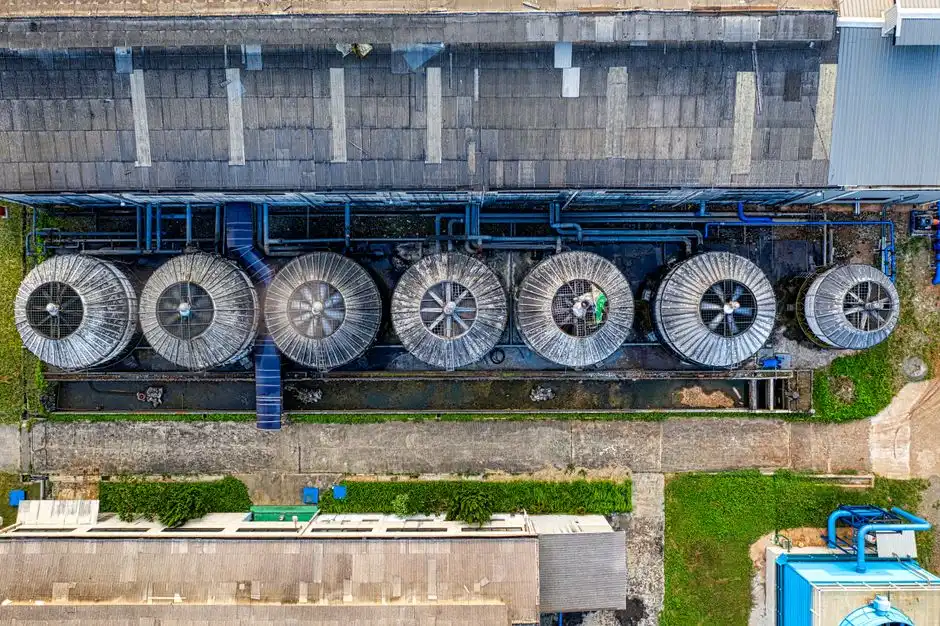
ينبغي تحجيم المصانع على أساس التدفق الذروي لا المتوسط السنوي. يبلغ حجم مياه صرف تعليب السلمون في ألاسكا عادة بين 1,000 و3,000 لتر لكل طن متري من الأسماك المُعالَجة بحسب القسم الخامس من وثيقة وكالة حماية البيئة لعام 1975 الخاص بتدفقات العمليات، مما يعني أن معملًا بسعة 200 طن/يوم في ذروة خليج بريستول يُولّد أحمالًا هيدروليكية في نطاق 150 إلى 350 جالون في الدقيقة قبل الغسيل. يربط الجدول التالي ذلك بفئة المعدّات اللازمة لتخطيط المشتريات.
| التدفق الذروي (جالون/د) | تهيئة DAF الموصى بها | المروّق المكافئ |
|---|---|---|
| ≤66 | SigmaDAF Compact DAF، قاعدة حاملة واحدة، PLC وحقن كيميائي مدمجان | غير اقتصادي تحت نحو 50 جالون/د؛ لا يُوصى به لمياه صرف الأسماك الزيتية |
| 48-450 | DAF Corp FC Maximizer مركّب على قاعدة حاملة (قطر 6-15 قدمًا)، مُجمَّع مسبقًا مع الملحقات | مروّق تقليدي بقطر 20-30 قدمًا، مساحة أرضية أكبر بمرتين إلى ثلاث |
| 100-500 | DAF Corp RC UniMax مستطيل، أو نظام HydropureWater المُنشأ في الموقع (نطاق 4-300 م³/س) | مروّق بقطر 30-45 قدمًا؛ مساحة أرضية أكبر بنسبة 30-50% |
| 500-1,000+ | قواعد حاملة متوازية معيارية أو DAF مُنشأ في الموقع، مع تكرار يسمح بتنظيف وحدة دون إيقاف التصريف | مروّقات كبيرة متعددة بالتوازي؛ تكلفة مدنية كبيرة |
بالنسبة للمصانع متوسطة الحجم في النطاق 100 إلى 500 جالون في الدقيقة، يغطي RC UniMax المستطيل أو نظام HydropureWater DAF المُنشأ في الموقع نطاق 4 إلى 300 م³/س بمساحة أرضية تتسع داخل معمل قائم. في حال اختيار المروّق، توقّعوا مساحة أرضية أكبر بنسبة 30 إلى 50% وخطّطوا لخطوة تلميع DAF لاحقة لاسترداد FOG. يدخل التكييف الكيميائي ضمن بند التكاليف الرأسمالية ذاته: نظام HydropureWater للحقن الكيميائي التلقائي بحجم يتناسب مع المياه الداخلة إلى DAF، مع وحدة تحضير البوليمر ووَصفة مُجرَّبة بالجار، يمنع أكثر أعطال ضعف أداء DAF شيوعًا. نظرًا لبعد نكنك، يجب أن تندرج معالجة الحمأة في البند ذاته: مكبس الترشيح بالألواح والإطار من HydropureWater الذي يلي DAF يُركّز طبقة الطفو البالغة 2-4% إلى كيك قابل للتعبئة في حاويات ونقله بحرًا.
إطار قرار عام 2026: DAF أم المروّق لمصانع الأغذية والمشروبات في نكنك
اختاروا DAF بوصفه الفاصل الأولي حين يحتوي التيار على FOG حر أو مستحلب، أو مواد صلبة بيولوجية خفيفة، أو تقلّبات تدفق موسمية، وهو ما يغطّي عمليًا كل عملية سلمون أو رنجة أو طحين أسماك في نكنك. اختاروا المروّق حين يكون التيار مؤلّفًا من مواد صلبة معدنية ثقيلة دون زيت، ويكون التدفق مستقرًا على مدار العام، وتكون خطوة تلميع DAF لاحقة جزءًا من خط المعالجة المخطّط أصلًا. بالنسبة لمصانع الأسماك والمحار في ألاسكا، اعتمدوا وثيقة التطوير لعام 1975 من وكالة حماية البيئة مرجعًا أساسيًا، ثم استكملوها باختبار جار حديث على مياه الصرف الفعلية في مختبر أحد المورّدين. أدرجوا حزمة التكييف الكيميائي وخطوة نزع الماء من الحمأة في بند التكاليف الرأسمالية ذاته؛ فـ DAF دون نزع الماء يخلق مشكلة نقل في نكنك النائية تأكل جدوى تكاليف التشغيل خلال الموسم الأول. لمصنع سockeye ذروته 250 جالونًا في الدقيقة، تنتج مياه داخلة إلى DAF بنحو 2,000 ملغ/لتر TSS بنسبة إزالة 90% نحو 500 رطل/ساعة من المواد الصلبة الجافة تُلتقط في حمأة بنسبة 3%، يُكثّفها مكبس ألواح وإطار صغير إلى كيك بنسبة 18 إلى 22%، مقابل مروّق بنسبة إزالة 50% يدفع نحو 1,000 رطل/ساعة إلى المصب، ويضاعف حجم نزع الماء، ويترك الزيت المستحلب في المياه المعالجة ليعطّل حوض التهوية. الرقم الذي ينبغي وضعه في مذكرة عام 2026 هو أن تكاليف DAF الرأسمالية أعلى بنحو 15 إلى 20% من مروّق مكافئ، يُعوَّض داخل موسم واحد لخليج بريستول بانخفاض تكلفة النقل، وانخفاض جرعة البوليمر في المصب، وتجنّب اضطرابات حوض التهوية. لضمان موثوقية الحقن الكيميائي، يُعدّ دليل استكشاف أعطال مضخّات الحقن التلقائي ميدانيًا مرجعًا تشغيليًا مفيدًا؛ وبالنسبة للمصانع خارج ألاسكا، يغطي دليل مقارنة DAF والمروّق لمصانع الأغذية والمشروبات في سانت ألبانز الإطار ذاته لمصفوفة الألبان على مدار العام. إذا كان المروّق قائمًا أصلًا والسؤال هو إضافة مروّق بأسلوب lamella بدلًا من DAF، فإن فئة المعدّات المعنية هي المروّق بالألواح المائلة من HydropureWater، الذي يحسّن مساحة الترسيب لكل وحدة مساحة أرضية لكنه يظل معتمدًا على فرق الكثافة وأقل أداءً من DAF في التعامل مع الزيت الحر.
الأسئلة الشائعة
ما سعة تدفق DAF المطلوبة لمصنع سعة 200 طن لكل
الأسئلة الشائعة
هل ينبغي لمصنع تصنيع السلمون في نكنك اختيار DAF أم مروّقًا بالجاذبية؟
في عمليات تصنيع السلمون ذات الإنتاجية العالية في نكنك، تتفوق وحدة التعويم بالهواء المذاب (DAF) عادة على المروّق بالجاذبية بسبب التركيز العالي للدهون والزيوت والشحوم (FOG) المتأصّل في مياه صرف تصنيع الأسماك. بينما يعتمد المروّق بالجاذبية على الترسيب، فإن الكثافة النوعية المنخفضة لدهون الأسماك تجعلها تطفو لا أن تترسب، مما يجعل آلية تعويم DAF أكثر فاعلية بكثير لتحقيق الإزالة العالية للمواد الصلبة المطلوبة للامتثال الموسمي للتصريف.
ما كفاءة إزالة المواد الصلبة العالقة (TSS) التي يحققها DAF على مياه صرف تصنيع الأسماك؟
عند التحسين السليم عبر التخثير والتلبد الكيميائي، يستطيع نظام DAF تحقيق كفاءات إزالة للمواد الصلبة العالقة الكلية (TSS) تتراوح بين 85% و95%. في سياق تصنيع السلمون، صُمّمت هذه الوحدات خصيصًا لالتقاط الجسيمات العضوية الدقيقة والزيوت المستحلبة التي تتجاوز وسائل المعالجة الأولية التقليدية.
كيف يُحجَّم DAF لمصنع سلمون موسمي في خليج بريستول؟
يجب أن يستند التحجيم إلى الحمل الهيدروليكي الذروي في ذروة موسم سockeye في خليج بريستول، ويُحسب عادة باستخدام معدّل فيض سطحي (SOR) يتراوح بين 2.0 و4.0 جالون/دقيقة/قدم². وبسبب الطابع الموسمي الحاد لتصنيع السلمون، يجب على المهندسين تحجيم الوحدة للتعامل مع أقصى معدّلات تدفق لحظية خلال ساعات الذروة لا التدفقات اليومية المتوسطة، لضمان معايير التصريف خلال أكثر فترات الموسم كثافة.
هل يكون DAF فاعلًا في الطقس البارد في ألاسكا؟
تعمل أنظمة DAF بفاعلية عالية في المناخات الباردة بشرط إيواء المعدّات في مرفق مُكيَّف المناخ أو عزلها لمنع تجمد خطوط المياه الداخلة والمكونات الميكانيكية. تزيد ذائبية الهواء في المياه الباردة، مما قد يعزّز فعليًا توليد الفقاعات الدقيقة اللازمة لعملية التعويم، مع وجوب الحرص على إبقاء مضخّات حقن المواد الكيميائية وخزانات التلبد ضمن نطاقات درجات حرارة التشغيل.
ما تركيز الحمأة الناتجة عن DAF عند معالجة مياه صرف زيت الأسماك؟
تكون الحمأة المستردة من وحدة DAF في مصنع تصنيع الأسماك عادة «طبقة طفو» مركّزة بمحتوى مواد صلبة يتراوح بين 3% و6%. وتُعدّ هذه المادة غنية بالدهون والبروتينات، مما يمنحها قوامًا سميكًا شبه صلب يتطلب معالجة ثانوية متخصصة، كالمكابس اللولبية أو أجهزة الطرد المركزي من نوع Decanter، لإجراء نزع ماء إضافي يتيح التخلص منها أو تحويلها إلى منتجات ثانوية بتكلفة مجدية.