لماذا يُعدّ اختيار عام 2026 بين DAF والمروّق في بولسبو قراراً امتثالٍ لا تفضيلاً شخصياً
بالنسبة إلى مصانع التعدين والمعادن في بولسبو عام 2026، فإن الاختيار مفروضٌ بموجب 40 CFR 437 (استخراج الخام وتجهيزه)، الذي يحدد حدوداً قصوى يومية ومتوسطات شهرية للمياه المعالجة الخارجة للمواد الصلبة العالقة الكلية، والرصاص القابل للاسترداد الكلي، والزنك، والنحاس، والحديد، بالإضافة إلى نطاق pH يتراوح بين 6.0 و9.0 لأي تصريف في المياه الخاضعة للولاية القضائية الأمريكية (وفقاً لـ 40 CFR 437.30–437.32). ويعزز سياق المياه المستقبلة هذا الإطار: فالمخلفات التي تدخل Puget Sound عبر مخارج مقاطعة Kitsap تخضع لرقابة NPDES محلية أكثر صرامة، وعوامل تخفيف أصغر مقارنة بالمخلفات المفتوحة على المحيط، إضافةً إلى أهداف إعادة استخدام المياه في حلقة مغلقة مدفوعة بمعايير ESG باتت مفروضةً تعاقدياً في توقعات الموردين والممولين لعام 2026.
ثمة ضغط ثانٍ لعام 2026 مرتبط بدورة رأس المال: إذ يعود جزء كبير من المروّقات العاملة حالياً على ساحل المحيط الهادئ إلى سبعينيات القرن العشرين، وقد حلت نوافذ استبدالها داخل مراجعات النفقات الرأسمالية على مستوى مجالس الإدارة لعام 2026 بدلاً من أن تظل بنود صيانة اعتيادية. وثمة ضغط ثالث يتعلق بملف التيار الملوّث. إذ يغلب على تيارات التعدين والمعادن في منطقة المحيط الهادئ ندف هيدروكسيد المعادن الكثيفة — هيدروكسيدات Fe وMn وAl، والمواد السيليسية الناعمة، والمغنيتيت — مع زيوت تطفلية متقطعة من ورش الصيانة ومحطات غسل الشاحنات. وهذا على عكس تيار معالجة الأغذية الغني بالدهون الذي تفترضه أغلب المقالات العامة عن DAF، مما يغير من حسابات الحجم والإنفاق.
الفارق الميكانيكي ليس مسألة تفضيل، بل اختيار مفروض بالتصريح. ترتبط الفقاعة الدقيقة التي يتراوح قطرها بين 30 و50 ميكرومتراً والمنبعثة من وحدة التعويم بالهواء المذاب (DAF، بإعادة تدوير مضغوطة حتى ≈6 bar أو 87 psi) بالندف المُكيَّف بالبوليمرات الذي يسمح المروّق بتجاوزه عبر الفائض. أما مروّق الصفيحات المائلة فيعمل بسرعة تحميل سطحية تتراوح بين 20 و40 m/h على سحب ندف الهيدروكسيد القابلة للترسيب نفسها بفعل الجاذبية على صفيحات مائلة. وقرار عام 2026 هو تحديد أيهما يُوضع أولاً على أي تيار — وفي بيئة بولسبو الباردة ذات المساحة المحدودة والتصريف البحري، نادراً ما تكون الإجابة بتقنية واحدة فقط.
كيف يفصل كلٌّ من DAF ومروّق الصفيحات المائلة المواد الصلبة فعلياً
تعوم وحدة DAF المواد الصلبة باستخدام فقاعات دقيقة متولدة من تيار إعادة تدوير مضغوط. يُضغط الماء المروق المسحوب من مخرج DAF حتى حوالي 6 bar (87 psi) ويُشبع بالهواء داخل وعاء مُعبأ. وعند إزالة الضغط عن تيار الإعادة المشبع وإعادته إلى خزان التعويم عند الضغط الجوي، يخرج الهواء الذائب من المحلول على شكل فقاعات يتراوح قطرها بين 30 و50 ميكرومتراً (وفقاً لبيانات HydroPureWater الميدانية، 2026). تلتصق هذه الفقاعات بالندف المُكيَّف كيميائياً وترفعه إلى السطح، حيث يكشطه كاشط إلى حوض الحمأة؛ ويخرج الماء المروق أسفل بطانية الطفوة، في حين تستقر المواد الصلبة الثقيلة القابلة للترسيب في قاع تجويف الرواسب. وبدون الكيمياء الأولية الصحيحة — المخثرات مثل كلوريد البوليألومنيوم (PAC)، أو كلوريد الحديديك، أو الشب مع بوليمر أنيوني بتركيز يتراوح بين 1 و5 mg/L — تمر الفقاعات الدقيقة دون أن تلتقط المواد الغروية الدقيقة ويتدنى أداء DAF (وفقاً للمصادر S1 وS4).
يبلغ أداء الإزالة لوحدة DAF في هذه الفئة التشغيلية >90% لكل من المواد الصلبة العالقة الكلية والدهون والترسبات الكيميائية والطلب الكيميائي والأكسجين البيوكيميائي (وفقاً للمصدر S5)، كما تلتقط الوحدة المعادن الجسيمية والسيليس الغروي عند ضبط الكيمياء الأولية على النحو الصحيح (وفقاً للمصدر S4). وعلى التيارات المعدنية الكثيفة، فإن توليفة ترسيب الهيدروكسيد الصحيحة مع تكييف البوليمر هي ما يتيح للفقاعة الدقيقة الالتصاق بالندف بدلاً من الهروب في الفائض.
يكدّس مروّق الصفيحات المائلة (المسمى أيضاً مرسّب الصفيحات المائلة أو خزان الترسيب عالي المعدل) صفيحات مائلة داخل خزان مدمج. تضاعف هذه الصفيحات مساحة الترسيب الفعالة، فترتفع سرعة التحميل السطحية إلى 20–40 m/h، وتنخفض المساحة بنحو مرتبة قياس مقارنةً بالمروّق التقليدي عند التدفق نفسه. أما المروّق التقليدي بالجاذبية فهو خزان مستطيل أو دائري كبير يعمل بسرعة تحميل سطحية لا تتجاوز 1–2 m/h، ولذا تستهلك بصمته 5–8 m² لكل m³/h. تتضمن كثير من تصاميم الصفيحات المائلة حلقة إعادة تدوير للحمأة تحقن الحمأة المترسبة مجدداً لملامسة influent الطازج، مما يخفض استهلاك المخثرات بنسبة تصل إلى 30% (بيانات HydropureWater P10، 2026). وتُعدّ حلقة الإعادة هذه أكبر مفرق تشغيلي بين مروّق الصفيحات المائلة ووحدة DAF على تيار خالٍ من الدهون.
ثلاثة قواعد تحدد أي آلية تتفوق على تيار تعديني. أولها، قاعدة كثافة الندف: الندف المُكيَّف كيميائياً الذي تزيد كثافته النوعية عن 1.05 يترسب بسهولة ويُفضّل المروّق؛ الندف نفسه، بعد تكييفه بالبوليمر، يرتبط أيضاً بقوة بفقاعات دقيقة يتراوح قطرها بين 30 و50 ميكرومتراً، لذا تنجح أي آلية عند ضبط الكيمياء على النحو الصحيح (وفقاً للمصدرين S2 وS4). ثانياً، قاعدة الدهون: لا تترسب الزيوت والشحوم الحرة خلال زمن بقاء المروّق، إذ تخرج مع الفائض، لذا يجب معالجة أي حمل دهني في مرحلة أولية أو خطوة تلميع. ثالثاً، قاعدة الطقس البارد: تتباطأ حركية تكوّن الفقاعات الدقيقة بنسبة 20–30% عند 5°م مقارنة بـ 20°م، لذا يُستحسن إضافة هامش تحجيم بنسبة 10–15% على مضخة الإعادة ووعاء التشبع في المصانع التي تعمل شتاءً (بيانات HydroPureWater الميدانية، 2026).
مواجهة مباشرة: DAF مقابل الصفيحات المائلة مقابل المروّق التقليدي على التيار التعديني
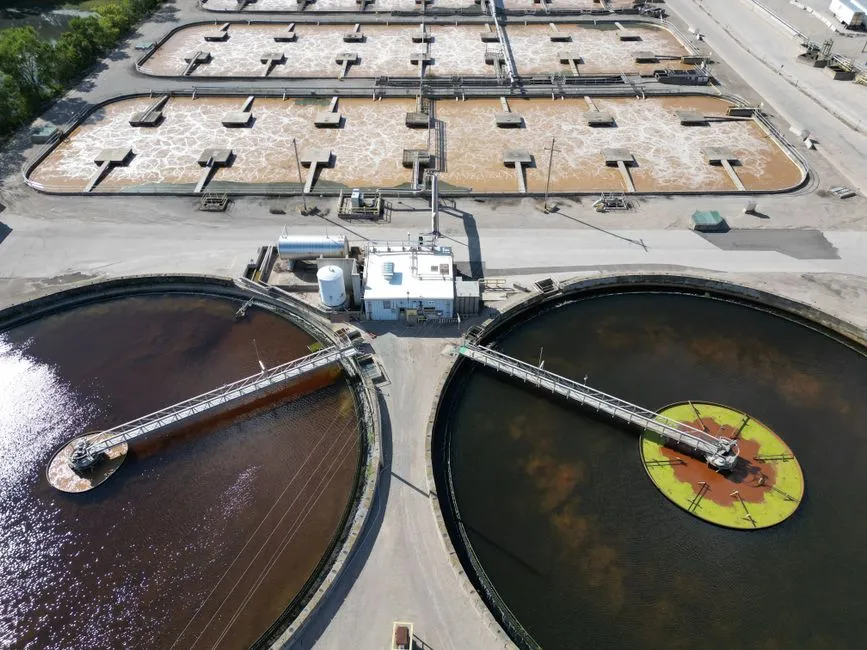
بالنسبة إلى مسؤول المشتريات في بولسبو عام 2026، فإن الجدول أدناه هو الجدول الذي ينبغي تقديمه إلى صانع قرار غير تقني. إنه يعيد ترتيب معاملات تيار هيدروكسيد المعادن الكثيف — لا افتراضات معالجة الأغنية الغنية بالدهون — إلى صفوف يطرحها فعلياً لجنة النفقات الرأسمالية في منطقة المحيط الهادئ. وحدتان مرجعيتان مُعبّأتان ترسّان الجانب التقني: نظام التعويم بالهواء المذاب لعمود التعويم، ومروّق الصفيحات المائلة عالي الكفاءة مع إعادة تدوير الحمأة لخيار الصفيحات المائلة.
| المعامل | DAF | مروّق الصفيحات المائلة | المروّق التقليدي |
|---|---|---|---|
| إزالة المواد الصلبة العالقة على ندف Fe(OH)₃ / Al(OH)₃ الكثيفة | 90–95% (وفقاً للمصدر S5) | 70–90% (محدودة بالكيمياء) | 60–80% |
| مضاعف التكلفة الرأسمالية (الصفيحات المائلة = 1.0×) | 1.5–2.5× (بيانات HydroPureWater الميدانية، 2026) | 1.0× (المعدات فقط) | 0.7–0.9× للمعدات، مع تكلفة مدنية مرتفعة جداً |
| المساحة m² لكل m³/h | 0.2–0.4 | 0.3–0.6 | 5–8 |
| الطاقة kWh/m³ | 8–15 (ضاغط + إعادة) + الكيمياء | محرك الكاشطة 0.1–0.3 + الكيمياء | محرك الكاشطة 0.1–0.3 + الكيمياء |
| الأداء في الطقس البارد (<10°م) | متوسط؛ حجّموا بهامش 10–15% على الإعادة والتشبع | منخفض؛ خطر تجمد في قادوس الحمأة غير المُدفأ | منخفض؛ خطر التجمد نفسه، مع قبو أكبر |
| جفاف الحمأة المُسلَّمة إلى المكبس الترشيحي | طفوة 4–8% جافة | تدفق سفلي 2–5% جافة | تدفق سفلي 2–4% جافة |
| ملف التيار الأنسب | الدهون، الزيوت المستحلبة، الغرويات الدقيقة، الندف الخفيفة | ندف هيدروكسيد كثيفة قابلة للترسيب، بلا زيوت، تدفق مرتفع | المنشآت القديمة، أحواض ترسيب كبيرة جداً |
حكم المواجهة المباشرة: يفوز DAF في التعامل مع الدهون والغرويات الدقيقة والمساحة وجفاف الطفوة؛ ويصمد مروّق الصفيحات المائلة أمام التكلفة الرأسمالية على التيارات الخالية من الدهون عند التدفقات العالية جداً؛ ويخسر المروّق التقليدي في المساحة ونادراً ما يكون الإجابة الصحيحة لعام 2026 على أرض صناعية في Kitsap. وعليه يبدو قسط التكلفة الرأسمالية لـ DAF الأكبر في المواقع الباردة الغنية بالمساحة (حيث يناسب مروّق الصفيحات المائلة بتكلفة منخفضة)، ويبدو الأصغر في الممرات الصناعية الكثيفة في المحيط الهادئ حيث يكلّف كل متر مربع من المبنى مبالغ باهظة.
ربط حدود 40 CFR 437 بأداء DAF مقابل الصفيحات المائلة
لا تفرض 40 CFR 437 استخدام DAF أو المروّق؛ بل تضع حدوداً للمياه المعالجة الخارجة، وبالتالي يمكن لأيٍّ من التقنيتين الامتثال إذا ضُبط حجمها وكيمياؤها بالشكل الصحيح. يربط الجدول أدناه الغلاف الأقصى اليومي للقاعدة بنطاق الأداء الواقعي لكل تقنية على تيار تعديني يتراوح بين 1,500 و3,000 mg/L من Fe(OH)₃، بافتراض أن ضبط pH الأولي وترسيب الهيدروكسيد قد تمّ تنفيذهما مسبقاً.
| الحد الأقصى اليومي بموجب 40 CFR 437 (وفقاً لـ 40 CFR 437.30–437.32) | DAF أساسي + تلميع بالصفيحات المائلة | الصفيحات المائلة أساسية + تلميع بـ DAF | الصفيحات المائلة أساسية فقط | DAAF أساسي فقط |
|---|---|---|---|---|
| المواد الصلبة العالقة <30 mg/L | مريح؛ <15 mg/L اعتيادياً | مريح؛ <20 mg/L اعتيادياً | قابل للتحقيق على ندف كثيفة عند 20–30 m/h | قابل للتحقيق؛ <30 mg/L اعتيادياً |
| إجمالي Pb القابل للاسترداد | يُلبّى الحد عبر الترسيب + التقاط DAF للجسيمات | يُلبّى الحد عبر الترسيب + الصفيحات المائلة | يُلبّى الحد على ندف مُكيَّفة جيداً | يُلبّى الحد عند تكييف البوليمر |
| إجمالي Zn القابل للاسترداد | هامش مريح | هامش مريح | هامش ضيق؛ يتوقف على ضبط pH | هامش ضيق دون تلميع |
| إجمالي Cu القابل للاسترداد | هامش مريح | هامش مريح | هامش ضيق؛ يتوقف على ضبط pH | هامش ضيق دون تلميع |
| إجمالي Fe القابل للاسترداد | مريح؛ Fe(OH)₃ هو الندف المستهدف | مريح | مريح | مريح |
| pH 6.0–9.0 | يُحفظ في مرحلة الترسيب الأولية | يُحفظ في مرحلة الترسيب الأولية | يُحفظ في مرحلة الترسيب الأولية | يُحفظ في مرحلة الترسيب الأولية |
| غلاف الزيوت والشحوم (50–200 mg/L من الصيانة) | يعالجه DAF الأساسي | يعالجه DAF المُلَمِّع | غير معالَج — يحمل فائض المروّق الزيوت | يعالجه DAF الأساسي |
نادراً ما يكون قرار الامتثال DAF أو صفيحات مائلة؛ بل DAF أولاً أو صفيحات مائلة أولاً، مع تلميع الوحدة الأخرى لتأمين هامش إزاء الحدود القصوى اليومية للمعادن. أما بالنسبة للزيوت المستحلبة بتركيز 50–200 mg/L من ورشة الصيانة، فإن وضع DAF في المرحلة الأساسية أمر غير قابل للتفاوض — إذ إن المروّق سيُطلق الزيوت إلى مخرج NPDES ويُخلّ بحدود الزيوت والشحوم قبل أن يصبح غلاف المعادن هو المشكلة.
سيناريوهات بولسبو: أي تقنية تتفوق في كل حالة من حالات النفقات الرأسمالية لعام 2026
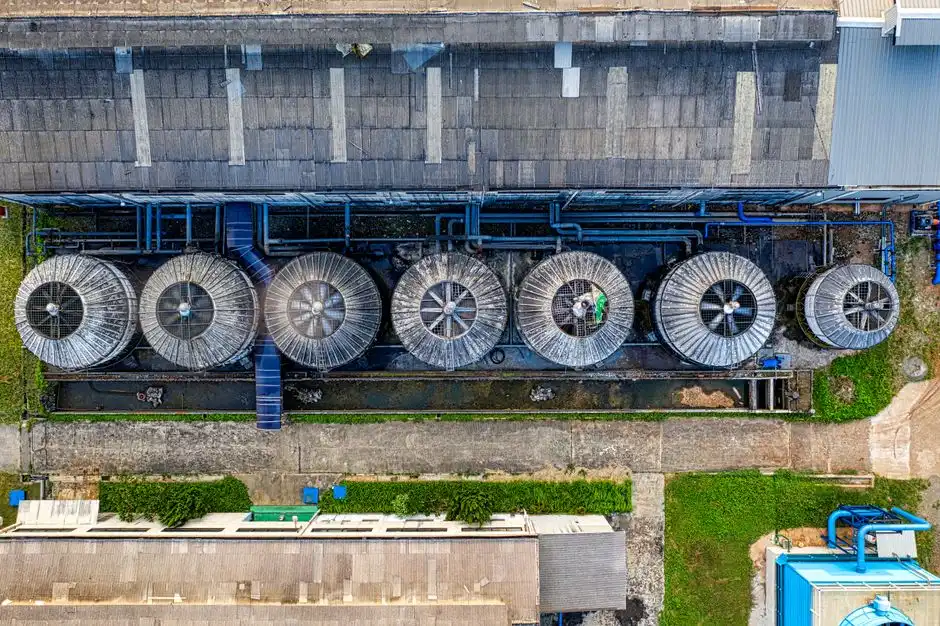
السيناريو 1 — مُركِّز حديد/تاكونيت، 250 m³/h، بلا زيوت. يحمل التيار بين 1,500 و3,000 mg/L من المواد الصلبة العالقة على شكل ندف Fe(OH)₃ إضافةً إلى دقائق المغنيتيت، دون زيوت تطفلية. التدفق والكثافة يُفضّلان مروّق صفيحات مائلة عالي المعدل أساسياً بسرعة تحميل سطحية 30 m/h، تتطلب نحو 8–9 m² من مساحة الصفيحات. ولا يُبرَّر استخدام DAF مُلَمِّعاً إلا إذا بدأت ورشة صيانة أو محطة غسل شاحنات تُسهم باحمال دهني متقطع. المياه الخارجة المتوقعة بموجب 40 CFR 437: مواد صلبة عالقة <30 mg/L قابلة للتحقيق بمروّق الصفيحات المائلة وحده؛ والمعادن تُضبط في خطوة الترسيب الأولية (وفقاً للحدود القصوى اليومية في 40 CFR 437 لكل من Pb وZn وCu وFe). يظهر التأطير المقابل لنظير المناخ الدافئ في دليل 2026 المقارن بين DAF والمروّق لمياه الصرف التعدينية في Huntsville، مع أن عقوبة مناخ Huntsville هي الرطوبة لا شتاء المحيط الهادئ عند 5°م.
السيناريو 2 — مصفح معادن مختلطة مع مستحلبات زيوت القطع، 80 m³/h. مياه الصرف المجمعة للعملية تتراوح بين 100 و300 mg/L من المواد الصلبة العالقة، ورواسب النحاس والزنك، و50–200 mg/L من زيت القطع المستحلب من ورشة الصيانة. وجود DAF أساسياً أمر غير قابل للتفاوض — إذ إن المروّق سيُطلق الزيت المستحلب مباشرةً إلى مخرج NPDES ويُخلّ بغلاف 40 CFR 437 لكل من الزيوت والشحوم والمواد الصلبة العالقة. ويلي ذلك مروّق صفيحات مائلة صغير بوصفه مُلَمِّعاً للمواد الصلبة العالقة المتبقية لتوفير هامش أمام الحدود القصوى اليومية للمعادن. يقع تدفق 80 m³/h في النطاق الأوسط على النموذج القياسي من DAF دون تكاليف هندسة مخصصة. وللمقارنة في حوض أبرد، يغطي دليل DAF مقابل المروّق في South Weber لعام 2026 للتعدين والمعادن كيمياء تيار مماثلة تحت شتاء قاري لا بحري.
السيناريو 3 — تجفيف منجم نحاس بتدفق منخفض (<20 m³/h) في طقس بارد. تصريف حوض تجميع بتدفق 15 m³/h يعمل بشكل متقطع خلال فصل الشتاء. يبدأ ويتوقف skid DAF مدمج خلال دقائق ويستوعب التذبذب في influent؛ أما مروّق صفيحات مائلة داخل قبو غير مُدفأ فيواجه خطر تجمد الحمأة في القادوس ويُعزل بصعوبة. ويؤتي القسط الرأسمالي الأعلى لوحدة DAF ثماره في زمن التشغيل التشغيلي، كما يناسب skid حياً في Kitsap لن يقبل قبو مروّق صفيحات مائلة. يغطي الجانب المتعلق بتجفيف الحمأة من نطاق التكلفة — اختيار المكبس الترشيحي، وجفاف الكيك، وجرعة البوليمر — دليل تكلفة المكبس الترشيحي الحزامي لعام 2026 لمياه الصرف التعدينية.
التكلفة المُركَّبة والمساحة والأعمال المدنية: رؤية المشتريات لعام 2026
النسبة الرئيسية لعام 2026: تتراوح تكلفة DAF الرأسمالية بين 1.5 و2.5× تكلفة مروّق صفيحات مائلة مكافئ عند التدفق ذاته (بيانات HydroPureWater الميدانية، 2026). وتتضاءل هذه النسبة سريعاً بمجرد إضافة الأعمال المدنية والحفر وتكاليف البناء المرتبطة بالمساحة، لأن مروّق الصفيحات المائلة الذي يحتاج 0.3–0.6 m² لكل m³/h أرخص بكثير في إيوائه من مروّق جاذبية تقليدي يحتاج 5–8 m² لكل m³/h، ووحدة DAF التي تحتاج 0.2–0.4 m² لكل m³/h أصغر من ذلك. فعلى تيار 100 m³/h، يعني هذا الفارق بين حوالي 30 m² من مساحة DAF و600 m² من مساحة المروّق التقليدي — والأخيرة نادراً ما تكون قابلة للبناء على أرض صناعية في Kitsap.
تُضيّق التكلفة التشغيلية الهوّة أكثر. تستخدم كلتا التقنيتين مخثرات وبوليمرات؛ ويوفّر مروّق الصفيحات المائلة ما يصل إلى 30% من المخثر عبر إعادة تدوير الحمأة (بيانات HydropureWater P10، 2026)، لكن DAF ينتج طفوة أكثر سماكة بنسبة 4–8% من الجفاف تجفّ بسهولة أكبر في مكبس ترشيح لاحق. ويُعدّ ضاغط الهواء ومضخة التدوير في DAF بنداً حقيقياً — عادة بين 8 و15 kWh لكل m³ معالجة — لكنه تكلفة معروفة قابلة للتوسع، لا طوارئ.
قطعتان من المعدات تجعل نطاق تكلفة 2026 قابلاً للدفاع أمام المشتريات: skuteي جرعات كيميائية أوتوماتيكي بتحكم PLC لإبقاء الجرعة محكمةً في مواجهة تقلبات influent حتى لا يخرج أيٌّ من النظامين من نافذة التصميم، ومكبس ترشيح صفيح وإطار لاحق بحجم يناسب طفوة DAF (4–8% جافة) أو تدفق مروّق الصفيحات المائلة السفلي (2–5% جافة). وكلتاهما تغلق نطاق التكلفة دون استحداث بند طوارئ سيطعن فيه المراجع غير التقني.
قائمة قرار 2026 لمصنع تعدين أو معادن في بولسبو
- اجمعوا بيانات influent الحالية: المواد الصلبة العالقة، الزيوت/الشحوم، نسبة هيدروكسيد Fe/Al/Mn، دقائق السيليس، وتكرار الزيوت التطفلية.
- أكدوا حدود تصريح NPDES مقارنةً بأرقام الحدود القصوى اليومية والمتوسطات الشهرية في 40 CFR 437.30–437.32 للمواد الصلبة العالقة، وإجمالي Pb وZn وCu وFe القابلة للاسترداد، وpH 6.0–9.0.
- حجّموا DAF بهامش 10–15% على مضخة الإعادة ووعاء التشبع لنقاط تشغيل شتاء بولسبو عند 5°م (وفقاً لبيانات HydroPureWater الميدانية، 2026).
- قرّروا تسلسل الأساسي/المُلَمِّع بناءً على وجود الدهون: DAF أساسي + تلميع بالصفيحات المائلة لتيارات زيت القطع أو ورش الصيانة، وصفيحات مائلة أساسية + تلميع بـ DAF لتيارات هيدروكسيد خالية من الدهون.
- ضعوا ميزانية الأعمال المدنية باستخدام نطاقات المساحة 0.2–0.4 m²/m³/h (DAF) أو 0.3–0.6 m²/m³/h (الصفيحات المائلة)، لا نطاق 5–8 m²/m³/h للمروّق التقليدي.
- اقرنوا أياً من التقنيتين بـ skid جرعات كيميائية أوتوماتيكي بتحكم PLC ومكبس ترشيح صفيح وإطار بحجم يناسب نطاق جفاف الطفوة أو التدفق السفلي (4–8% جافة أو 2–5% جافة على التوالي).
الأسئلة المتكررة
هل تفرض 40 CFR 437 استخدام DAF أو المروّق؟
لا. لا تشترط القاعدة صراحةً أي تقنية، لكنها تضع حدوداً قصوى يومية ومتوسطات شهرية للمواد الصلبة العالقة وإجمالي الرصاص والزنك والنحاس والحديد القابلة للاسترداد، إضافةً إلى نطاق pH 6.0–9.0 (وفقاً لـ 40 CFR 437.30–437.32). ويمكن لـ DAF أو مروّق صفيحات مائلة بحجم مناسب، مقترناً بترسيب كيميائي، تلبية هذه الحدود؛ وتُشغّل كثير من المصانع الأمريكية في 2026 DAF أساسياً مع تلميع بالصفيحات المائلة لتأمين الهامش.
هل يمكن تشغيل مروّق صفيحات مائلة على ندف Fe(OH)₃ أو Al(OH)₃ كثيفة في بولسبو؟
نعم — صمّموا بسرعة 20–30 m/h على المساحة المسقطة لحزمة الصفيحات لندف هيدروكسيد نظيفة مُكيَّفة جيداً. انزلوا إلى 10–15 m/h مع دقائق سيليس ناعمة أو ندف منخفضة الكثافة، حيث لم يعد نطاق 20–40 m/h المنشور صالحاً.
هل يمكن تشغيل DAF في شتاء بولسبو البارد؟
نعم، ولكن ينبغي عزل وعاء التشبع وخط الإعادة أو تتبّعهما حرارياً. تتباطأ حركية تكوّن الفقاعات الدقيقة بنحو 20–30% عند 5°م مقارنةً بـ 20°م (بيانات HydroPureWater الميدانية، 2026)، لذا يُستحسن إضافة هامش تحجيم 10–15% على مضخة الإعادة وحجم التشبع في المصانع التي تعمل شتاءً.
هل يمكن لمُركِّز تاكونيت استخدام مروّق صفيحات مائلة بوصفه ترويقاً أساسياً؟
نعم — يُشغّل كثير من مُركِّزات التاكونيت الصفيحات المائلة فقط بوصفها أساسيةً على تيارات خالية من الدهون. أضيفوا خطوة تلميع بـ DAF فقط إذا بدأت الغرويات الدقيقة تتسرب، أو إذا أضاف تصريف ورشة صيانة زيتاً متقطعاً لا تستطيع الصفيحات المائلة التقاطه.
ما مدى صغر حجم DAF مقارنةً بالمروّق التقليدي؟
وحدة DAF ببصمة 0.2–0.4 m² لكل m³/h تُساوي تقريباً عُشرَ مساحة المروّق التقليدي بالجاذبية الذي يحتاج 5–8 m² لكل m³/h، ونحو نصف مساحة مروّق الصفيحات المائلة عند التدفق ذاته. فعلى تيار 100 m³/h، يعني هذا الفارق بين حوالي 30 m² و600 m² من مساحة المروّق (بيانات HydroPureWater الميدانية، 2026).