لماذا يُعد قرار DAF مقابل المروّق مهمًا لمصانع المواد الكيميائية في بيشوب عام 2026
لمصنّعي المواد الكيميائية المتخصصة ومواد معالجة المياه في بيشوب، كاليفورنيا، لم يعد الاختيار بين نظام التعويم بالهواء المذاب (DAF) والمروّق سؤالًا عامًا للمعالجة الأولية — بل هو قرار امتثال وتدفق نقدي تحدده خطة حوض لاهونتان RWQCB، واقتصاديات التخلص من النفايات المنقولة، وارتفاع تكلفة الطاقة في مقاطعة إنيو. تقع بيشوب ضمن منطقة لاهونتان (المنطقة 6)، حيث تحظر معظم الأحواض الفرعية تصريف مياه الصرف الصناعي المعالج سطحيًا؛ ولذلك فإن البدائل العملية للعديد من المصانع الكيميائية هي التخلص بالنقل، أو التبخير بدون تصريف سائل (ZLD)، أو التطبيق الأرضي بموجب أمر من المجلس. كل واحدة من هذه النهايات تُسعّر بحسب الحجم وحمل المواد الصلبة، فكل نقطة مئوية من الإزالة الأولية تُترجم مباشرةً إلى خفض بالدولار سنويًا في تكاليف النقل.
حد الامتثال لعام 2026 تحدده المعايير التصنيفية للمياه المعالجة الخارجة الصادرة عن وكالة حماية البيئة — وتحديدًا الباب 40 من اللائحة الفيدرالية 414 (تصنيع المواد الكيميائية غير العضوية) والباب 419 (تكرير البترول) — وهي تُقيّد بارامترات مثل إجمالي المواد الصلبة العالقة (TSS)، والزيوت والشحوم، والمعادن حتى في غياب أي تصريف سطحي، لأن سجلات النقل وكيمياء محلول ملح ZLD تُراجَع مقابل تلك الحدود (وفقًا لـ 40 CFR 414/419 لدى وكالة حماية البيئة، بصيغتها المحدّثة حتى عام 2025). إضافةً إلى ذلك، يستحق الاتجاه في 2026 لفت الانتباه: تتشدد الرقابة على PFAS وTDS حتى في المصانع غير المنتجة لها بسبب التلوث التبادلي عبر الوسائط من مياه مدينة بيشوب الخام الواردة، وهو ما يصبح مسألة قابلة للدفاع أمام تفتيشات لاهونتان. تقدم هذه المقالة إطارًا للقرار مكيّفًا مع تركيب المجرى الكيميائي والموقع الجغرافي للصحراء المرتفعة — لا مقارنات عامة بين الأغذية والتعدين كما في غيرها من المصادر.
كيف يعمل DAF والمروّق فعلًا — ولماذا تُعدّ كيمياء المياه حاسمة
يُشبّع نظام DAF تيارًا جانبيًا من المياه الخارجة المروّقة بالهواء عند ضغط 4–6 بار داخل وعاء ضغطي، ثم يُطلق هذا الضغط عند مدخل خزان التعويم. يتشكّل الهواء المُحرَّر على شكل فقاعات دقيقة يتراوح حجمها بين 10–100 ميكرومتر تلتصق بقطرات الزيت، والغرويات الكارهة للماء، وجسيمات التندف، فتخفض كثافتها الفعلية وترفعها إلى السطح خلال 3–5 دقائق، حيث يزيلها كاشطة دوّارة. هذه الآلية ميكانيكية وليست جاذبية، ولهذا يُعدّ DAF الخيار التقني الأمثل حين تكون الجسيمات صغيرة أو مستحلّة أو مثبتة بالمواد الخافضة للتوتر السطحي.
أما المروّق فيعتمد على الجاذبية: يدخل التغذية حوضًا منخفض الاضطراب، فتستقر الجسيمات الكثيفة على شكل طبقة حمأة في القاع، وتفيض المياه المروقّة العلوية من قناة محيطية. يتراوح زمن المكوث الهيدروليكي عادة بين 1.5–3 ساعات، ويتأثر الأداء بشدة بكثافة الجسيمات وتوزيع حجمها وقابلية ترسّب الجزء الغروي. حين يكون الملوّث المستهدف هيدروكسيد فلزي حر الترسّب أو ملاط غير عضوي عالي الكثافة، يتفوّق المروّق الجاذبي على DAF لكل دولار من تكلفة المعالجة.
معظم مصانع المواد الكيميائية في بيشوب تعمل وفق تكوين هجين: وحدة DAF كإزالة أولية للزيت الحر والمستحلب، والمواد الخافضة للتوتر السطحي، والرواسب الطافية، يعقبها مروّق لاميليا يُكثّف الحمأة الناتجة والمُترسّبة كيميائيًا قبل خطوة التجفيف بمكبس الترشيح بلوحات وإطار. المعالجة الكيميائية تدفع أداء كلتا الوحدتين — الجرعات النموذجية لمجارف الصرف للمواد الكيميائية المتخصصة هي 30–80 mg/L من كلوريد البولي ألومنيوم (PAC) كمُخثِّر و2–8 mg/L من بوليمر كاتيوني كمساعد تندف، مع اختبار جَرّ لكل دفعة لأن الجرعة الزائدة من البوليمر في المروّق تُعيد تثبيت الغرويات وتُسقط الأداء. يدمج نظام التعويم بالهواء المذاب مرحلتي التشبع وإعادة التدوير والكشط ضمن وحدة واحدة بحجم يخدم تدفقات 5–50 m³/h النموذجية لعمليات التشغيل الدفعي للمواد الكيميائية في بيشوب.
ملاءمة الملوثات الكيميائية: نظرة سريعة على DAF مقابل المروّق
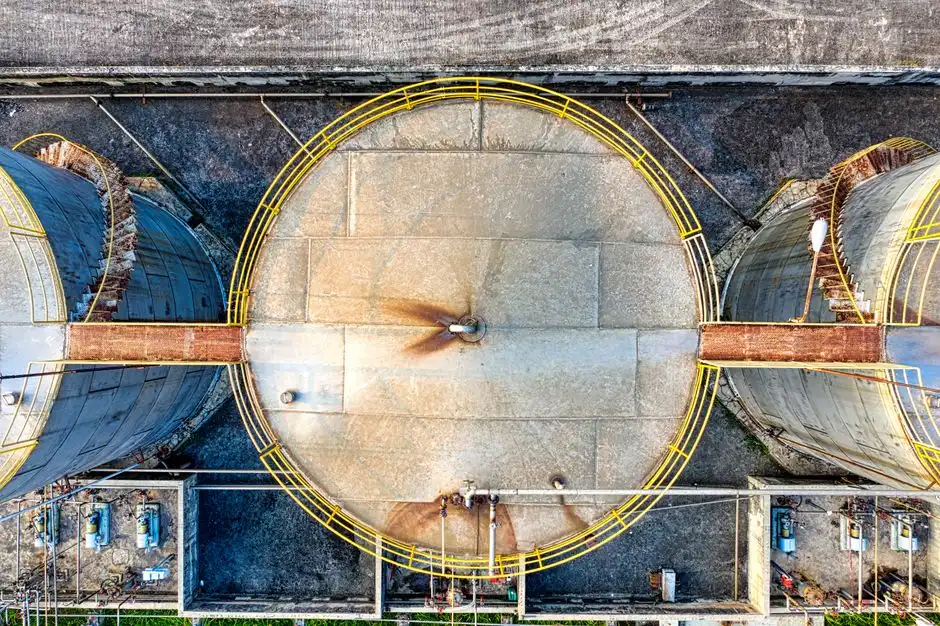
قبل الدخول إلى جداول البارامترات، إليكم مسحًا استبعاديًا: بعض كيميائيات مياه الصرف تجعل إحدى التقنيتين خيارًا غير ملائم بصرف النظر عن التكلفة. تُقارن الجدول التالي بين فئات الملوثات الرئيسية التي قد تواجهها مصانع المواد الكيميائية والتقنية التي تتعامل مع كل منها بكفاءة.
| ملف الملوّث / المجرى | التقنية الأفضل | السبب |
|---|---|---|
| زيوت مستحلّة، دهون، مواد خافضة للتوتر السطحي (FOG > 50 mg/L) | DAF | تلتصق الفقاعات بالاستحلابات المُثبّتة وتسترجعها؛ أما المروّقات فلا تكسر طبقة الفاعل بالسطح |
| رواسب هيدروكسيد فلزات ثقيلة (Cu، Ni، Cr، Fe مُعدَّلة الأس الهيدروجيني) | المروّق (أو DAF ← مروّق) | التندف الحر الكثيف الترسّب يستقر بسرعة؛ يحمل طافي DAF كمية ماء كبيرة تُثقل مكبس الترشيح اللاحق |
| محلول ملحي عالي TDS (> 30,000 mg/L) | لا تناسب أي منهما وحدها؛ DAF معالجة أولية فقط | يزيل DAF الدهون والزيوت المحمولة قبل التبلور/التناضح العكسي؛ المروّق غير فعّال فوق ~5% TDS |
| منظفات محمّلة بالمواد الفاعلة بالسطح، وسائط منظفات | DAF | تثبّت المواد الفاعلة بالسطح مستحلبات زيت في الماء تُعطّل الترسّب الجاذبي |
| مجارف محمّلة بالمذيبات (قليلة الامتزاج بالماء) | DAF | تُستعاد الطور الطافي على السطح؛ المروّق يواجه صعوبة مع الطبقات العضوية منخفضة الكثافة |
| أحماض / قلويات مستهلكة (pH < 2 أو > 12) | كلاهما — فقط بعد المعادلة | يتحمل DAF نطاق pH من 4 إلى 10 في مرحلة واحدة؛ ويتحمل المروّق نطاقًا مماثلًا لكنه أكثر حساسية لتسرّب الفلزات المذابة |
| دفعات مواد تخثير معالجة المياه (PAC، فيريك، بوليمر) | المروّق (لاميليا) | تندف المُخثِّر المتبقي يستقر بسهولة؛ تصميم لاميليا يضاعف مساحة الترسّب الفعّالة ضمن مساحة صغيرة |
لمصنع في بيشوب يُشغّل مزيجًا من هذه المجاري — مثل خلّاط مواد معالجة المياه الذي سيتعامل مع صرف تنظيف غني بالمواد الفاعلة بالسطح وماء شطف محمّل بالمعادن الثقيلة — يوجّه الجدول مباشرةً نحو الحل الهجين: DAF أولاً، ثم خزان الترسيب عالي الكفاءة من HydropureWater (مروّق لاميليا) لتندف الفلزات المذابة.
مقارنة DAF بالمروّق: بارامترات هندسية رئيسية لعام 2026
هذا القسم يستحق الحفظ والإرسال إلى فريق المشتريات. الأرقام أدناه مثبّتة بمواصفات الموردين وبيانات ميدانية لعام 2026، لا متوسطات أمريكية عامة. وحين يكون الرقم مرتبطًا بمعدات محددة (مثل معدل التحميل الهيدروليكي لمروّق لاميليا)، فهو يعكس بارامترات التصميم المنشورة لخزانات الترسيب ذات الألواح المائلة بزاوية 55–60°.
| البارامتر | نظام DAF | مروّق لاميليا / تقليدي |
|---|---|---|
| المساحة (لكل 50 m³/h) | ~14 m² (وحدة على هيكل); مقطورة متنقلة ~47'-6" x 8'-6" (وفقًا لمواصفات WesTech للـ DAF المتنقل) | ~30–60 m² (لاميليا); 120–200 m² (دائري تقليدي) |
| معدل التحميل الهيدروليكي | 5–25 m³/m²·h | 20–40 m³/m²·h (لاميليا); 1–3 m³/m²·h (تقليدي) |
| زمن المكوث الهيدروليكي (HRT) | 3–5 دقائق منطقة التعويم; ~20 دقيقة إجمالي | 1.5–3 ساعات |
| إزالة الدهون/الزيوت والشحوم | 90–95% على المجاري المستحلّة | 60–75% على المجاري المكافئة; أضعف مع المستحلّات المُثبّتة |
| إزالة TSS | 80–92% | 85–95% على المواد الصلبة القابلة للترسّب; 90% موثّقة على حالة تعدين مماثلة (وفقًا لدليل Ecologix 2026) |
| تركيز الحمأة (خارج الوحدة) | 3–5% مواد صلبة جافة (طافي) | 1–3% مواد صلبة جافة (تيار سفلي) |
| طلب الهواء | نسبة إعادة التدوير 20–50% من التدفق; ضاغط عند 4–6 بار | لا يوجد |
| طلب البوليمر / المُخثِّر | 5–30 mg/L بوليمر; 30–80 mg/L PAC | 2–10 mg/L بوليمر; 20–60 mg/L PAC (الجرعة الزائدة تُعيد التثبيت) |
| CAPEX، وحدة 50 m³/h على هيكل (دولار 2026) | $120k–$220k على هيكل; تركيب دائم ~$350k | $80k–$150k لاميليا; $150k–$280k تقليدي شامل الأعمال المدنية |
| OPEX (لكل m³ معالجة) | $0.08–$0.18 (بوليمر + هواء مضغوط) | $0.03–$0.07 (نقل الحمأة يهيمن) |
| تأقلم الشتاء (ليالي بيشوب –10°م) | خزان مُغلَّق; تتبع حراري للمُشبِّع | قناة محيطية بتتبع حراري + حوض مُغطَّى |
صفا المساحة وتركيز الحمأة هما اللذان يحسمان القرار عادةً في موقع بيشوب. طافي DAF عند 4–5% مواد صلبة جافة يخفض حجم التجفيف اللاحق بنسبة 30–40% مقارنةً بالتيار السفلي للمروّق عند 1–2% مواد صلبة جافة، وهو الرافعة الأكبر في تكلفة النقل. دقة جرعات البوليمر هي الثانية — يضمن نظام الجرعات الكيميائية الآلي من HydropureWater انحرافًا لا يتجاوز ±5% من نقطة الضبط لـ PAC والبوليمر الكاتيوني، وهو أمر جوهري لأن جرعة زائدة بنسبة 10% في مروّق لاميليا تُعيد تثبيت الغرويات التي تحاول ترسيبها. لمعالجة المواد الصلبة في المرحلة اللاحقة، ينقل مكبس الترشيح بلوحات وإطار طافي DAF من 4% إلى 30–35% مواد صلبة في الكيك والتيار السفلي للمروّق من 1.5% إلى 28–32% — وكلاهما خارج نطاق السوائل الحرة لوكالة حماية البيئة للسجلات.
عوامل الموقع والامتثال الخاصة ببيشوب
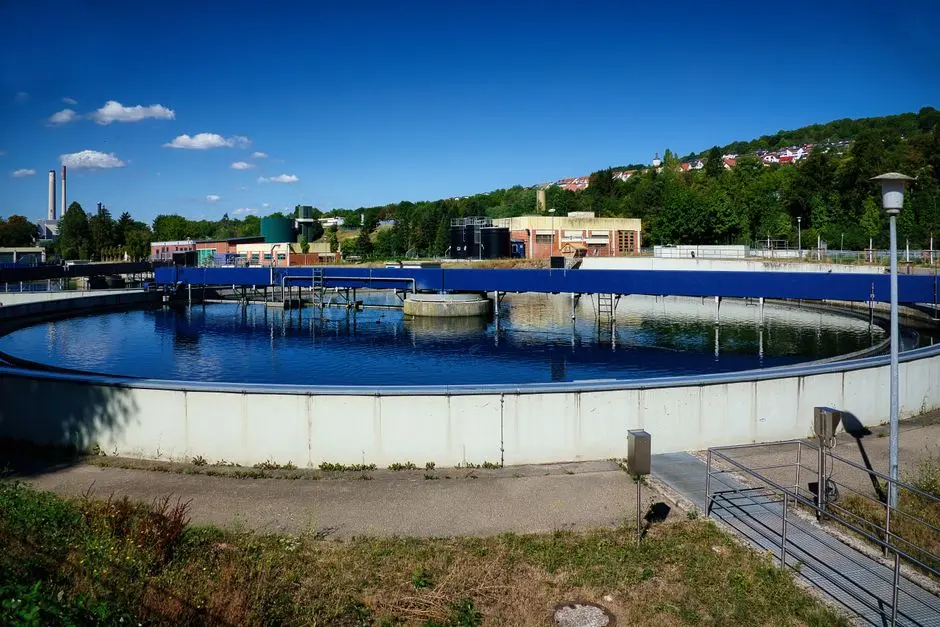
تفشل التوجيهات العامة لمقارنة DAF بالمروّق في بيشوب لأن غلاف الموقع ضيق بشكل غير اعتيادي. أربعة قيود تهيمن على قرار الموقع لعام 2026:
1. خطة حوض لاهونتان ومسار التصريف. يُحظر تصريف مياه الصرف الكيميائي المعالج سطحيًا في معظم الأحواض الفرعية بلاهونتان دون أمر مجلس خاص بالموقع. معظم مصانع بيشوب توجّه المياه إلى التخلص بالنقل (Clean Harbors أو ما يعادله)، أو التبخير في الموقع (حيث تتوفر السعة)، أو خط تبلور ZLD. ولأن سجلات النقل تُسعّر لكل غالون ولكل نسبة مواد صلبة، فإن خطوط المعالجة التي تقلل حجم السائل وتعظم جفاف الكيك هي المُفضَّلة.
2. غلاف المناخ. تنخفض درجات حرارة تصميم الشتاء في بيشوب إلى نحو –10°م تقريبًا (وفقًا لمعدلات المناخ الطبيعية لـ NOAA 1991–2020، مُلخَّصة لمقاطعة إنيو في توجيهات Cal-EMA لعام 2025). خزانات DAF عادةً وحدات فولاذية مُغلَّقة، يتأقلم الشتاء فيها أنظف من قناة المروّق المفتوحة؛ أما المروّق الدائري التقليدي في بيشوب فيحتاج عادةً إلى غلاف جزئي أو قناة بتتبع حراري لمنع جليد السطح الذي يعيق الكشط والفيضان.
3. ندرة المياه وضغوط إعادة الاستخدام. تشجع خطة حوض لاهونتان على إعادة استخدام المياه الصناعية حيثما أمكن. يبلغ عكر رائق DAF عادةً 10–30 NTU بعد تكثيف البوليمر، وهو أسهل في الصقل عبر الترشيح متعدد الوسائط والتناضح العكسي من رائق المروّق (الذي يبلغ غالبًا 30–80 NTU مع تسرّب موسمي). لمصنع مواد معالجة مياه تُعدّ مياه العملية جزءًا من سلسلة المنتج، يُعدّ هذا الفارق جوهريًا.
4. تكلفة الطاقة. تُعدّ تعريفات القطاعين التجاري والصناعي في مقاطعة إنيو من بين أعلى شرائح كاليفورنيا، بمعدلات 2026 المنشورة عادةً بين $0.18–$0.25/kWh (وفقًا لجداول Southern California Edison الصناعية، 2026-01). يضيف خط ضاغط الهواء ومضخة إعادة التدوير في DAF من 8–14 kW لكل 50 m³/h؛ بينما يضيف مروّق لاميليا أقل من 2 kW لنفس التدفق. وحيثما لا تهيمن الدهون والزيوت، فإن ذلك يميل بمصلحة المروّق.
تكلفة الأراضي في المدن الصناعية في بيشوب معتدلة، لكن التوسع مقيد بتراكب المياه الجوفية في لاهونتان والخطة العامة للمدينة لعام 2020. وحدة DAF مدمجة على هيكل (أقل من 20 m²) تناسب مساحات التعديل التحديثي التي لا يستوعبها مروّق دائري تقليدي بقطر 30 م.
تدقيق واقعي للتكلفة وإجمالي تكلفة الملكية لعام 2026
ترجمة الهندسة إلى دولارات: ترتيب تقريبي لحجم CAPEX وOPEX لخط معالجة بسعة 50 m³/h (1,200 m³/day) لمصنع مواد كيميائية بالدولار الأمريكي لعام 2026. الأرقام مثبّتة بعروض موردي كاليفورنيا وبيانات ميدانية، لا متوسطات وطنية عامة.
CAPEX (وحدة على هيكل أو تسليم مفتاح، 50 m³/h، دولار 2026):
- نظام DAF على هيكل: $120,000–$220,000 (المعدات فقط); $280,000–$420,000 مُركَّبًا شامل الأعمال المدنية والأنابيب والكهرباء.
- حزمة مروّق لاميليا: $80,000–$150,000 (معدات); $180,000–$260,000 مُركَّبًا.
- مروّق دائري تقليدي: $150,000–$280,000 معدات; $350,000–$600,000 مُركَّبًا بمجرد إدراج الأعمال المدنية والحفر.
- خط هجين DAF + مروّق لاميليا: $300,000–$500,000 مُركَّبًا، نموذجي لمصنع بيشوب للمواد الكيميائية بدفعات 5–25 m³/batch مع ذروات في الدهون والزيوت.
OPEX (لكل m³ معالجة، دولار 2026): DAF من $0.08–$0.18 (بوليمر، هواء مضغوط، 1–2 kWh/m³ كهرباء بأسعار إنيو). مروّق لاميليا من $0.03–$0.07 (في معظمها بوليمر، تشغيل الكاشطة، يقابله تعويض نقل الحمأة). أكبر بند متغير منفرد هو التخلص بالنقل — بسجلات النفايات الخطرة في كاليفورنيا لعام 2026 التي تتراوح بين $0.45–$1.20 للغالون بحسب تصنيف RCRA (وفقًا لمسح Cal-EPA لتكاليف التخلص خارج الموقع 2026-01)، يُعدّ خفض الحجم بنسبة 30% في المنبع الرافعة الأكثر دفاعية في إجمالي تكلفة الملكية.
وفورات التخلص من الحمأة: طافي DAF عند 4–5% مواد صلبة جافة يخفض وتيرة النقل بنحو 30–40% مقارنةً بالتيار السفلي للمروّق عند 1–2% مواد صلبة جافة، لأن كل ناقلة منقولة تحمل مواد صلبة مُستَوْلَفة أكثر لكل غالون سائل. لمصنع يولّد 50 m³/day حمأة عند 1.5% مواد صلبة جافة (مروّق) مقابل 4% مواد صلبة جافة (طافي DAF)، يحقق سيناريو DAF وفرًا يقارب 4,200 غالون/سنة من السائل المنقول بتكلفة تجنُّب $0.60/gallon — أي نحو $2,500/year قبل تكلفة البوليمر. وعند الأحجام الأساسية الأعلى تتسع الوفورات خطيًا.
تأجير DAF متنقل خيار لعام 2026 يستحق التسعير للمصانع ذات أحمال الذروة المتقطعة، أو أعطال المروّق والصيانة، أو مشاريع إزالة التصنيف وفق RCRA. يمكن تسليم الوحدات المتنقلة وتشغيلها خلال يوم واحد (وفقًا لمواصفات WesTech للـ DAF المتنقل، 2026)، ويتراوح إيجار 30 يومًا عادة بين $18,000–$35,000 شاملًا كل شيء — وهو أرخص غالبًا من شهر واحد من النقل في حالات الطوارئ.
إطار الاسترداد: حين تتجاوز نسبة الدهون والزيوت أو الأحمال المستحلّة 20% من حمل التغذية، فإن علاوة CAPEX لـ DAF البالغة $80,000–$120,000 مقارنة بالمروّق تسترد عادة في 18–36 شهرًا من خلال وفورات البوليمر والنقل وZLD مجتمعة. وعند نسبة دهون وزيوت أقل من 10%، يكسب المروّق في إجمالي تكلفة الملكية.
كيف تختار: إطار قرار لعام 2026 لمصانع المواد الكيميائية
يتبع الاختيار المدافع عنه لعام 2026 لمصنع مواد كيميائية في بيشوب ست خطوات. المخرج هو أساس تصميم موثّق يصمد أمام تفتيش لاهونتان وتدقيق المشتريات.
الخطوة 1 — توصيف مياه الصرف. نفّذ حملة عينات مُركَّبة لمدة 7 أيام تغطي حملتي إنتاج على الأقل ودورة تنظيف في المكان واحدة. قِس FOG (EPA 1664 HEM)، وTSS، وpH، وTDS، والتوصيل الكهربائي النوعي، والمعادن الكلية (Cu، Ni، Cr، Fe، Zn)، والمادة الفاعلة بالسطح الأنيونية (MBAS). التوصيف غير قابل للتفاوض: قيمتا FOG وTDS الخاصتان بالموقع تدفعان كل رقم لاحق.
الخطوة 2 — مواءمة الملوّث المهيمن مع التقنية. استخدم جدول الملاءمة في القسم 3. إذا هيمنت FOG والمواد الفاعلة بالسطح، استبعد المروّق كمعالجة أولية. وإذا هيمنت هيدروكسيدات الفلزات القابلة للترسّب، استبعد DAF كوحدة منفردة.
الخطوة 3 — تطبيق مرشحات الموقع. المساحة، وتكلفة الطاقة (إنيو $0.18–$0.25/kWh)، ومتطلبات غلاف المناخ، ومسار التصريف (نقل مقابل ZLD مقابل تصريف سطحي بموجب أمر مجلس). مساحة DAF المُغلَّف البالغة 20 m² تتفوّق على مروّق مفتوح بـ 150 m² في معظم التعديلات التحديثية في بيشوب.
الخطوة 4 — اختيار التكوين. إذا هيمن FOG والحمل المستحلب، حدّد DAF. وإذا هيمنت المواد الصلبة القابلة للترسّب الثقيلة، حدّد مروّق لاميليا. وإذا تواجد كلاهما (الحالة النموذجية في بيشوب لمخلوط مواد كيميائية متخصصة أو مواد معالجة المياه)، حدّد هجين DAF + مروّق لاميليا مع توجيه الحمأة المُعالَجة بالبوليمر إلى مكبس الترشيح بلوحات وإطار للتجفيف حتى 30%+ مواد صلبة في الكيك قبل سجل النقل.
الخطوة 5 — اختبار تجريبي أو اختبار جَرّ قبل الالتزام. نفّذ مشروعًا تجريبيًا في الموقع لمدة 7–14 يومًا أو برنامج اختبار جَرّ متوازٍ. تتيح وحدات التجريب التي يوفرها المورد (نظام التعويم بالهواء المذاب يمكن توفيره في تكوين تجريبي مؤقت للنشر على مقطورة) تأكيد التحميل الهيدروليكي، وجرعة البوليمر، وصلابة الطافي تحت تقلبات المصنع الفعلية قبل إصدار أمر شراء.
الخطوة 6 — توثيق أساس التصميم. احتفظ بمصفوفة القرار وبيانات اختبار الجَرّ ونتائج المشروع التجريبي في ملف SPCC أو SWPPP الخاص بالمصنع. يتوقع مفتشو لاهونتان أن يروا اختيار التقنية مُبرَّرًا مقابل المعيار التصنيفي (40 CFR 414 أو 419) وحظر التصريف في خطة الحوض، لا مقابل كتيبات الموردين.
الأسئلة الشائعة
هل DAF أم المروّق أفضل لمصنع مواد كيميائية في بيشوب؟
بالنسبة للزيوت المستحلّة، والمواد الفاعلة بالسطح، والمواد الصلبة الغروية الخفيفة، يكسب DAF — إذ تصل معدلات الإزالة المنشورة إلى 90–95% من الزيوت والشحوم مقابل 60–75% للمروّقات على المجاري المكافئة (وفقًا لبيانات حالات الصناعة لعام 2026، Ecologix). أما بالنسبة لملاط هيدروكسيد الفلزات الحر الحر الكثيف القابل للترسّب، فيكسب المروّق في التكلفة. معظم مصانع المواد الكيميائية في بيشوب تعمل وفق نظام هجين: DAF لإزالة FOG/الاستحلاب الأولية، ومروّق لاميليا للتكثيف، ومكبس ترشيح بلوحات وإطار للتجفيف. نسبتا الـ 95% / 70% لـ FOG المُشار إليهما في دراسات صناعة الأغذية تترجمان مباشرةً إلى مجاري المواد الفاعلة بالسطح الكيميائية لأن آلية زعزعة الاستقرار (الربط البولمري) واحدة.
ما التصاريح التي تنطبق على مياه صرف المواد الكيميائية في بيشوب، كاليفورنيا؟
تعمل مصانع بيشوب تحت إشراف Lahontan RWQCB (المنطقة 6)، حيث تحظر خطة حوض لاهونتان معظم التصريفات السطحية لمياه الصرف الصناعي المعالج. يُبنى الامتثال حول الحدود التصنيفية لـ 40 CFR 414 (المواد الكيميائية غير العضوية) و40 CFR 419 (تكرير البترول) لوكالة حماية البيئة، تُنفَّذ من خلال متطلبات تصريف النفايات (WDRs) أو أوامر المجلس. أداء المعالجة الأولية يدفع غلاف التصريح وتصنيف سجل النقل؛ ففشل فصل الزيت/الماء يمكن أن ينقل نفاية غير خطرة إلى تصنيف خطرة وفق RCRA، فيضاعف تكلفة التخلص 3–10 أضعاف.
ما مدى CAPEX لعام 2026 لـ DAF أو مروّق بسعة 50 m³/h؟
لوحدة بسعة 50 m³/h (1,200 m³/day على هيكل بالدولار الأمريكي لعام 2026: DAF على هيكل $120,000–$220,000 (معدات فقط); مروّق لاميليا $80,000–$150,000; مروّق دائري تقليدي $150,000–$280,000. تُضيف التكاليف تسليم المفتاح المُركَّب 60–120% للأعمال المدنية والأنابيب والكهرباء والأجهزة. خطوط DAF + مروّق لاميليا الهجينة لمصانع بيشوب للمواد الكيميائية المتخصصة تتراوح عادة بين $300,000–$500,000 مُركَّبة. يجب نمذجة طاقة إنيو عند $0.18–$0.25/kWh في OPEX، لا افتراضها بمتوسط كاليفورنيا.
هل يمكن استخدام DAF ومروّق معًا؟
نعم — خط DAF + مروّق لاميليا الهجين هو النمط المهيمن لعام 2026 لمجارف المواد الكيميائية التي تجمع بين ملوثات مستحلّة وقابلة للترسّب. يزيل DAF الزيت الحر والمستحلب، والمواد الفاعلة بالسطح، والرواسب الطافية؛ ويكثّف مروّق لاميليا طافي DAF المُفكَّك، وهيدروكسيدات الفلزات المُعدَّلة الأس الهيدروجيني، وتندف PAC. تستوفي المياه الخارجة المجمعة عادةً حدود TSS والزيوت والشحوم الواردة في 40 CFR 414/419 قبل الترشيح اللاحق أو التناضح العكسي أو التخلص بالنقل. يكثّف مكبس الترشيح بلوحات وإطار لاحقًا لمروّق لاميليا الحمأة المجمعة إلى 30–35% كيك لسجل خارج الموقع.
هل ينبغي لمصنع مواد كيميائية في بيشوب تأجير DAF متنقل أم شراء نظام دائم؟
يأخذ تأجير DAF المتنقل ثلاثة حالات استخدام: (1) أعطال أو إعادة بناء المروّق لمدة 2–8 أسابيع; (2) حملات الذروة (مثل الطلب الموسمي على مواد معالجة المياه) التي تتجاوز السعة الدائمة; (3) دراسات إزالة التصنيف وفق RCRA أو دراسات قابلية المعالجة حيث يجب أن تكون بيانات المشروع التجريبي قابلة للدفاع. يمكن تشغيل الوحدات المتنقلة في يوم واحد (وفقًا لمواصفات نشر الموردين لعام 2026) ويتراوح إيجارها بين $18,000–$35,000 شهريًا شاملًا كل شيء. للتدفقات المستمرة فوق 25 m³/h مع FOG أعلى من 20% من حمل التغذية، يسترد DAF الدائم عادةً علاوة CAPEX في 18–36 شهرًا وهو الخيار الصحيح. وللتدفقات أقل من 10 m³/h مع FOG أقل من 10%، يُعدّ مروّق لاميليا دائم الخيار الأقل في إجمالي تكلفة الملكية. لمقارنة أعمق عبر المناطق، اطّلع على مقارنة مياه صرف المواد الكيميائية في ليكلاند، فلوريدا ومقارنة مياه صرف المواد الكيميائية في غرابيل، إنديانا; ولمجارف المواد الخافضة للتوتر السطحي تحديدًا، يغطي دليل هندسة MBR لمياه صرف المنظفات الخطوة البيولوجية بعد DAF.