لماذا يختلف قرار مصانع البلاستيك والمطاط في فرونت رويال في عام 2026
يُجعلان معياران فيدراليان قطاعيّان خيار "اعتمدوا المروّق فحسب" خيارًا غير آمن كافتراضي لعام 2026 لأي منشأة في فرونت رويال. يحدد 40 CFR 433 (تجهيز المطاط) حدًا أقصى يوميًا قدره 39 mg/L ومتوسطًا شهريًا قدره 26 mg/L للزيوت والشحوم بموجب 40 CFR 433.16، بينما يفرض 40 CFR 463 (قولبة وتشكيل البلاستيك) نطاقًا شهريًا متوسطًا للزيوت والشحوم يتراوح بين 30–60 mg/L وفقًا لـ 40 CFR 463.25. يصل أداء المروّق الرقائقي التقليدي إلى 60–75% من إزالة الدهون والزيوت (بيانات ميدانية لشركة HydropureWater لعام 2025)، لذلك فإنه عند تغذية تغذية مركب مطاطي خام تتراوح بين 300–500 mg/L يترك في الطفح تركيزًا قدره 75–125 mg/L، أي ما يوازي ثلاثة إلى أربعة أضعاف سقف 40 CFR 433.16 قبل أي تنقية بيولوجية لاحقة.
يمر ضغط الامتثال في عام 2026 عبر دورة تجديد التصريح العام متعدد القطاعات (MSGP) التابع لوكالة EPA، والذي يشدد رصد المعايير المرجعية لرموز SIC 2821 (مواد البلاستيك)، و3061 (منتجات المطاط الميكانيكية)، و3081 (أغشية وصفائح البلاستيك غير المدعومة)، و3089 (منتجات البلاستيك، غير المصنفة في مكان آخر) — وهي الرموز الأربعة التي تطابق مستأجري الحديقة الصناعية في فرونت رويال-وارن كاونتي، وتجمّع مُعيد تدوير البوليمرات على طول الطريقين I-66 وRoute 340. تمتلك دائرة Virginia DEQ صلاحية التفويض المسبق لمحطة معالجة فرونت رويال-وارن كاونتي، ويتبع دليلها المحلي النمط الموثق لـ MSDGC: الامتثال للمتوسط الشهري، والرسوم الإضافية على الأحمال الزائدة، وأخذ العينات المفاجئ بعد أي تجاوز فردي (وفقًا لدليل الامتثال المسبق الإقليمي لعام 2026 للمصانع الكيميائية، 2025).
ثلاثة أرقام الآن تتحكم في النفقات التشغيلية. ارتفعت rates نقل الحمأة الإقليمية بنسبة 8–12% على أساس سنوي حتى عام 2025 (وفقًا لـ بيانات تكاليف التخلص من الحمأة لعام 2026). يخرج نظام التعويم بالهواء المذاب من المنشأة بنسبة مواد صلبة طافية 3–5% مقارنةً بـ 0.5–2% لتدفق سفلي من المروّق الرقائقي من HydropureWater — أي فجوة تركيز تتراوح بين 3 و4 أضعاف تنعكس مباشرة على زمن دورة مكبس الترشيح، وعدد شاحنات النقل، ورسوم الطمر في المكبات. يضيف وادي شيناندواه حساسية شتوية: تنخفض حرارة المياه الواردة في يناير/فبراير إلى 16 °C مقارنة بنقطة التصميم البالغة 25 °C، مما يرفع لزوجة المياه بنسبة 20–30%، ويُبطئ صعود الفقاعات، ويستلزم إضافة 5–10 mg/L من المُخثر، فضلًا عن زيادة زمن المكوث بنسبة 10–15% للحفاظ على نفس كفاءة الإزالة.
طابقوا وحدة المعالجة مع صناعتكم الفرعية في فرونت رويال
يرتبط اختيار وحدة المعالجة بحجم الجسيمات المهيمنة في التغذية، وفقًا لدليل تصميم العمليات التابع لوكالة EPA (EPA 625/1-75-003a, 1975, p. 1-1): قابل للذوبان تحت 0.001 µm، غرواني من 0.001–1 µm، فوق غرواني من 1–100 µm، قابل للترسيب فوق 100 µm. لا يفوز المروّق إلا عند هيمنة المواد الصلبة القابلة للترسيب؛ ما إن يتحول التيار إلى غرواني أو مستحلب حتى يتولى التعويم القيادة. يربط الجدول أدناه الصناعات الفرعية الأربع في فرونت رويال بالاختيار الافتراضي الصحيح.
| الصناعة الفرعية في فرونت رويال (SIC) | المساحة النموذجية للتغذية | الجزء المهيمن | وحدة المعالجة الافتراضية |
|---|---|---|---|
| مركب المطاط (SIC 2821, 3061) | زيوت عمليات 100–800 mg/L (نفثينية، بارافينية، TDAE)، ستيارات الزنك، دقائق أسود الكربون، لاتكس غير مُعالج | أقل من 100 µm، مستحلب مثبت بالسطحي | DAF |
| قولبة وبثق البلاستيك (SIC 3081, 3089) | زيوت وشحوم 200–500 mg/L، مواد صلبة عالقة 400–1,200 mg/L، مستحلبات إطلاق القوالب، دقائق إعادة الطحن | معلق فوق غرواني؛ زيت حر + مستحلب | DAF |
| إنتاج اللاتكس ومستحلبات البوليمر | بوليمر غرواني 0.01–1 µm، ارتفاعات في الزيوت والشحوم فوق 1,000 mg/L في أيام الغسيل، سطحي أنيوني/غير أنيوني | غرواني، مستحلب | DAF مع بولي أكريلاميد كاتيوني + PAC بتركيز 30–50 mg/L |
| إعادة تدوير البوليمر (غسيل PET, HDPE) | مواد صلبة عالقة فوق 2,000 mg/L، زيوت وشحوم أقل من 80 mg/L، مادة لاصقة للملصقات، بقايا حبر، دقائق حشو CaCO3 فوق 50 µm | حصى قابل للترسيب، معادن كثيفة | مروّق رقائقي مع وحدة DAF تلميعية اختيارية |
تُعد حالة إعادة التدوير هي الحالة التي تنقلب فيها التوصية: التيار الذي يبدو كمياه صرف تعدينية — ثقيل وكثيف ومنخفض الزيت — هو الحالة الوحيدة التي يكون فيها المروّق هو الوحدة الأولية، وحتى في هذه الحالة تُعد إضافة مرحلة تلميع DAF لاحقة هي التعديل التحديثي لعام 2026 لأي بقايا ملصقات أو مواد لاصقة. للإطار الموازي المطبق على كيمياء تغذية مختلفة، انظروا دليل DAF مقابل المروّق الموازي لمركز بلاستيك مجاور.
DAF مقابل المروّق الرقائقي: مقارنة مباشرة لمنشأة بسعة 10–50 m³/h
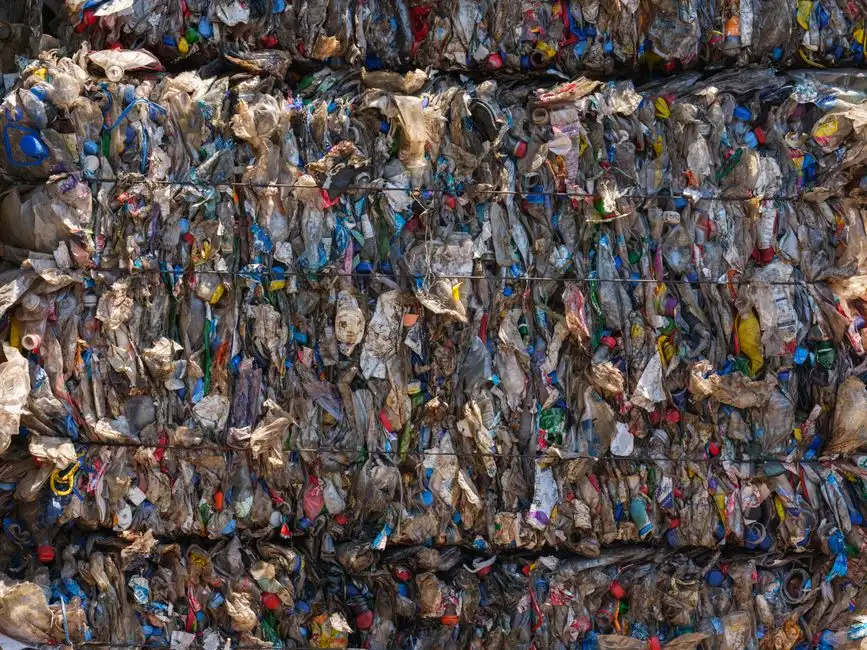
كل خلية في الجدول أدناه مستمدة من إرشادات تصميم وكالة EPA، ومواصفات منتجات HydropureWater، وبيانات حالات Ecologix لعام 2026، وهي مُصممة لمنشأة بلاستيك أو مطاط متوسطة الحجم بسعة تمثيلية 10–50 m³/h. الرقم الأهم لأي منشأة خاضعة لـ 40 CFR 433 أو 463 هو فارق إزالة الدهون والشحوم: لا يستطيع المروّق بكفاءة 60–75% إيصال تيار زيوت وشحوم خام بتركيز 400 mg/L إلى ما دون حد المتوسط الشهري البالغ 26 mg/L دون جرعة مُخثر غير اقتصادية (Hahn 2010؛ Ecologix 2026).
| المعيار | DAF | المروّق الرقائقي |
|---|---|---|
| إزالة الدهون والشحوم (تغذية بلاستيك/مطاط) | 90–95% | 60–75% |
| إزالة المواد الصلبة العالقة (تغذية بلاستيك/مطاط) | 90–95% | 80–90% |
| جرعة البوليمر (بولي أكريلاميد كاتيوني) | 5–15 mg/L | 15–25 mg/L |
| مواد صلبة في الحمأة للجفاف | طافي 3–5% | تدفق سفلي 0.5–2% |
| المساحة الأرضية عند 30 m³/h | 3 m × 6 m، تحميل هيدروليكي يصل إلى 25 m/h | خزان أكبر، بدون آلية كشط، أقل تكلفة تشغيلية |
| نافذة حجم الجسيمات | زيوت مستحلبة 0.01–100 µm، كثافة منخفضة إلى متوسطة | حصى قابل للترسيب فوق 100 µm، حشو معدني كثيف |
| الحساسية للطقس البارد (شتاء 16 °C) | متوسطة — تنخفض كفاءة تشبع الهواء بنسبة ~1% لكل °C دون 20 °C | عالية — عقوبة اللزوجة دون 18 °C، طلب أطول على زمن المكوث |
| التكلفة الرأسمالية للوحدة الجاهزة (10–50 m³/h، 2026 الولايات المتحدة) | وحدة $90k–$180k + منصة جرعات $30k–$60k | تكلفة مقدمة أقل، عدد أقل من الأجهزة |
تستحق ملاحظتان لاحقتان في الجدول التأكيد. تباين البوليمر على نطاق واسع: في منشأة بسعة 30 m³/h تستهلك بجرعة 20 mg/L في المروّق نحو 5.2 طن/سنة من البولي أكريلاميد مقارنة بـ 2.6 طن/سنة عند جرعة 10 mg/L في DAF — أي فارق إنفاق على البوليمر يتراوح بين $4k–$8k (بيانات ميدانية لشركة HydropureWater، 2025). أما فارق المواد الصلبة في الحمأة فهو رافعة لاحقة: يؤدي تغذية طافي DAF بتركيز 4% إلى مكبس ترشيح لوحاوي وإطاري إلى تقصير زمن الدورة بنحو 30–40% مقارنة بتدفق سفلي 1% من المروّق على نفس المكبس، لأن كمية أقل من المياه تضطر للضغط عبر قماش الترشيح.
حددوا DAF عند تحقق أي من هذه الشروط الأربعة لفرونت رويال
اعتمدوا DAF كافتراضي عندما يستطيع المشتري التحقق من شرط واحد على الأقل من الشروط الأربعة أدناه — أي شرط منها كافٍ.
الشرط 1 — تركيز الدهون والشحوم الخام أو اللاتكس أعلى من ~200 mg/L. لا يزال المروّق المدعوم بالمُخثر يترك 50–80 mg/L في الطفح، وهو أعلى بالفعل من سقف الحد اليومي في 40 CFR 433 لأي مركب مطاطي بسعة 15 m³/h أو أكبر.
الشرط 2 — وحدة MBR لاحقة مخطط لها في 2026. يُزيل DAF نسبة 80–90% من الزيوت الحرة والمستحلبة التي كانت ستلوث أغشية PVDF المسطحة، مما يقلل تكرار التنظيف في الموقع ويُطيل عمر الأغشية بنسبة 30–50% في التقارير الميدانية (وفقًا لبيانات ميدانية لـ أنظمة MBR المتكاملة من HydropureWater، 2025).
الشرط 3 — مساحة الأرضية محدودة. تأتي وحدات DAF بـ 13 حجمًا قياسيًا من 4 إلى 300 m³/h وتعمل بتحميل هيدروليكي يصل إلى 25 m/h، لذلك فإن وحدة بسعة 30 m³/h تناسب عادةً مساحة 3 m × 6 m (وفقًا لبيانات منتجات HydropureWater، 2025).
الشرط 4 — برنامج البوليمر مُجهّز بالفعل كمنصة آلية. يعتمد أداء DAF على تغذية بوليمر ثابتة بتركيز 5–15 mg/L؛ تُعد منصة الجرعات الآلية للبوليمر والمُخثر ذات التحكم المتوافق مع التدفق هي خط الأساس لعام 2026، ولا تزال منشآت عام 2026 التي تعمل باختبارات جَرّ يدوية وبسكب البوليمر يدويًا تُهدر 10–20% من كفاءة الإزالة.
قاعدة اختيار المُخثر. بولي أكريلاميد كاتيوني + PAC بتركيز 30–50 mg/L لتيارات الملدنات (DEHP, DINP, DEHA, DINA). أما بالنسبة لمركبات المطاط المحملة بستيارات الزنك، فإن كلوريد الحديديك بتركيز 50–100 mg/L يتفوق على التخثر القائم على الألومنيوم لأن ندف الحديد-فوسفات-الزنك ترتفع عبر عمود الفقاعات بشكل أكثر موثوقية.
حددوا المروّق الرقائقي عند تحقق هذه الشروط الثلاثة لفرونت رويال
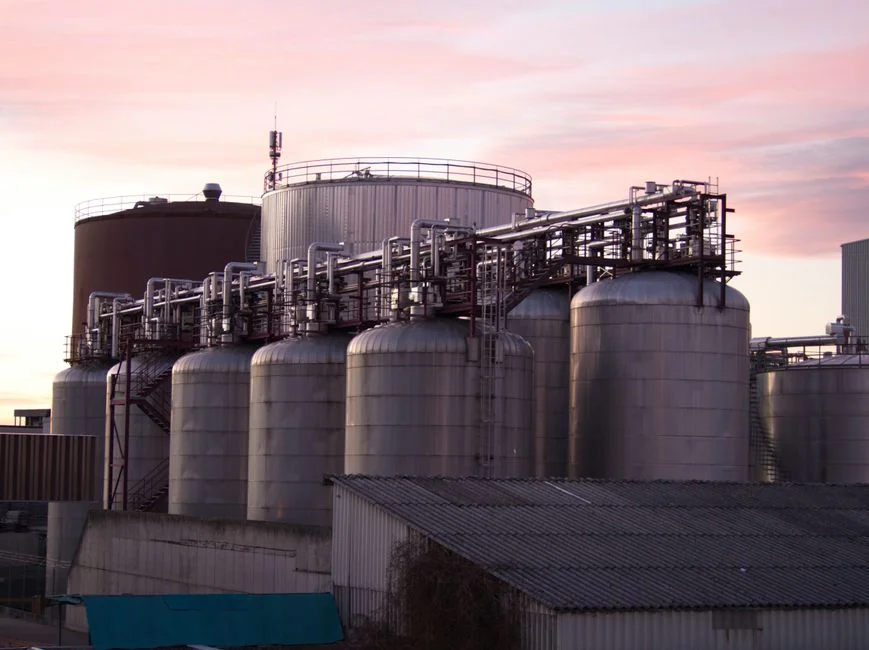
يكون المروّق هو الخطوة الأولية الصحيحة في ثلاث حالات محددة حيث يكون DAF مُفرطًا في المواصفات ويفتقر فريق العمليات إلى الخبرة الكيميائية لتشغيله.
الحالة 1 — التيار يهيمن عليه حشو CaCO3، التلك، إعادة الطحن فوق 100 µm، ودهون وشحوم أقل من 100 mg/L. هذه حالة مُعيد تدوير البلاستيك الذي يغسل رقائق HDPE/PP وحالة مركب PVC الذي يمزج الحشو المعدني. تحقق الألواح الرقائقية بتحميل سطحي 20–40 m/h إزالة 80–90% من المواد الصلبة العالقة بجزء بسيط من التكلفة الرأسمالية لـ DAF، ويتعامل المروّق الرقائقي من HydropureWater مع الحصى bulk بأقل تكلفة تشغيلية في الكتالوج.
الحالة 2 — تيار جانبي يرتبط بمروّق دائري وبنية تحتية قائمة للحمأة. إضافة DAF يُضاعف منصة تغذية البوليمر، وضاغط تشبع الهواء، وآلية الكشط. إذا كان المروّق القائم، ومضخات الحمأة، وجدول المناوبات موجودًا بالفعل، فإن المروّق الرقائقي على الخط الجديد هو أدنى مخاطرة في الربط.
الحالة 3 — التكلفة الرأسمالية هي القيد المُلزم وفريق العمليات بلا خبرة بـ DAF. المروّقات الرقائقية متسامحة: لا يوجد ضغط تشبع هواء لإدارته، ولا معدل كشط للضبط، ولا توازن لإعادة المياه البيضاء. يستطيع مشغّل كفء تشغيل مروّق بالفحص البصري لطبقة الحمأة.
تحذير غير قابل للتفاوض. إذا انحرف تركيب التيار نحو الزيت المستحلب — عامل إطلاق قالب جديد، مادة غسيل قطع جديدة، مورد زيت عمليات جديد — فإن أداء المروّق ينهار. خططوا لمرحلة تلميع DAF لاحقة بسرعة 5–10 m/h، أو قوموا بترقية المروّق بمساعدة المُخثر عند جرعة بوليمر 15–25 mg/L وقبول عقوبة زمن دورة مكبس الترشيح.
المسار الهجين لعام 2026: مروّق رقائقي يعقبه تلميع DAF
إن التهيئة لعام 2026 التي يُطلب من كل مُعيد تدوير في فرونت رويال على طول ممر I-66/Route 340 تحديد مواصفاتها هي مسار هجين من مروّق ثم تلميع DAF، مع تحميل كل وحدة داخل نطاق تصميمها. يومئ دليل سينسيناتي الإقليمي إلى ذلك لكنه يُقلل من شأن الأرقام؛ حالة فرونت رويال هي حيث تُغلق حسابات التكاليف التشغيلية فعليًا (وفقًا لدليل الامتثال المسبق الإقليمي لعام 2026 للمصانع الكيميائية، 2025).
| موقع في المسار | وحدة المعالجة | التحميل / الجرعة | سبب استحقاق موقعه |
|---|---|---|---|
| 1 | منخل قضيب دوار ميكانيكي (فتحة 1–2 mm) | التقاط الحصى، فقد هيدروليكي منخفض | يحمي الألواح الرقائقية اللاحقة من بقايا الخرق والأكياس |
| 2 | مروّق رقائقي | تحميل سطحي 20–40 m/h، إزالة 80–90% من المواد الصلبة العالقة | الحصى bulk و CaCO3/إعادة الطحن الكثيفة بتكلفة تشغيلية منخفضة |
| 3 | مرحلة تلميع DAF | 5–10 m/h، جرعة بوليمر مرتفعة | بقايا الملصقات والمواد اللاصقة والحبر قبل المعالجة المسبقة بالتناضح العكسي |
| 4 | مرشح رملي → تناضح عكسي أو إعادة استخدام | حارس بمواد صلبة عالقة أقل من 5 mg/L | يحمي أغشية التناضح العكسي من التلوث |
بالنسبة لمركبي المطاط ينقلب الترتيب الهجين: DAF أولي بسرعة 15–20 m/h يليه DAF تلميعي بسرعة 5–10 m/h بجرعة بوليمر أعلى، قبل الحمأة المنشطة أو SBR. لا يستطيع مروّق واحد الصمود لأن اختراق الزيت عند أول ارتفاع في يوم ممطر يعطل الخطوة البيولوجية لمدة 48–72 ساعة. إن التعديل التحديثي الأقل تكلفة لعام 2026 هو ترك المروّق الرقائقي في مكانه، وإضافة DAF صغير بعده، وتشغيل كليهما — لا هدم، لا أعمال مدنية جديدة، لا منحنى تدريب جديد للمشغّل. يمكن تكثيف التدفق السفلي للمروّق والطافي من DAF معًا في نفس مكبس الترشيح اللوحاوي والإطاري، مما يُبسط مناولة الحمأة إلى تيار تغذية واحد للمكبس.
مثال محسوب للتكلفة الرأسمالية/التشغيلية لعام 2026 لمنشأة فرونت رويال بسعة 30 m³/h
الأرقام أدناه مخصصة لمنشأة بلاستيك أو مطاط تمثيلية بسعة 30 m³/h في نطاق خدمة فرونت رويال-وارن كاونتي، بحجم مقوّم بدولارات 2026. نفس حمل المواد الصلبة الجافة، أربعة أضعاف المياه — هذا هو القرار بأكمله في سطر واحد.
| بند التكلفة | مسار يقوده DAF | مسار يقوده مروّق رقائقي |
|---|---|---|
| حمأة رطبة للجفاف | ~18.8 m³/day بطافي 4% (~750 kg/day مواد صلبة جافة) | ~75 m³/day بتدفق سفلي 1% (نفس المواد الصلبة الجافة) |
| حجم مكبس الترشيح | 30 لوحًا، مكبس 5 m³، 1–2 دورة/يوم | 50 لوحًا، مكبس 8 m³، 3–4 دورات/يوم |
| تكلفة الوحدة الجاهزة (10–50 m³/h، 2026) | DAF بـ $90k–$180k + منصة جرعات $30k–$60k | تكلفة وحدة أقل، مساحة مدنية أكبر |
| إجمالي التكلفة المُركّبة (2026) | $180k–$320k بما في ذلك الأعمال المدنية والتمديدات والكهرباء | إجمالي أقل، لكن احذروا من ارتفاع الجرعات على التيارات المستحلبة |
| إنفاق البولي أكريلاميد | ~2.6 طن/سنة عند 10 mg/L ($4k–$8k/سنة) | ~5.2 طن/سنة عند 20 mg/L (أعلى بـ $4k–$8k/سنة) |
| تكلفة النقل لكل طن مواد صلبة جافة (كبسولة مضغوطة 25–35%) | خط الأساس (1×) | خط الأساس (1×) |
| تكلفة النقل لكل طن مواد صلبة جافة (طافي سائل بتركيز 4%) | 6–8× خط الأساس — تجنبوا هذا التكوين | غير منطبق |
| الفائز بإجمالي تكلفة الملكية لمدة 5 سنوات (دهون وشحوم أعلى من 150 mg/L) | يفوز بنسبة 15–25% | يخسر على جانب التكاليف التشغيلية |
| الفائز بإجمالي تكلفة الملكية لمدة 5 سنوات (دهون وشحوم أقل من 100 mg/L) | يخسر على التكلفة الرأسمالية | يفوز على الإجمالي |
ثلاث استنتاجات شرائية. أولًا، يعد تخطي مكبس الترشيح ونقل الطافي السائل إلى المكب بتركيز 4% من المواد الصلبة هو الخطأ التشغيلي الأكثر شيوعًا في عام 2026 — فتكلفة النقل لكل طن من المواد الصلبة الجافة تتراوح بين 6 و8 أضعاف تكلفة نقل الكبسولة المضغوطة (وفقًا لـ بيانات تكاليف التخلص من الحمأة لعام 2026). ثانيًا، إن مدة التركيب التي تتراوح بين 1–2 يوم والتسليم الجاهز لـ سلسلة DAF تجعل نافذة التركيب لعام 2026 أضيق من أي مروّق خرساني مخصص. ثالثًا، إن حكم التكلفة الإجمالية لمدة 5 سنوات ثنائي: المسار الذي يقوده DAF يفوز بنسبة 15–25% لأي تيار تتجاوز فيه الدهون والشحوم 150 mg/L، والمسار الذي يقوده المروّق الرقائقي يفوز دون هذا العتبة (بيانات ميدانية لشركة HydropureWater، 2025). إن تجربة تشغيلية لمدة 72 ساعة هي أرخص تأمين لأي منشأة واقعة على الحد الفاصل.
الأسئلة الشائعة
متى يكون DAF إلزاميًا مقابل المروّق في مركب المطاط في فرونت رويال؟
يحدد 40 CFR 433.16 لأي مركب مطاطي في فرونت رويال يُصرف إلى محطة فرونت رويال-وارن كاونتي حدًا متوسطًا شهريًا للزيوت والشحوم قدره 26 mg/L. يصل المروّق الرقائقي إلى حد أقصى 60–75% من إزالة الدهون والشحوم على تغذية خام 300–500 mg/L، وهي ليست هامشًا كافيًا للوصول إلى الحد دون جرعة مُخثر غير اقتصادية. يُعد DAF بكفاءة إزالة 90–95% من الدهون والشحوم إلزاميًا فعليًا لأي منشأة فوق ~15 m³/h، مع بولي أكريلاميد كاتيوني + 30–50 mg/L من PAC أو 50–100 mg/L من كلوريد الحديديك لتيارات ستيارات الزنك.
متى يكون المروّق هو الخطوة الأولية الصحيحة لمنشأة بلاستيك؟
يكون المروّق هو الخطوة الأولية الصحيحة عندما يهيمن على التيار حشو CaCO3، أو التلك، أو إعادة الطحن فوق 100 µm، وتكون الدهون والشحوم أقل من 100 mg/L — حالة مُعيد تدوير البلاستيك الذي يغسل رقائق HDPE أو PET، أو مركب PVC الذي يمزج الحشو المعدني. تحقق الألواح الرقائقية بتحميل سطحي 20–40 m/h إزالة 80–90% من المواد الصلبة العالقة بجزء بسيط من التكلفة الرأسمالية لـ DAF. فوق 100 mg/L من الدهون والشحوم، أضيفوا مرحلة تلميع DAF لاحقة؛ يُعد المسار الهجين من المروّق الرقائقي + تلميع DAF هو العمل الأساسي لعام 2026.
ما هي التكلفة المُركّبة لعام 2026 لنظام DAF لمنشأة فرونت رويال بسعة 30 m³/h؟
تتراوح تكلفة وحدة DAF الجاهزة عادةً بين $90k–$180k قبل التركيب، بالإضافة إلى $30k–$60k لـ منصة الجرعات الآلية للبوليمر والمُخثر، مع 1–2 يوم من التركيب في الموقع. تتراوح التكلفة المُركّبة الإجمالية في عام 2026 لمنشأة في فرونت رويال عادةً بين $180k و$320k، بما في ذلك الأعمال المدنية والتمديدات والكهرباء (بيانات ميدانية لشركة HydropureWater، 2025).
كيف يختلف تجفيف الحمأة بين DAF والمروّق؟
يخرج الطافي من DAF من الخطوة الأولية بتركيز 3–5% من المواد الصلبة ويضخ مباشرة إلى مكبس ترشيح لوحاوي وإطاري، الذي يجففه إلى كبسولة 25–35% للتخلص منها خارج الموقع. أما التدفق السفلي من المروّق بتركيز 0.5–2% من المواد الصلبة فيحمل 3–4 أضعاف كمية المياه، مما يفرض مكبسًا أكبر، ودورات أكثر يوميًا، وبوليمر أكثر، ومياه غسيل أكثر لنفس إنتاجية المواد الصلبة الجافة. يكلف نقل الطافي السائل إلى المكب بتركيز 4% من المواد الصلبة ما بين 6 و8 أضعاف لكل طن من المواد الصلبة الجافة مقارنةً بنقل الكبسولة المضغوطة.
هل DAF متوافق مع وحدة MBR لاحقة؟
نعم، وهو الاقتران الافتراضي لعام 2026. يُزيل DAF الذي يحمي أغشية PVDF المسطحة نسبة 80–90% من الزيوت الحرة والمستحلبة التي كانت ستلوث الأغشية، مما يقلل تكرار التنظيف في الموقع ويُطيل عمر الأغشية بنسبة 30–50% في التقارير الميدانية (وفقًا لوثائق نظام MBR المتكامل من HydropureWater، 2025). يُعد المروّق الذي يسبق MBR في تغذية بلاستيك أو مطاط سببًا موثقًا لضغط عمر الأغشية.