لماذا مياه صرف الصناعات الكيميائية في سينسيناتي ليست تيارًا نمطيًا
بالنسبة لمصانع الكيماويات في سينسيناتي لعام 2026، اختر DAF عندما يحتوي التيار على زيوت مستحلبة، أو مواد فعالة سطحية، أو لاتكس، أو مواد صلبة عالقة منخفضة الكثافة (يزيل DAF نسبة 85–98% من المواد الصلبة العالقة الكلية و~95% من الدهون والزيوت)؛ واختر المروّق عندما يهيمن على التيار رواسب غير عضوية ثقيلة أو جسيمات محفزات كثيفة. معظم المصانع الكيميائية باتت اليوم تحدد مسارًا هجينًا: DAF ← مروّق لاميالا لمعالجة تيار مدخل متغير والوفاء بحدود المعالجة المسبقة وفق Ohio EPA NPDES.
يحمل مزيج مياه الصرف النموذجي وفق التصنيف SIC 28 (الكيماويات الصناعية) على الجانب الغربي من حوض Mill Creek زيوتًا مستحلبة من تنظيف المفاعلات، وتسربًا للّاتكس البوليمري، وعوامل رغوية من المواد الفعالة سطحيًا، وجسيمات محفزات عالقة — مع تذبذبات في الأس الهيدروجيني من 2 إلى 12 ودرجات حرارة بين 30 و65 °C خلال حملات التشغيل الدفعية. لا تتصرف هذه المكونات بالطريقة نفسها في خلية التعويم كما في المرسّب بالجاذبية. إذ تعلق الزيوت واللاتكس والمستحلبات المثبتة بالمواد الفعالة سطحيًا بفقاعات الهواء الدقيقة وتطفو خلال 20–40 دقيقة؛ فيما تنغمر هيدروكسيدات المعادن والجبس من المعادلة وجسيمات المحفزات الكثيفة ببساطة، ويلتقطها المروّق مقابل جزء يسير من تكلفة التشغيل. المشكلة أن مصنع الكيماويات في سينسيناتي نادرًا ما يصرف واحدًا من تلك التيارات منفردًا — إذ تدور المفاعلات كل ساعة، ويقوم حوض المعادلة بمتوسط كل شيء معًا في تغذية ليست طافية بحتًا ولا قابلة للترسيب بحتًا.
هذا التذبذب هو السبب في أن الشروحات العامة على المستوى الوطني حول DAF مقابل المروّق لا تساعد مهندس المشروع وهو يقف أمام حد رخصة MSDSC في منطقة Millcrest. تفرض قواعد المعالجة المسبقة الصناعية لإدارة مياه الصرف الصحي في سينسيناتي الكبرى (MSDSC) خفض الزيت والشحم في التيار الداخل إلى أدنى قيمة عملية ممكنة لحماية مجمع Mill Creek ونهر Ohio — مما يعني أن إزالة الدهون والزيوت ليست اختيارية، حتى عندما يحمل التيار ذاته الرواسب الكثيفة التي يعالجها المروّق بأفضل كفاءة.
DAF مقابل المروّق: مواجهة مباشرة وفق المقاييس المهمة
يزيل DAF من النمط FC Maximizer الدائري نسبة 92–98% من المواد الصلبة العالقة الكلية، ومن النمط RC UniMax المستطيلي نسبة 85–90%، وكلاهما يعمل بمعدل 10–11,000 gpm ضمن دورة احتجاز 20–40 دقيقة. ويحقق المروّق التقليدي بالجاذبية عادةً نسبة إزالة 60–85% من المواد الصلبة العالقة الكلية بزمن احتجاز 2–4 ساعات، مع حساسية عالية للأداء بحسب زمن الاحتجاز وعزم كشط الحمأة.
| المعيار | التعويم بالهواء المذاب (DAF) | المروّق بالجاذبية |
|---|---|---|
| إزالة المواد الصلبة العالقة الكلية (تمريرة واحدة) | 85–98% (FC Maximizer 92–98%، RC UniMax 85–90%) | 60–85% (محدودة بزمن الاحتجاز) |
| إزالة الدهون/الزيوت والزيوت المستحلبة | ~95% في التيارات عالية الزيوت | ~70% على التيار ذاته |
| تماسك الحمأة | طفو عند 2–4% مواد صلبة جافة — أسهل في التجفيف | تدفق سفلي عند 1–2% — محتوى مائي أعلى |
| الاحتجاز الهيدروليكي | 20–40 دقيقة (خزان ضحل) | 2–4 ساعات (مساحة 3–5× أكبر) |
| الحمل التشغيلي للمرافق | ضاغط هواء + مضخة إعادة تدوير (متوسط) | محرك كشط الحمأة فقط (منخفض) |
| الإنفاق الرأسمالي (CAPEX) على أساس التدفق ذاته | ~1.5–2.5× مكافئ المروّق | خط الأساس |
| طابع الإنفاق التشغيلي (OPEX) | أعلى (هواء مضغوط، بوليمر، طاقة) | أقل — للمروّقات عمومًا تكاليف تشغيلية أدنى |
وفيما يخص الدهون والزيوت تحديدًا، فإن الفارق حاسم: أظهرت حالة معالجة أغذية باستخدام DAF إزالة بنسبة 95% للزيوت والشحوم مقابل 70% للمروّق على التغذية ذاتها (Ecologix 2026). وبالنسبة لتيارات سينسيناتي الكيميائية — حيث تكون الزيوت المستحلبة وتسرب اللاتكس هي المعايير الملزمة تجاه MSDSC — فإن هذا الفارق البالغ 25 نقطة هو الفارق بين اجتياز الحد المحلي وفشله. يتفوق المروّق في التكلفة الرأسمالية والطاقة، لكنه يخسر في كل مقياس مرتبط بالملوثات الطافية، وهو بالضبط ما يحرّك إنفاذ المعالجة المسبقة في سينسيناتي.
متى يكون المروّق وحده الخيار الصحيح في عام 2026
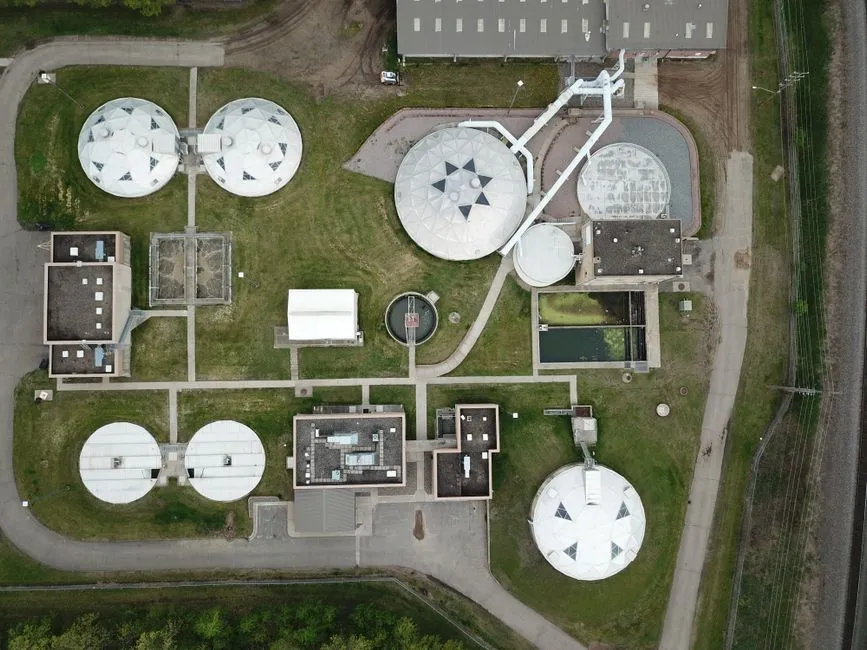
يكون المروّق المستقل هو الخيار الصحيح عندما يهيمن على التيار رواسب غير عضوية ثقيلة — هيدروكسيدات معادن من معادلة الأس الهيدروجيني، أو جبس، أو جسيمات محفزات كثيفة، أو دهون وزيوت متوافقة مع المروّق بمستوى أقل من ~50 mg/L. تستقر هذه الجسيمات بسهولة، ويزيلها المروّق التقليدي أو مروّق اللاميالا بإنفاق رأسمالي وتكلفة تشغيلية أدنى من DAF، ودون الحاجة إلى هواء مضغوط.
لا تزال هناك ثلاثة سيناريوهات محددة في سينسيناتي تفضّل مسار المروّق وحده في عام 2026: (1) تصريف حوض معادلة تكون فيه المعاملة الملزمة هي المعادن الثقيلة القابلة للترسيب بدلًا من الزيت؛ (2) تيار منخفض الدهون والزيوت وعالي المواد الصلبة الذائبة الكلية متجه إلى مرحلة بيولوجية أو غشائية لاحقة، حيث تُهدر فائدة DAF في إزالة الدهون، ويغذيOverflow المروّق المُصفّى المفاعل الحيوي بمعدل أكثر انتظامًا؛ و(3) دورة إنفاق رأسمالي محدودة مع غلاف تصريف ضيق، حيث إن التكلفة التشغيلية الأدنى للمروّق — المؤكدة من Ecologix كخيار افتراضي للعمليات الحساسة للتكلفة — تتفوق على الإنفاق المقدم الأعلى لـ DAF. ينقلب قرار التعديل التحديثي إذا أصبحت حدود الدهون والزيوت هي المعاملة الملزمة: في تلك الحالة، فإن ترقية DAF على رأس المروّق الحالي أقل تكلفة من استبدال المسار بأكمله.
المسار الهجين: المعالجة المسبقة بـ DAF تليها مروّق لاميالا
يجمع الترتيب الهجين بين DAF والمروّق بين إزالة الزيوت بواسطة DAF وترسيب المروّق لمعالجة التيارات المعقدة التي لا تعالجها أي وحدة منهما بمفردها (Ecologix 2026). وبالنسبة لمصنع الكيماويات في سينسيناتي لعام 2026، فإن المسار الافتراضي هو: غربال قضيباني دوار ← معادلة التدفق ← جرع المُخثر/المُلبِّد ← نظام التعويم بالهواء المذاب لإزالة الزيت والدهون والمواد الصلبة العالقة الدقيقة ← مروّق اللاميالا عالي الكفاءة من HydropureWater للصقل النهائي للمواد الصلبة الثقيلة ← المعالجة البيولوجية، أو MBR (مفاعل حيوي غشائي)، أو الترسيب الكيميائي لـ COD المتبقي والمعادن.
ثمة تفصيلان هندسيان يجعلان المسار الهجين ناجحًا في الخدمة الكيميائية. أولًا، تعمل مرحلة اللاميالا بحِمل سطحي قدره 20–40 m/h، مما يضغط المساحة بمقدار ~60% مقارنة بمروّق تقليدي بمعدل تجاوز مكافئ — وهو وفر ذو معنى في المساحة الأرضية على قطعة صناعية محدودة في Mill Creek. ثانيًا، يجب إقران وحدة DAF الأمامية بـ منصة جرع كيميائي أوتوماتيكية من HydropureWater ذات سعة مناسبة؛ إذ تُدرج K-S خزانات المعالجة الكيميائية المسبقة والخلاطات ومضخات الجرع كمعدات مساعدة قياسية، لأن اختيار المُخثر والمُلبِّد هو ما يرفع أداء DAF إلى إزالة 95% من الدهون بدلًا من 60–70% التي تحصل عليها على مستحلب خام. تُوجَّه حمأة الطفو من DAF والحمأة السفلية من اللاميالا إلى مكبس مرشحي لوح وإطار مشترك للتجفيف، مما يُبقي مسار معالجة الحمأة بمسار واحد.
| المرحلة | العملية الوحدوية | هدف الإزالة الأساسي | الإزالة النموذجية |
|---|---|---|---|
| 1 | غربال قضيباني دوار (فتحة 3–5 mm) | القُماش والخرق والحطام الكبير | يحمي المراحل اللاحقة |
| 2 | حوض معادلة (8–24 ساعة) | تخميد التدفق + الأس الهيدروجيني + الحرارة | يقلل صدمة الحمل |
| 3 | جرع المُخثر + المُلبِّد | تحييد الشحنة، نمو التلبّدات | يُعزّز الفصل اللاحق |
| 4 | DAF (احتجاز 20–40 دقيقة) | زيت مستحلب، دهون وزيوت، مواد صلبة عالقة دقيقة | 85–98% مواد صلبة عالقة، ~95% دهون وزيوت |
| 5 | مروّق لاميالا (حِمل سطحي 20–40 m/h) | رواسب ثقيلة، صقل المواد الصلبة العالقة | 60–85% على المواد الصلبة المتبقية |
| 6 | بيولوجي / MBR / ترسيب | COD متبقٍّ، أمونيا، معادن | حسب الموقع |
مرحلة اللاميالا ليست زائدة بعد DAF — فهي تلتقط الرواسب الكثيفة التي تمر عبر التعويم وتُدخل المياه الخارجة المدمجة ضمن غلاف رأس أعمال MSDSC. يُعدّ هذا الفصل على مرحلتين الخيار الفعلي الافتراضي لعام 2026 لمصانع الكيماويات في سينسيناتي التي تتأرجح حملاتها الدفعية بين نفايات غنية بالزيوت وأخرى غنية بالمعادن ضمن المناوبة ذاتها.
الامتثال الخاص بسينسيناتي: MSDSC وOhio EPA وNPDES
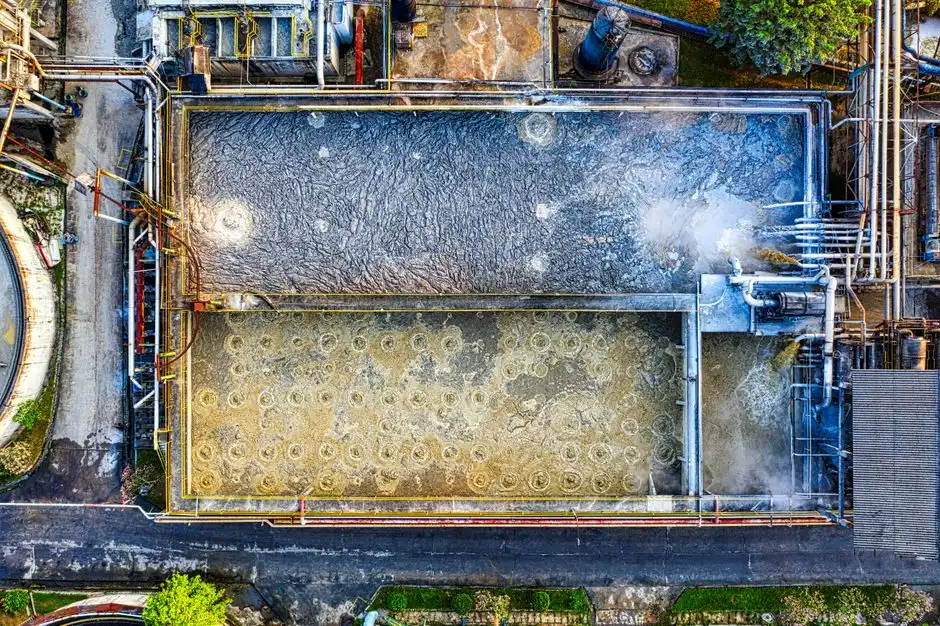
يعمل برنامج المعالجة المسبقة الصناعية لـ MSDSC ضمن إطار NPDES التابع لـ Ohio EPA، مع حدود محلية تتواءم عادةً مع معايير المعالجة المسبقة التصنيفية وفق 40 CFR 403 للتصنيف SIC 28 (الكيماويات الصناعية، SIC 2869، 2911، 2821). تضع المعايير التصنيفية حدودًا رقمية لـ BOD والمواد الصلبة العالقة الكلية والزيت والشحم والملوثات ذات الأولوية للكيماويات العضوية والبلاستيك وتكرير النفط — وهي ثلاثة رموز SIC تندرج تحتها معظم مصانع الكيماويات في سينسيناتي. إن المسار القائم على DAF هو ما يُدخل المصنع ضمن هذه الحدود على محوري الدهون والمواد الصلبة العالقة؛ أما مسار المروّق وحده فنادرًا ما يفي بذلك على محور الدهون عند وجود زيوت مستحلبة.
يوجد بندان خاصان بعام 2026 يغيّران معادلات التصاريح لمصانع سينسيناتي. أولًا، تُشدد تحديثات خطة الولاية لعام 2026 بشأن المواد البيرفلوروألكيلية (PFAS) الصادرة عن Ohio EPA توقعات الرصد وأفضل التقنيات المتاحة للمصّرفين الصناعيين، ورغم أن إزالة PFAS ليست وظيفة DAF أو المروّق، فإن كلتا التقنيتين تُركّزان PFAS في تيار حمأة أصغر — مما يرفع تكلفة المعالجة اللاحقة وينبغي إدراجها في الإنفاق الرأسمالي منذ اليوم الأول. ثانيًا، تدفع المخاطر الكيميائية الطور البخاري للمذيبات المكلورة والمواد العضوية المتطايرة نحو تصاميم DAF مغلقة على الجانب الغربي من المصنع، مع التقاط البخار وصقله بخرطوشة كربون منشط على هواء التصريف؛ أما DAF المفتوح فنادرًا ما يُقبل في موقع كيميائي مغلق في سينسيناتي.
وفيما يخص الحمل المحلي على الحوض المائي، فإن لشبكتي مجمّع Mill Creek وMillcrest قدرة هيدروليكية محدودة في الطقس الرطب، وتجعل رسوم MSDSC المفروضة على حوادث التجاوز الفرق بين تصريف 50 mg/L وتصريف 200 mg/L من المواد الصلبة العالقة الكلية بمثابة غرامة سنوية بستة أرقام لمصنع كيماويات متوسط الحجم. هذا هو السبب المالي في أن المسار الهجين — وليس وحدة واحدة — بات الخيار الافتراضي لعام 2026: فهو المسار الأقل مخاطرة للبقاء تحت الحد المحلي في جميع ظروف الحملات.
سير عمل الاختيار لعام 2026 لمصنع كيماويات في سينسيناتي
ينتقل سير عمل الاختيار لعام 2026 من عينة الاختبار إلى طلب المعدات في خمس خطوات، مع تأجير وحدة تجريبية بوصفه النشاط الفاصل بين توصيف التيار والمواصفات الفنية.
| الخطوة | النشاط | المدة / المخرج |
|---|---|---|
| 1 | أخذ عينات مركبة لمدة 4 أسابيع عبر جميع حملات الإنتاج — أسوأ حالة للدهون والمواد الصلبة العالقة والأس الهيدروجيني والحرارة | تقرير توصيف خط الأساس |
| 2 | اختبارات جار لاختيار المُخثر/المُلبِّد (كل من K-S وDAF Corp تقدم هذه الخدمة) | نوع البوليمر، الجرعة، نطاق الأس الهيدروجيني |
| 3 | تجربة ميدانية على الموقع — تؤجر DAF Corp وحدة FC-60 بمعدل 48 gpm؛ وتؤجر K-S وحدات تجريبية مكافئة من DAF | إزالة مُتحقَّقة مقابل تدفق التصميم |
| 4 | التأكيد وفق الحدود المحلية لـ MSDSC (المتوائمة مع المعايير التصنيفية وفق 40 CFR 403 للتصنيف SIC 28) | غلاف التصريح |
| 5 | تحديد المواد — فولاذ مقاوم للصدأ 316L للتعرض للكلوريد/المذيبات المكلورة، FRP حيث تسمح الكيمياء | المواصفات النهائية للمعدات |
تُعدّ بيانات التجربة الميدانية غير اختيارية على نطاق سينسيناتي. ويشير مهندسو DAF Corp صراحةً إلى أن دراسة مياه صرف شاملة "مبررة في كثير من الأحيان" لإدارة مخاطر التكلفة المستقبلية، وتقوم كل من K-S وDAF Corp بتأجير وحدات تجريبية مثبتة على مقطورة خصيصًا ليتمكن المصنع الكيميائي من إجراء تجربة تتراوح بين 4–8 أسابيع على تغذيته الخاصة قبل الالتزام بوحدة كاملة بمعدل 11,000 gpm. وهذه الخطوة التجريبية هي التي يُتخذ فيها فعليًا قرار DAF مقابل المروّق مقابل الهجين — إذ تُضيّق بيانات الاختبار المختبري الخيارات، لكن التجربة الميدانية وحدها تؤكد الإزالة في ظل التذبذب الحقيقي لتيار التشغيل الدفعي وفق SIC 28. وللسياق الأوسع حول كيفية انسجام ذلك في المسارات الغشائية والبيولوجية الصناعية، انظر توجهات سوق تقنيات الأغشية لعام 2026 ودليل مفاعلات الأغشية الحيوية IFAS لتيارات COD العالي. كما تُوثّق اختيارات مماثلة على مستوى المصانع في مناطق جغرافية أخرى في دليل DAF مقابل المروّق لكيماويات Lakeland ودليل DAF مقابل المروّق لمياه صرف نفط Newport.
الأسئلة الشائعة
هل ينبغي لمصنع كيماويات في سينسيناتي اختيار DAF أم المروّق أولاً في عام 2026؟
قم بتوصيف التيار أولًا. إذا تجاوزت الدهون والزيوت أو الزيت المستحلب أو اللاتكس قيمة ~50 mg/L، فإن DAF غير قابل للتفاوض لأن المروّق يزيل عادةً ~70% فقط من الدهون مقابل ~95% لـ DAF (Ecologix 2026). وإذا كان التيار مهيمنًا عليه من الرواسب غير العضوية الثقيلة، فإن المروّق هو الأساس الصحيح، ويمكن إضافة DAF كمرحلة صقل.
ما معدل التدفق الذي يمكن أن تستوعبه وحدة DAF واحدة لمصنع وفق SIC 28؟
يغطي FC Maximizer من DAF Corp نطاقًا من 10 gpm إلى 11,000 gpm في خزان دائري واحد (قطر 6 ft إلى 70 ft) بإزالة 92–98% من المواد الصلبة العالقة الكلية. ويغطي التكوين المستطيلي RC UniMax نطاقًا من 10–1,000 gpm بإزالة 85–90% من المواد الصلبة العالقة الكلية. وتندرج معظم مصانع سينسيناتي الكيميائية في النطاق 100–500 gpm بسهولة ضمن وحدة FC مثبتة على منصة.
هل الاختبار التجريبي الميداني مطلوب فعلًا قبل شراء DAF بالحجم الكامل؟
نعم، بالنسبة لأي مصنع كيماويات ذي تيار مدخل متغير دفعيًّا. تؤجر كل من DAF Corp (وحدة FC-60 التجريبية بمعدل 48 gpm) وK-S وحدات DAF تجريبية مثبتة على مقطورة، وتوصي K-S صراحةً بالاختبار التجريبي بوصفه "أفضل طريقة لتحديد خصائص الفصل الصحيحة لتيار نفايات معين" قبل التحجيم. وعادةً ما تسترد التجربة الممتدة 4–8 أسابيع تكلفة إيجارها بتجنّب فرط أو نقص التحجيم على وحدة بستة أرقام.
كيف يؤدي المسار الهجين DAF + مروّق لاميالا في حدود MSDSC في سينسيناتي؟
يُعدّ المسار الهجين المسار الأقل مخاطرة للبقاء تحت الحدود المحلية لـ MSDSC على محوري الدهون والمواد الصلبة العالقة. يتولى DAF محور الدهون (إزالة ~95%) ويصقل مروّق اللاميالا عند حِمل سطحي قدره 20–40 m/h المواد الصلبة العالقة المتبقية إلى المستويات التي تتوقعها MSDSC عند رأس الأعمال. كما تعمل الوحدتان معًا على تخميد التذبذبات الساعية لحملات المفاعلات الدفعية التي لا يستطيع مسار بتقنية واحدة استيعابها.
معدات ذات صلة
- الغربال القضيباني الميكانيكي الدوار GX — المواصفات، نطاق السعة، والبيانات الفنية