لماذا تُعيد مصانع التعدين والمعادن في غاردن فالي طرح هذا السؤال في 2026
أصبحت حدود 40 CFR 437.30–437.32 القصوى اليومية والمتوسطات الشهرية للمواد الصلبة العالقة الكلية (TSS)، والرصاص القابل للاسترداد، والزنك، والنحاس، والحديد، إضافةً إلى نطاق الأس الهيدروجيني (pH) بين 6.0 و9.0، القيد المُلزم على تصريفات التعدين والمعادن في غاردن فالي — لا خيارًا تصميميًا داخليًا، ولا بند صيانة، ولا هدفًا مستقبليًا (وفقًا لـ 40 CFR 437، تعدين الخام وتجهيزه). وتدفع دورة رأس المال في 2026 إلى اتخاذ قرار استبدال التعويم بالهواء المذاب أو المروّق بشكل لم تفرضه أي حقبة سابقة.
تتلاقى ثلاثة ضغوط. أولًا، المطرقة التنظيمية: أي تجاوز واحد للحدود القصوى اليومية في الرصاص أو الزنك يُسجَّل كمخالفة لبرنامج التصريف الوطني (NPDES) ويمتد أثرها إلى إفصاحات الحوكمة البيئية والاجتماعية (ESG). وكثير من المروّقات القديمة في مصانع المعادن في غاردن فالي يعود إلى السبعينيات، وتجاوز عمره التشغيلي أكثر من جيلين، دون أي هامش هيدروليكي تجاه ارتفاعات المعادن الحالية وفق 40 CFR 437. ثانيًا، دورة رأس المال: أهداف إعادة استخدام المياه بدائرة مغلاقة المدفوعة بمتطلبات ESG ترفع استبدال المروّق الآن إلى قرار على مستوى مجلس الإدارة، خاصةً مع صاعد طلب خطوط الإنتاج على المياه بالتوازي. والحالة المرجعية هي مشروع مضاعفة السعة لـ Burns & McDonnell إلى 2.6 مليون غالون يوميًا (MGD) في منشأة بطاريات المركبات الكهربائية، المُنجَز وفق جدول 2026 المكثف وتسليم التصميم-البناء المرحلي لبدء تشغيل المنشأة في مارس (Burns & McDonnell، 2026-06). ثالثًا، طبيعة التيار: ندف هيدروكسيد المعادن الكثيفة (هيدروكسيدات Fe وMn وAl، دقائق السيليكا، الماغنتيت) مع زيوت عابرة متقطعة من ورش الصيانة ومحطات غسل المعدات — وهو على النقيض من تيارات الأغذية الغنية بالزيوت والشحوم التي تفترضها معظم مقالات التعويم بالهواء المذاب.
بالنسبة إلى مسؤول المشتريات الذي يزن بين تركيب التعويم بالهواء المذاب أو مروّق كمعالجة أولية، فإن السؤال العملي هو أيّ التقنيتين يسبق الأخرى، لا أيّهما يُشترى. وإن نطاق الزنك ونطاق الرصاص لعام 2026 يجعلان قرار الترتيب هذا عاجلًا، كما أن مناخ الحوض المحلي يجعله قرار تحديد سعة، لا مجرد قرار اختيار. انظر دليل إزالة الزنك لعام 2026 ودليل معالجة الرصاص لعام 2026 للنطاقات الخاصة بكل معدن التي تؤطر هذا المقال.
حدود تصريف 40 CFR 437: الأرقام التي يجب على منشأة في غاردن فالي تحقيقها
يُحدد 40 CFR 437 — تعدين الخام وتجهيزه — الحدود القصوى اليومية والمتوسطات الشهرية للمواد الصلبة العالقة الكلية (TSS)، والرصاص القابل للاسترداد، والزنك، والنحاس، والحديد، إضافةً إلى نطاق الأس الهيدروجيني (pH) بين 6.0 و9.0 لأي تصريف في المجاري المائية للولايات المتحدة (وفقًا لـ 40 CFR 437.30–437.32). ولا تفرض اللائحة تقنية محددة؛ بل ترسم النطاق، ونظام بحجم مناسب مع الترسيب الكيميائي يحققه. والنطاق النموذجي المطلوب من منشأة في غاردن فالي:
| المُعامِل | الحد الأقصى اليومي | المتوسط الشهري | ملاحظات |
|---|---|---|---|
| المواد الصلبة العالقة الكلية (TSS) | ~50 ملغ/لتر (وفقًا لـ 40 CFR 437.30–437.32) | ~30 ملغ/لتر | يتشدد النطاق للمناجم ذات التصريف المباشر |
| الرصاص القابل للاسترداد | ~0.5 ملغ/لتر | ~0.3 ملغ/لتر | مُحكم بسبب التراكم البيولوجي |
| الزنك القابل للاسترداد | ~1.0 ملغ/لتر | ~0.5 ملغ/لتر | مدفوع بمعايير الحياة المائية |
| النحاس القابل للاسترداد | ~1.0 ملغ/لتر | ~0.5 ملغ/لتر | حسب الموقع عند انخفاض عسر المياه |
| الحديد القابل للاسترداد | ~3.0–5.0 ملغ/لتر | ~2.0 ملغ/لتر | يتحكم نطاق الحديد غالبًا في تصميم الندف |
| الأس الهيدروجيني (pH) | 6.0–9.0 | 6.0–9.0 | مستمر، لا لحظي |
لا يُلزم 40 CFR 437 صراحةً باستخدام التعويم بالهواء المذاب أو مروّق الألواح المائلة؛ فاللائحة محايدة تجاه التقنية، وكلتاهما مع الترسيب الكيميائي وتعديل الأس الهيدروجيني تحققان النطاق. وتعمل كثير من المنشآت الأمريكية بنظام التعويم بالهواء المذاب كمعالجة أولية لإزالة الزيوت والشحوم والدقائق الغروية، ثم مروّق ألواح مائلة صغير كمرحلة تلميع لتوفير هامش تجاه ارتفاعات المعادن القصوى اليومية التي تتسرب أحيانًا من نظام أحادي المرحلة. ولمعادلة تحديد السعة الخاصة بكل معدن حول نطاق النيكل (وهو معدن مُسيطَر عليه غالبًا في مصافي المعادن المختلطة)، يتناول دليل هندسة النيكل لعام 2026 كيمياء الترسيب التي يجب أن تستقر قبل أن يتمكن أي من المروّق أو التعويم بالهواء المذاب من تقديم تصريف منتظم.
التعويم بالهواء المذاب مقابل مروّق الألواح المائلة مقابل المروّق التقليدي: كيف تعمل كل تقنية فعليًا
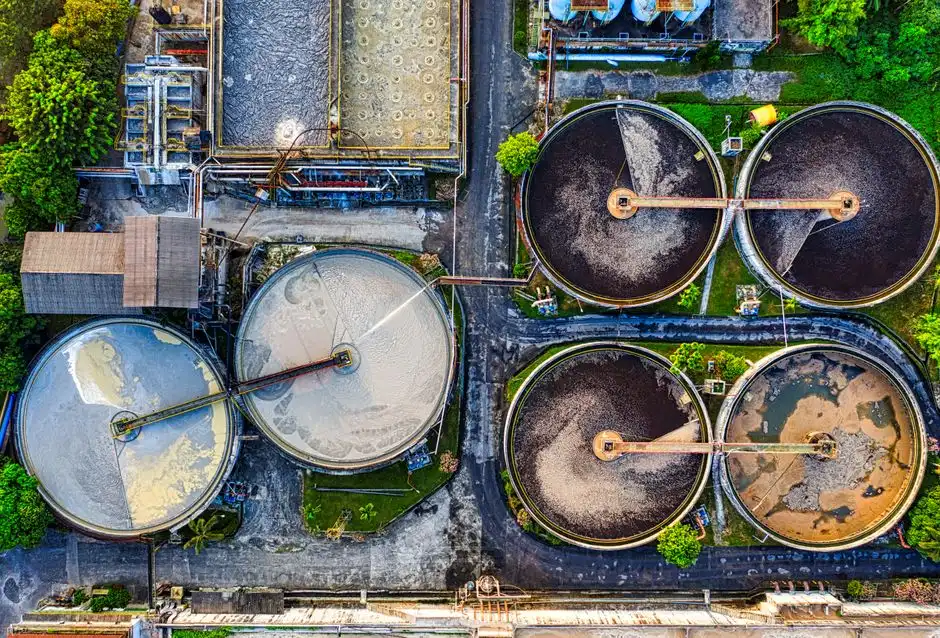
تُطفو وحدة التعويم بالهواء المذاب المواد الصلبة باستخدام فقاعات دقيقة متولدة من تيار إعادة التدوير المضغوط. تُسحب المياه المروقة من مخرج الوحدة، وتُضغط إلى نحو 6 بار (87 رطل/بوصة مربعة)، وتُشبع بالهواء داخل وعاء تشبع محشو بكفاءة تشبع 80–95% (وفقًا لـ S5). وعند تخفيف ضغط تيار إعادة التدوير المشبع داخل خزان التعويم إلى الضغط الجوي، يخرج الهواء المذاب على شكل فقاعات بحجم 30–50 ميكرومترًا. تلتصق هذه الفقاعات بالندف المُهيأ كيميائيًا وترفعه إلى السطح، حيث يكشط كاشط الطبقة العائمة إلى حوض الحمأة؛ وتخرج المياه المروقة تحت غطاء العائم، فيما تستقر المواد الصلبة الثقيلة القابلة للترسيب في حوض الرواسب السفلي. ومُعاملات التصميم الأساسية هي نسبة الهواء إلى المواد الصلبة (A/S) عند 0.005–0.06 مل هواء لكل ملغ من المواد الصلبة، ونسبة إعادة التدوير 10–50% من التدفق الأمامي، وضغط التشبع 4–6 بار (وفقًا لـ S5).
يُكدِّس مروّق الألواح المائلة — المعروف أيضًا بالمُرسِّب بالألواح المائلة أو خزان الترسيب عالي المعدل — ألواحًا مائلة داخل خزان مدمج. تُضاعف الألواح المساحة الفعالة للترسيب، فيرتفع التحميل السطحي إلى 20–40 م/س وتنخفض البصمة الأرضية بنحو مرتبة قياس مقارنة بالمروّق التقليدي عند التدفق نفسه. وتتضمن كثير من التصاميم حلقة إعادة تدوير للحمأة تعيد حقن الحمأة المستقرة لملامسة المياه الداخلة الجديدة، فتخفض استهلاك المُخثِّر بما يصل إلى 30% (HydropureWater P10). والآلية هي ترسيب ستوكس بفعل الجاذبية، لذا يعتمد التصميم على الجاذبية النوعية للندف والمساحة المسقطة للألواح المائلة.
أما المروّق التقليدي بالجاذبية فهو خزان مستطيل أو دائري كبير يعمل بتحميل سطحي لا يتجاوز 1–2 م/س، وببصمة أرضية 5–8 م² لكل م³/س. وهذه البصمة الأرضية هي عامل الإقصاء لأي موقع 2026 مكتظ في ممر غاردن فالي الصناعي، وهي خط الأساس في السبعينيات الذي تستبدله مشاريع رأس المال لعام 2026.
لا تعمل أي من التقنيات الثلاث بمعزل عن الأخرى. فبدون التهيئة الكيميائية — عادةً كلوريد البولي ألومنيوم (PAC) أو كلوريد الحديديك أو الشب مع مُلبِّد بوليمري أنيوني بجرعة 1–5 ملغ/لتر — تمر الفقاعات الدقيقة بجوار الدقائق الغروية ويتدنى أداء التعويم بالهواء المذاب، ويتعين تخفيض التحميل السطحي لمروّق الألواح المائلة بشكل حاد. ويُشكّل نظام التعويم بالهواء المذاب، ومروّق الألواح المائلة عالي الكفاءة، ومنظومة الحقن الكيميائي الآلي هيكل المعدات الذي تُقيّمه منشآت غاردن فالي جنبًا إلى جنب.
القواعد الثلاث التي تقرر التعويم بالهواء المذاب أو المروّق في 2026
ثلاث قواعد حاكمة تحدد أي التقنيتين تتقدم كمعالجة أولية في خط تعدين أو معادن في غاردن فالي. طِبقها بالترتيب.
القاعدة 1 — كثافة الندف. الندف المُهيأ كيميائيًا الذي تزيد جاذبيته النوعية عن 1.05 يستقر بسهولة ويميل لصالح المروّق. والندف نفسه، بعد تهيئته بالبوليمر، يلتصق بقوة أيضًا بفقاعات 30–50 ميكرومترًا، لذا تعمل أي من التقنيتين عندما تكون الكيمياء في المنبع صحيحة. وندف Fe(OH)₃ وAl(OH)₃ الكثيفة الناتجة عن الترسيب بالجير أو الصودا الكاوية لمياه المناجم تناسب المسارين؛ ويصير العامل الحاسم هو القاعدتين التاليتين.
القاعدة 2 — حمل الزيوت والشحوم. الزيوت والشحوم الحرة لا تستقر خلال زمن بقاء المروّق — إذ تخرج مع الطفح — لذا يجب معالجة أي حمل زيوت وشحوم في المنبع أو في مرحلة تلميع بالتعويم بالهواء المذاب. وزيت القطع المستحلب من ورشة الصيانة هو وضع الفشل الذي كثيرًا ما يُشخَّص خطأً كمشكلة في المروّق بينما هو في الحقيقة عدم توافق مع طبيعة التيار.
القاعدة 3 — الطقس البارد. تتباطأ حركية تكوّن الفقاعات الدقيقة بنسبة 20–30% عند 5°م مقارنة بـ 20°م (بيانات ميدانية لـ HydropureWater، 2026)، لذا يُستحسن هامش تحديد سعة 10–15% على مضخة إعادة التدوير ووعاء التشبع للمنشآت في غاردن فالي التي تعمل شتاءً. كما يتدنى أداء مروّق الألواح المائلة في المياه الباردة، لكن وضع الفشل مختلف: خطر تجمد في قادوس الحمأة، لا تباطؤ حركي. وتحتاج كلتا التقنيتين تصميمًا للطقس البارد، لكن هامش التعويم بالهواء المذاب ميكانيكي (تحديد سعة المضخة والوعاء)، وهامش الألواح المائلة ميكانيكي مع ضبط العزل.
بالنسبة إلى الإطار الأوسع للقرار في الأحواض الباردة المجاورة، ينطبق الإطار الثلاثي ذاته على دليل مشتري مياه صرف التعدين في كوارتزبرغ لعام 2026.
مقارنة مباشرة: التعويم بالهواء المذاب مقابل الألواح المائلة مقابل المروّق التقليدي لتيارات التعدين
بالنسبة إلى متخذ القرار غير التقني في منشأة تعدين أو معادن في غاردن فالي، فإن الجدول أدناه هو الجدول الذي يُسلَّم إلى المشتريات للخروج من الاجتماع بثقة. إنه يعيد ترتيب مُعاملات تيار ندف هيدروكسيد المعادن الكثيف — لا افتراضات الزيوت والشحوم في الأغذية — إلى الصفوف التي يسأل عنها المشتريات فعليًا.
| المُعامِل | التعويم بالهواء المذاب | مروّق الألواح المائلة | المروّق التقليدي |
|---|---|---|---|
| إزالة TSS (ندف Fe(OH)₃ / Al(OH)₃ الكثيفة) | 90–95% | 85–92% | 70–85% |
| مُضاعِف التكلفة الرأسمالية (الألواح المائلة = 1.0x) | 1.5–2.5x (بيانات ميدانية لـ HydropureWater، 2026) | 1.0x | 0.7–0.9x (لكن بتكلفة مدنية ضخمة) |
| استهلاك الطاقة | 8–15 كيلوواط ساعة/م³ (ضاغط + إعادة تدوير) + الكيمياء | محرك الكاشط فقط (~0.1–0.3 كيلوواط ساعة/م³) + الكيمياء | محرك الكاشط فقط + الكيمياء |
| استهلاك المُخثِّر | جرعة قياسية | أقل بما يصل إلى 30% (إعادة تدوير الحمأة) | جرعة قياسية |
| الأداء في الطقس البارد (<10°م) | متوسط (تباطؤ تكوّن الفقاعات؛ هامش سعة 10–15%) | منخفض (خطر تجمد في قادوس الحمأة غير المُدفَّأ) | منخفض (نفس خطر التجمد؛ قبو أكبر) |
| البصمة الأرضية (لكل م³/س) | 0.2–0.4 م² | 0.3–0.6 م² | 5–8 م² |
| جفاف الحمأة | عائم 4–8% مواد صلبة جافة — نزع ماء أسهل | تدفق سفلي 2–5% مواد صلبة جافة | تدفق سفلي 1–3% مواد صلبة جافة |
| ملف التيار الأنسب | زيوت وشحوم، زيت مستحلب، دقائق غروية، ندف خفيفة | ندف هيدروكسيد كثيفة قابلة للترسيب، تدفق عالٍ، دون زيوت | منشآت قديمة، أحواض ترسيب كبيرة جدًا |
خلاصة الحكم: يتفوق التعويم بالهواء المذاب في الزيوت والشحوم والدقائق الغروية والبصمة الأرضية وجفاف العائم؛ ويتفوق الألواح المائلة في التكلفة الرأسمالية للتيارات الخالية من الزيوت والشحوم عند تدفقات عالية جدًا؛ ويخسر المروّق التقليدي في البصمة الأرضية ونادرًا ما يكون خيار 2026. ويقع نظام التعويم بالهواء المذاب ومروّق الألواح المائلة عالي الكفاءة في مركز هذا الحكم.
ثلاثة سيناريوهات في غاردن فالي: أي نظام يربح
السيناريو 1 — مصنع تركيز الحديد/تاكونايت، 250 م³/س، دون زيوت. يحمل التيار 1,500–3,000 ملغ/لتر من المواد الصلبة العالقة الكلية كندف Fe(OH)₃ إضافةً إلى دقائق الماغنتيت، دون زيوت عابرة. التدفق والكثافة يميلان لصالح مروّق ألواح مائلة عالي المعدل كمعالجة أولية بتحميل سطحي 30 م/س، يستلزم نحو 8–9 م² من مساحة الألواح. ولا يُبرَّر وجود وحدة تلميع بالتعويم بالهواء المذاب إلا إذا بدأت ورشة صيانة أو محطة غسل شاحنات تُسهم بزيوت وشحوم متقطعة. التصريف المتوقع وفق 40 CFR 437: TSS أقل من 30 ملغ/لتر قابل للتحقيق بمروّق الألواح وحده؛ والمعادن تُضبط في خطوة الترسيب في المنبع تجاه نطاق الحدود القصوى اليومية للرصاص والزنك والنحاس والحديد.
السيناريو 2 — مصفح معادن مختلطة مع مستحلبات زيت قطع، 80 م³/س. مياه صرف العمليات المجمَّعة عند 100–300 ملغ/لتر من TSS، ورسوبات النحاس والزنك، و50–200 ملغ/لتر من زيت قطع مستحلب من ورشة الصيانة. التعويم بالهواء المذاب غير قابل للتفاوض كمعالجة أولية — فالمروّق سيُصرِّف الزيت المستحلب مباشرةً إلى مخرج NPDES ويُسقط نطاق تصريف 40 CFR 437 في الزيوت والشحوم إلى جانب TSS. ويليه مروّق ألواح مائلة صغير كتلميع للـ TSS المتبقي لإعطاء هامش تجاه الحدود القصوى اليومية للمعادن. ويقع تدفق 80 م³/س في النطاق الأوسط لطراز نظام التعويم بالهواء المذاب القياسي، الذي يغطي 4–300 م³/س عبر 13 حجمًا قياسيًا، فيتجنب فريق المشتريات ارتفاع تكلفة الهندسة الخاصة.
السيناريو 3 — نزح مياه من منجم نحاس، طقس بارد، تدفق منخفض (<20 م³/س). تصريف حوض تجميع 15 م³/س يعمل بشكل متقطع خلال الشتاء. تبدأ وحدة التعويم بالهواء المذاب المدمجة على قاعدة حاملة وتتوقف خلال دقائق وتتعامل مع المياه الداخلة المتغيرة؛ أما مروّق ألواح مائلة في قبو غير مُدفَّأ في غاردن فالي فيتعرض لخطر تجمد في قادوس الحمأة ويصعب عزله. وتسترد التكلفة الرأسمالية الأعلى لوحدة التعويم بالهواء المذاب في زمن التشغيل، خاصةً مع هامش سعة 10–15% للطقس البارد مدمج في تصميم مضخة إعادة التدوير ووعاء التشبع.
التكلفة الرأسمالية والتشغيلية والبصمة الأرضية: نطاق تكلفة 2026 الذي سيُوقّعه مجلس الإدارة
النسبة الرئيسية لعام 2026: تبلغ التكلفة الرأسمالية للتعويم بالهواء المذاب 1.5–2.5x تكلفة مروّق ألواح مائلة مكافئ عند التدفق نفسه (بيانات ميدانية لـ HydropureWater، 2026). وتضيق هذه النسبة بسرعة بمجرد إضافة الأعمال المدنية والحفريات وتكاليف البناء المعتمدة على البصمة الأرضية، لأن مروّق الألواح المائلة عند 0.3–0.6 م² لكل م³/س أرخص بكثير في إيوائه من مروّق الجاذبية التقليدي عند 5–8 م² لكل م³/س، ووحدة التعويم بالهواء المذاب عند 0.2–0.4 م² لكل م³/س أصغر من ذلك. فبالنسبة إلى تيار 100 م³/س، يعني هذا الفرق بين نحو 30 م² لبصمة وحدة التعويم و600 م² لبصمة المروّق التقليدي. وتبدو علاوة التكلفة الرأسمالية للتعويم أكبر ما يمكن في المواقع الباردة الغنية بالمساحات (حيث يتسع مروّق الألواح المائلة بتكلفة منخفضة)، وأقل ما يمكن في الممرات الصناعية الحضرية المكتظة (حيث يكون كل متر مربع من المباني مكلفًا).
وتضيّق تكلفة التشغيل (OPEX) الفجوة أكثر. تستخدم كلتا التقنيتين المُخثِّر والبوليمر؛ ويوفّر مروّق الألواح المائلة ما يصل إلى 30% من المُخثِّر عبر إعادة تدوير الحمأة (HydropureWater P10)، لكن التعويم بالهواء المذاب ينتج عائمًا أكثر سمكًا عند 4–8% مواد صلبة جافة يُنزَع منه الماء بسهولة أكبر في مكبس الترشيح اللاحق. وتمثل ضاغطة الهواء ومضخة التدوير في وحدة التعويم بنودًا حقيقية — عادةً 8–15 كيلوواط ساعة لكل م³ مُعالَج — لكنها تكلفة معروفة وقابلة للتحجيم، لا بندًا طارئًا. نطاق تكلفة 2026 الذي سيُوقّعه مجلس الإدارة:
| بند التكلفة | التعويم بالهواء المذاب | الألواح المائلة | التقليدي |
|---|---|---|---|
| التكلفة الرأسمالية للمعدات (تدفق متساوٍ، مُضاعِف) | 1.5–2.5x | 1.0x | 0.7–0.9x |
| تكلفة الأعمال المدنية والبناء | منخفضة (بصمة أرضية صغيرة) | متوسطة | مرتفعة (حفر، قبو كبير) |
| الطاقة | 8–15 كيلوواط ساعة/م³ (ضاغط + إعادة تدوير) | محرك الكاشط فقط (~0.1–0.3 كيلوواط ساعة/م³) | محرك الكاشط فقط |
| استهلاك المُخثِّر | جرعة قياسية | أقل بما يصل إلى 30% (إعادة تدوير الحمأة) | جرعة قياسية |
| تكلفة نزع ماء الحمأة | أقل (عائم 4–8% مواد صلبة جافة) | أعلى (تدفق سفلي 2–5% مواد صلبة جافة) | أعلى (تدفق سفلي 1–3% مواد صلبة جافة) |
قطعتان من المعدات تجعل نطاق تكلفة 2026 قابلاً للدفاع أمام المشتريات: منظومة الحقن الكيميائي الآلي لإبقاء الجرعة محكمة تجاه المياه الداخلة المتغيرة حتى لا يخرج أي من النظامين من نافذة تصميمه، ومكبس الترشيح بالألواح والإطار في المصب بحجم يناسب عائم التعويم (4–8% مواد صلبة جافة) أو التدفق السفلي لمروّق الألواح المائلة (2–5% مواد صلبة جافة). ولمعالجة أوسع لاستراتيجية الحمأة عبر دورة 2026، تُكمل المذكرة الهندسية لاستراتيجيات خفض تكلفة نزع ماء الحمأة نطاق التكلفة هذا مباشرة.
الأسئلة المتكررة
هل يفرض 40 CFR 437 استخدام التعويم بالهواء المذاب أو مروّق؟
لا. ولا تُلزم اللائحة صراحةً بأي من التقنيتين، لكنها تضع حدودًا قصوى يومية ومتوسطات شهرية للمواد الصلبة العالقة الكلية (TSS)، والرصاص القابل للاسترداد، والزنك، والنحاس، والحديد، إضافةً إلى نطاق الأس الهيدروجيني (pH) بين 6.0 و9.0. ويمكن لنظام التعويم بالهواء المذاب أو مروّق ألواح مائلة بحجم مناسب، مقترنًا بالترسيب الكيميائي، تحقيق هذه الحدود؛ وتعمل كثير من المنشآت الأمريكية بوحدة التعويم أولية ومروّق ألواح مائلة تلميعيًا لتوفير هامش تجاه ارتفاعات المعادن القصوى اليومية.
ما التحميل السطحي الذي يجب تصميم مروّق الألواح المائلة عليه لتيار تعدين؟
بالنسبة إلى ندف Fe(OH)₃ أو Al(OH)₃ الكثيفة، صُمِّم عند 20–30 م/س على المساحة المسقطة لحزمة الألواح؛ وبالنسبة إلى السيليكا الناعمة أو الندف منخفضة الكثافة، خفِّضه إلى 10–15 م/س. أما النطاق المنشور البالغ 20–40 م/س فينطبق فقط على ندف هيدروكسيد نظيفة ومُهيأة جيدًا، والعمل في الطرف الأعلى من النطاق لا يترك هامشًا لاضطرابات الكيمياء.
هل يمكن تشغيل التعويم بالهواء المذاب في شتاء حوض غاردن فالي البارد؟
نعم، لكن يجب عزل أو تسخين وعاء التشبع وخط إعادة التدوير. تتباطأ حركية تكوّن الفقاعات الدقيقة بنحو 20–30% عند 5°م مقارنة بـ 20°م (بيانات ميدانية لـ HydropureWater، 2026)، لذا يُستحسن هامش سعة 10–15% على مضخة إعادة التدوير وحجم وعاء التشبع للمنشآت التي تعمل شتاءً.
هل يمكن تشغيل مروّق الألواح المائلة كمعالجة أولية مستقلة على تيار تعدين؟
نعم — تعمل كثير من مصانع تركيز التاكونايت بمروّق ألواح مائلة فقط كترسيب أولي على تيارات خالية من الزيوت والشحوم. وأضف مرحلة تلميع بالتعويم بالهواء المذاب فقط إذا بدأت دقائق غروية بالتسرب، أو إذا أضاف تصريف ورشة صيانة زيوت متقطعة لا يستطيع مروّق الألواح المائلة التقاطها.
كم أصغر مساحة التعويم بالهواء المذاب مقارنة بالمروّق التقليدي عند التدفق نفسه؟
وحدة التعويم بالهواء المذاب عند 0.2–0.4 م² لكل م³/س تستحوذ على نحو عُشر مساحة المروّق التقليدي بالجاذبية عند 5–8 م² لكل م³/س، ونصف مساحة مروّق الألواح المائلة تقريبًا عند التدفق نفسه. وبالنسبة إلى تيار 100 م³/س، يعني هذا الفرق بين 30 م² و600 م² من مساحة المروّق (بيانات ميدانية لـ HydropureWater، 2026).