لماذا يختلف سؤال DAF مقابل المروّق في مصانع الكيميائيات العضوية
تُفرز مصانع الكيميائيات العضوية المصنّفة وفق SIC 2869 / NAICS 325 مياه صرف تتجاوز المقارنة المعتادة بين DAF في قطاع الأغذية أو المصافي: الأكسجين الكيميائي المطلوب COD 1,000–8,000 mg/L، والكبريتات 500–3,000 mg/L، والفينولات الكلية 5–200 mg/L، ودرجة حموضة تتراوح بين 2 و11 عبر المفاعلات الدفعية (وفق معايير 40 CFR Part 414 الأجزاء الفرعية A–F الخاصة بالتصنيف الفئوي للكيميائيات العضوية). الإطار التنظيمي لعام 2026 لأي منشأة في فوستر تُصرّف إلى شبكة مجاري Narragansett Bay Commission هو معيار المعالجة الأولية الفئوي الفيدرالي في 40 CFR Part 414، مضافاً إليه الحدود المحلية الخاصة بالموقع التي تفرضها NBC — وليس سقفاً عاماً لرواسب FOG لمحطة معالجة مركزية تقليدية. لا يمكن تبرير استخدام مروّق مستقل إلا على تيار ذي FOG منخفض: تُظهر دراسة حالة Ecologix لعام 2026 لمقارنة DAF بالمروّق أن المروّق يحقق إزالة زيوت وشحوم بنسبة 70% مقارنة بـ 95% في DAF، وهذه الفجوة البالغة 25 نقطة هي الفارق بين الامتثال ودفع الرسوم الإضافية لمعظم أعلاف التصنيف SIC 2869. أما المشكلة الأعمق فتتمثل في ذيل المركبات العضوية المتبقية بالنزرة — فقد حددت دراسة مصفاة Argonne الصادرة عن وكالة حماية البيئة الأمريكية عام 1978 نحو 304 مركباً عضوياً متعادلاً (n-ألكانات، بنزينات ألكيلية، نافثالينات، فينولات، بيريدينات، كينولينات) في المياه الخارجة من DAF بتركيز يتراوح بين 10–700 ppb، أزالت الحمأة المنشطة أكثر من 99% منها، بينما لم يُزل المروّق أو المرشح متعدد الطبقات سوى نحو 0%. هذه النتيجة وحدها هي السبب الهندسي وراء تصميم DAF في عام 2026 كمعالجة أولية أمام المعالجة البيولوجية، وليس كمعالجة مستقلة. إن مدير EHS في فوستر الذي يُطرح قراره على شكل "DAF أم المروّق" يسأل السؤال الخطأ؛ والصحيح هو "DAF ثم المروّق، على التوالي مع المعادلة والبيولوجيا". للاطلاع على معالجة متوازية لنفس منطق التصنيف الأولي في ولاية تكساس، يمكنكم مراجعة دليل الامتثال للمعالجة الأولية لعام 2026 الخاص بالمصانع الكيميائية.
الحدود المعتمة النموذجية لمدخلات المياه في مصنع كيميائيات عضوية في فوستر
يجب أن يُصمَّم حد التصميم لعام 2026 لمصنع من التصنيف SIC 2869 بنطاق 50–500 m³/h وفقاً لمدخلات الرأس النموذجية التالية: المواد الصلبة العالقة TSS 200–1,500 mg/L، والدهون والزيوت والشحوم FOG 50–600 mg/L، والأكسجين الكيميائي المطلوب COD 1,000–8,000 mg/L، والأكسجين البيوكيميائي المطلوب لمدة 5 أيام BOD₅ 400–3,000 mg/L، والفينولات الكلية 5–200 mg/L، والكبريتات 500–3,000 mg/L، ودرجة حموضة بين 2 و11، ودرجة حرارة 20–55 °C. تُحدث العمليات الدفعية وتغيير المنتجات تذبذبات يومية واسعة — تصل إلى 1.5–3× متوسط التدفق التصميمي، وإلى 2–4× في الحمل الملوث — وهذه هي حقيقة التشغيل التي لا يستطيع المروّق استيعابها دون معادلة. أما الجزء الطافي (المونومرات غير المتفاعلة، وزيوت التشحيم، والمذيبات الخفيفة) فهو تحديداً فئة الجسيمات التي صُمِّمت فقاعاتها الدقيقة بحجم 30–50 μm لالتقاطها (دليل عملية Clearwater Industries)؛ بينما يرتفع الجزء ذاته كطبقة لامعة من الزيت على المروّق ويتسرب فوق الحوض. أما ذيل المركبات العضوية المتبقية بالنزرة — بتركيز 10–700 ppb من n-ألكانات، وبنزينات ألكيلية، ونافثالينات، وفينولات، وبيريدينات، وكينولينات وفقاً لدراسة DAF لوكالة حماية البيئة الأمريكية عام 1978 (ANL/WR-78-2) — فلا يظهر في اختبار الجرة لقياس TSS أو FOG، لكنه يحدد حجم محطة الحمأة المنشطة أو MBR (مفاعل حيوي غشائي) اللاحقة. اعتبروا هذه الحدود مدخلاً تصميمياً صلباً قبل النظر في أي ورقة بيانات للمورّد.
| المتغيّر | النطاق النموذجي لعام 2026 (SIC 2869) | الأثر التصميمي |
|---|---|---|
| TSS | 200–1,500 mg/L | يحدد نسبة الهواء إلى المواد الصلبة في DAF؛ ويحتاج المروّق إلى 2–4 h زمن احتجاز هيدروليكي |
| FOG | 50–600 mg/L | يفشل المروّق فوق نحو 150 mg/L؛ DAF مُصنَّف لما يزيد عن 600+ |
| COD | 1,000–8,000 mg/L | يحدد نسبة الغذاء إلى الكتلة الحيوية وزمن الاحتجاز الهيدروليكي في المرحلة البيولوجية |
| BOD₅ | 400–3,000 mg/L | تحديد حجم حوض المعادلة |
| الفينولات الكلية | 5–200 mg/L | يستوجب تلميعاً بالكربون إذا كان الحد المحلي لـ NBC صارماً |
| الكبريتات | 500–3,000 mg/L | مواصفات الخرسانة، والتحكم في الروائح في حوض المعادلة |
| درجة الحموضة | 2–11 | يُلزم تعديل الحموضة قبل DAF إلى 6.5–7.5 |
| درجة الحرارة | 20–55 °C | اختيار مواد المفاعل؛ يؤثر على أداء المُشبَّع |
كيف تعالج وحدة DAF فعلياً المياه الكيميائية الصرف
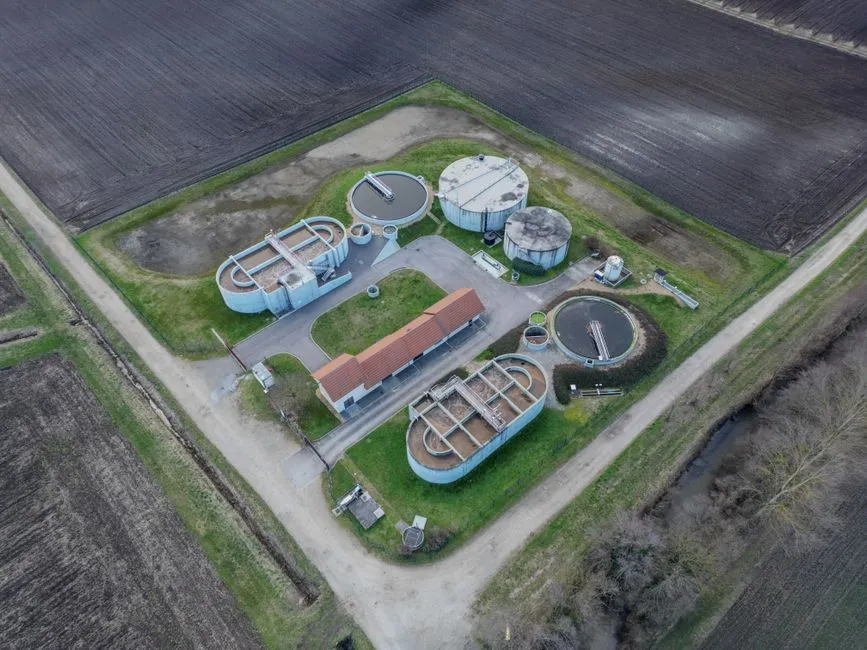
تُجري DAF الفصل على أساس الطفو لا الترسيب، وهذه الآلية هي ما يجعلها المعالجة الأولية الصحيحة لمياه الصرف الكيميائية العضوية في فوستر. يصف دليل عملية Clearwater Industries الخطوات الفيزيائية الخمس: (1) ملء الخزان بالماء النظيف، (2) تيار إعادة تدوير مضغوط عند 4–6 bar يسحب المياه المروّقة من المخرج، (3) حقن الهواء والإشباع عند ذلك الضغط، (4) إزالة الضغط داخل خزان التعويم حيث تتولد فقاعات دقيقة بحجم 30–50 μm تتكوّن على جسيمات الندف وتطفو بها إلى السطح، (5) كشط السطح إلى حوض تجميع بينما تخرج المياه المروّقة أسفل طبقة الحمأة. الأرقام التصميمية النمطية لعام 2026 لوحدة DAF: تدفق 4–300 m³/h، وزمن احتجاز هيدروليكي يتراوح بين 20–40 min، ونسبة إعادة تدوير 20–30%، ونسبة هواء إلى مواد صلبة قدرها 0.02–0.05 kg هواء لكل كيلوغرام من TSS. إن التخثير بالبوليمر قبل المعالجة ليس اختيارياً على علف من التصنيف SIC 2869 — إذ لا تستطيع DAF وحدها تعويم المونومرات الغروية أو المستحلبة دون جرعات من بولي أكريلاميد كاتيوني أو كلوريد الحديديك تُضخ عبر منصة جرعات المواد الكيميائية الأوتوماتيكية المُتحكَّم بها. الأساس الواقعي لعام 2026 هو DAF مُتحكَّم بها عبر PLC مع ضبط دقيق لدرجة الحموضة والمخثر والبوليمر، يديرها مصنع يضم مشغلين مدرَّبين — وليس خزاناً سلبياً. للحصول على وحدة مُعبأة بحجم يلائم تدفق مصنع كيميائي في فوستر، اطلعوا على نظام التعويم بالهواء المذاب.
كيف يختلف المروّق الصفائحي في معالجة المياه الكيميائية الصرف
يُجري المروّق الصفائحي الفصل على أساس الترسيب، والهندسة اللوحية المائلة هي ما يمنحه الإنتاجية التي تتيح لمصنع في فوستر استخدامه كمرحلة تلميع لا كمعالجة أولية. يحقق صف بزاوية 60° ومسافة لوحية 50–80 mm مع إعادة تدوير الحمأة معدل تحميل سطحي يتراوح بين 20–40 m/h مقارنة بـ 1–3 m/h في المروّق التقليدي (مواصفات صفائح HydropureWater) — وهذا هو السبب الهندسي الذي يجعل وحدة واحدة صغيرة المساحة قادرة على معالجة 50–500 m³/h. بالنسبة لمصنع في فوستر، صمِّموا مساحة الألواح لتدفق يبلغ 1.2× ذروة التدفق، واعملوا على إعادة تدوير الحمأة بنسبة 50–100% من التدفق الأمامي للحفاظ على سيولة طبقة الحمأة. القيد الصلب للمروّق على مظروف مياه المصنع الكيميائي هو FOG: فوق نحو 150 mg/L تقريباً، يرتفع الزيت مع طبقة الحمأة ويتسرب فوق الحوض، ولهذا السبب لا يمكن أن يحل المروّق محل DAF كمعالجة أولية على علف من التصنيف SIC 2869 في فوستر. ضعوا الصفائح في موقع المروّق الثانوي أو المُكثِّف في اتجاه التيار بعد DAF والمعادلة، لا كمعالجة أولية. للحصول على وحدة مُعبأة تناسب مصنعاً كيميائياً متوسط الحجم، اطلعوا على ورقة مواصفات المروّق الصفائحي.
مقارنة جنباً إلى جنب: DAF مقابل المروّق لمصنع كيميائيات عضوية في فوستر
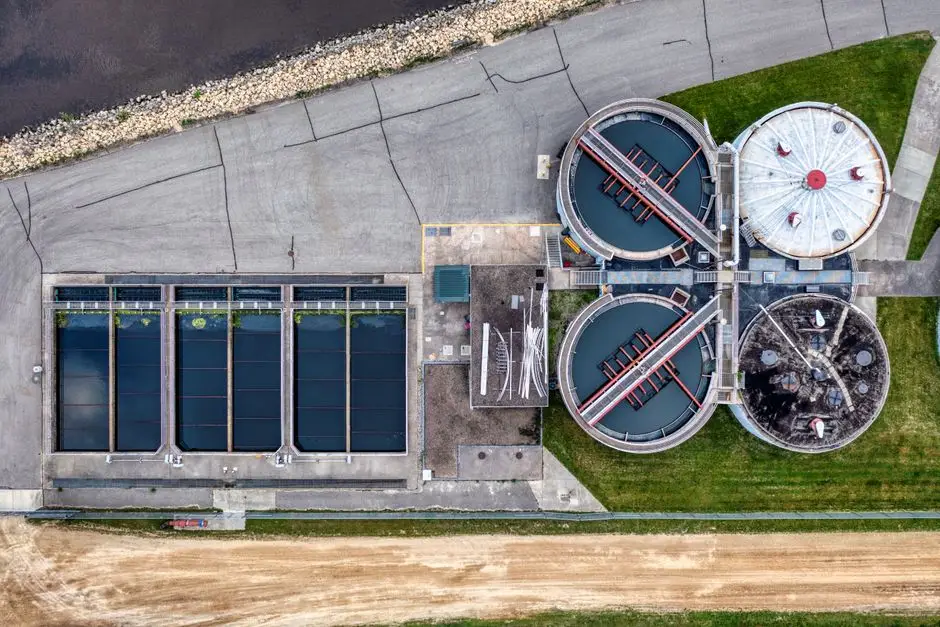
قرار الشراء يكمن في هذا الجدول. تتفوق DAF على صعيد FOG والمساحة والإطار التنظيمي (فهي المعالجة الأولية الفئوية)؛ بينما يتفوق المروّق الصفائحي على صعيد تلميع TSS، وتكاليف التشغيل، وفصل الحمأة البيولوجية. ولا يتغلب أي منهما منفرداً. يقدم دليل Ecologix للاختيار لعام 2026 الأرقام المرجعية — إزالة زيوت وشحوم بنسبة 95% في DAF مقارنة بـ 70% في المروّق على نفس تيار الأغذية، وإزالة TSS بنسبة 90% في المروّق لتيار المعادن الثقيلة — وتمثل دراسة Argonne لوكالة حماية البيئة الأمريكية عام 1978 (ANL/WR-78-2) الدليل المرجعي على أن المياه الخارجة من DAF لا تزال تحمل ذيل المركبات العضوية المتبقية بالنزرة بتركيز 10–700 ppb الذي يتعين أكسدته بيولوجياً. المعيار الواقعي بمقياس حقيقي لتصميم مجمع صناعي في فوستر هو BARHI CETP DAF (Daftech، نوفمبر 2023) — وحدة بقطر 12.2 m تعالج 670 m³/h من التدفق الصناعي المشترك، تم تسليمها في فبراير 2024. هذه الوحدة الواحدة أكبر مما يحتاجه معظم مصانع فوستر، لكنها تؤكد أن DAF بهذا الحجم ليس بالأمر الجديد.
| المحور | DAF | المروّق الصفائحي | الأنسب لـ SIC 2869 في فوستر |
|---|---|---|---|
| آلية الإزالة | الطفو (فقاعات 30–50 μm) | الترسيب (ألواح مائلة بزاوية 60°) | كلاهما على التوالي |
| إزالة FOG | 95% (Ecologix 2026) | 70% (Ecologix 2026) | DAF |
| إزالة TSS | 70–85% | نحو 90% على المواد غير القابلة للترسيب | المروّق (بعد DAF) |
| المساحة | مدمجة، نحو 50% من مساحة المروّق | ضعف مساحة DAF عند التدفق ذاته | DAF |
| رأس المال (50–500 m³/h) | USD 280–520k مُركَّبة | USD 160–340k مُركَّبة | سلسلة مشتركة |
| محرك تكلفة التشغيل | بوليمر + هواء مضغوط | أقل، نحو 30% بوليمر أقل | المروّق |
| ملاءمة 40 CFR Part 414 | أولية (تصنيف FOG/زيوت) | ثانوية / تلميع المواد الصلبة | كلاهما مطلوب |
| لا يُستخدم منفرداً | لن يدمر المركبات العضوية المتبقية بالنزرة بتركيز 10–700 ppb | لن يستوفي حد FOG فوق 150 mg/L | لا يُستخدم أي منهما منفرداً |
سلسلة العمليات الموصى بها لعام 2026: DAF ← المعادلة ← المروّق الصفائحي ← المعالجة البيولوجية
هذه هي السلسلة التي يجب وضعها على الرسم التخطيطي للأنابيب والتجهيزات P&ID لتقديم ملف امتثال لـ 40 CFR Part 414. الخطوة 1 — تركيب منخل قضباني ميكانيكي دوّار بفتات 1–3 mm قبل DAF لحماية المُشبَّع ومضخات التغذية من الخرق والمواد الصلبة للمنتج. الخطوة 2 — المعالجة الأولية بـ DAF عند ضغط إشباع 4–6 bar، وإعادة تدوير 20–30%، وزمن احتجاز هيدروليكي 20–40 min، مع تخثير مُعزز بالبوليمر؛ توقعوا إزالة FOG بنسبة 95% وTSS بنسبة 70–85% على علف فوستر. الخطوة 3 — المعادلة لمدة 24–48 h لتخفيف تذبذبات التدفق اليومية البالغة 1.5–3× وتذبذبات الحمل البالغة 2–4× الناتجة عن المفاعلات الدفعية وتغيير المنتجات؛ ويحدث ضبط درجة الحموضة إلى 6.5–7.5 هنا. الخطوة 4 — المروّق الصفائحي كتلميع للمواد الصلبة المعلقة وتكثيف للحمأة عند معدل تحميل سطحي 20–40 m/h، مع إعادة تدوير الحمأة بنسبة 50–100%. الخطوة 5 — المعالجة البيولوجية (حمأة منشطة أو MBR (مفاعل حيوي غشائي)) لتدمير ذيل المركبات العضوية المتبقية بالنزرة الذي أثبتت دراسة DAF لوكالة حماية البيئة الأمريكية عام 1978 أنه يعبر DAF؛ أضيفوا مرحلة تلميع بالكربون إذا كان الحد المحلي لـ NBC على الفينولات أو COD المتبقي صارماً. لتجفيف الحمأة من مُخرَج المروّق السفلي، حدّدوا مكبس مرشح صفيحي وإطاري للوصول إلى جفاف يتراوح بين 60 و70%.
نطاقات رأس المال والتشغيل لعام 2026 لمصنع فوستر بنطاق 50–500 m³/h
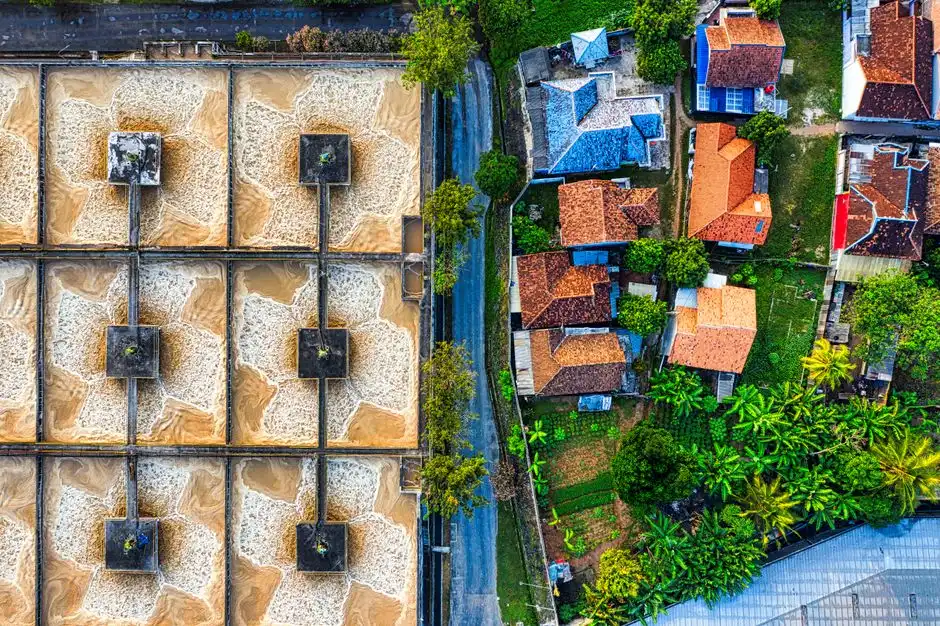
هذه حدود ميزانية معقولة لعام 2026 لمسؤول المشتريات الذي عليه وضع رقم أمام المدير المالي قبل طلب عرض أسعار من المورّد. تَرتّب DAF مُعبأة بنطاق 4–300 m³/h تكلفة رأس مال مُركَّبة قدرها USD 280–520k مع تكلفة تشغيل قدرها USD 0.18–0.42/m³ يهيمن عليها البوليمر وتكلفة الهواء المضغوط. يَرتّب المروّق الصفائحي بنطاق 50–500 m³/h تكلفة رأس مال مُركَّبة قدرها USD 160–340k مع تكلفة تشغيل قدرها USD 0.04–0.10/m³، ويستهلك نحو 30% بوليمر أقل من المروّق التقليدي عند معدل فيض ذاته. تأتي السلسلة المشتركة لـ DAF مع الصفائح بتكلفة رأس مال مُركَّبة قدرها USD 440–860k وتكلفة تشغيل قدرها USD 0.22–0.52/m³؛ وبالنسبة لمصنع غير ملتزم في فوستر، يُسترد هذا الاستثمار عادة خلال 18–36 شهراً من خلال الرسوم الإضافية المتجنبة لـ NBC وخفض تكلفة التخلص من الحمأة خارج الموقع. الحساسية المهمة: اختيار مروّق منفرد قد يوفّر 25–35% من رأس المال، لكنه يحمل احتمالاً يتراوح بين 60 و80% لحدوث انتهاك لحد FOG على علف من التصنيف SIC 2869 في فوستر، وهذه تكلفة أكبر بكثير من رأس المال الموفّر.
| الخيار | رأس المال المُركَّب (USD) | تكلفة التشغيل (USD/m³) | الاسترداد / ملاحظة المخاطر |
|---|---|---|---|
| DAF مُعبأة فقط (4–300 m³/h) | 280k–520k | 0.18–0.42 | البوليمر + الهواء المضغوط هما المهيمنان |
| المروّق الصفائحي فقط (50–500 m³/h) | 160k–340k | 0.04–0.10 | نحو 30% بوليمر أقل من التقليدي |
| سلسلة DAF + الصفائح المشتركة | 440k–860k | 0.22–0.52 | استرداد خلال 18–36 شهراً بتجنب الرسوم الإضافية |
| المروّق منفرد على علف SIC 2869 في فوستر | −25–35% مقارنة بالمشترك | أقل | احتمال 60–80% لانتهاك حد FOG |
الأسئلة الشائعة
هل يمكن لمروّق منفرد معالجة مياه صرف الصناعات الكيميائية العضوية؟
لا. يحقق المروّق الصفائحي منفرداً إزالة FOG بنحو 70% (Ecologix 2026) ويفشل في استيفاء حدود FOG الفئوية بموجب 40 CFR Part 414 على علف من التصنيف SIC 2869 في فوستر بمجرد أن يتجاوز FOG الداخل نحو 150 mg/L؛ إذ يرتفع الزيت مع طبقة الحمأة ويتسرب فوق الحوض.
لماذا تُفضَّل DAF على المروّق لإزالة الزيوت وFOG؟
تُزيل DAF نحو 95% من الزيوت والشحوم والمونومرات الطافية (Ecologix 2026) عبر ربط فقاعات دقيقة بحجم 30–50 μm بجسيمات الندف، مقارنة بـ 70% في المروّق الذي يعتمد على الترسيب بالجاذبية — وهذه الفجوة البالغة 25 نقطة هي الفارق بين الامتثال ودفع رسوم إضافية لـ NBC.
ما الحجم المناسب لـ DAF لمصنع كيميائي في فوستر بتدفق 200 m³/h؟
صُمِّموا لتدفق يبلغ 1.2× ذروة التدفق (نحو 240 m³/h) عند زمن احتجاز هيدروليكي يتراوح بين 20–40 min وإعادة تدوير 20–30%؛ وتتعامل وحدة DAF بنطاق 4–300 m³/h وضغط إشباع 4–6 bar مع هذا المظروف بنسبة 0.02–0.05 kg هواء لكل كيلوغرام من TSS.
ما لائحة عام 2026 التي تحكم تصريف منشأة من التصنيف SIC 2869 من فوستر، رود آيلاند؟
تُحدد 40 CFR Part 414 الأجزاء الفرعية A–F (الكيميائيات العضوية والبلاستيك والألياف التركيبية) معايير المعالجة الأولية الفئوية، مضافاً إليها الحدود المحلية الخاصة بـ Narragansett Bay Commission لأي منشأة تُصرّف إلى شبكة مجاري NBC.
هل يمكن استخدام DAF ومروّق معاً على نفس التيار؟
نعم — التصميم السائد لعام 2026 هو DAF أولية ← معادلة ← تلميع بالمروّق الصفائحي ← أكسدة بيولوجية، وهي تستهدف معاً FOG الطافي وTSS القابل للترسيب وذيل المركبات العضوية المتبقية بالنزرة على التوالي. للاطلاع على معالجة متوازية للسلسلة نفسها في مناخ جاف، يمكنكم مراجعة دليل DAF مقابل المروّق لمياه صرف الكيميائيات في موهافي.