لماذا تُعدّ هذه المقارنة مهمة في Ellwood City
لا يزال ممر الصناعات المعدنية في غرب بنسلفانيا — لا سيما مقاطعتا لورنس وبيفر — يحمل بقايا البناء الصناعي في تسعينيات القرن العشرين. ففي محيط Ellwood City، تعمل مصاهر ثانوية ومحلات تشطيب للفولاذ المقاوم للصدأ ومصاهر سبائس متخصصة بأحواض تهوية ومُروِّقات دائرية مُصمَّمة لنظام تصريف مختلف. وأصبحت تلك الأحواض اليوم مقيَّدةً بالبنية التحتية المدنية أكثر من علم الأحياء: فالجدران الساندة وخنادق الكابلات ووحدات الجرعات الكيميائية لا تترك أي مساحة لإضافة مُروِّق ثانٍ أو تمديد حوض التهوية. ويستهلك القطاع الصناعي نحو 22% من الإمداد العالمي للمياه، وتصل النسبة إلى 60% في الاقتصادات مرتفعة الدخل، وتعدّ التعدين من بين أعلى القطاعات استهلاكًا للطن الواحد (npj Clean Water، 2022). وفي المواقع الملوثة سابقًا، لا يكاد يكون القيد المُلزِم هو أمتار مكعبة يوميًا من التدفق القابل للمعالجة، بل الأمتار المربعة من المساحة التي يتركها الإرث المدني. ويشكّل استعراض الفصل 92 من لوائح بنسلفانيا لمكافحة التدهور وتشديد حدود تراخيص NPDES محرّكات الامتثال التي تدفع المشغّلين نحو المياه الخارجة بصلاحية لإعادة الاستخدام والصقل البيولوجي للمياه المُعادَة من التعويم. وتنيجة لذلك، تتوقف المقارنة بين MBR والحمأة المنشطة التقليدية (CAS) عن كونها تمرينًا نظريًا على المعاملات، لتصبح قرار تحديث فعليًّا حول ما إذا كانت البيولوجيا الجديدة تتناسب مع المستطيل الذي رسمه الإرث المدني القائم.
كيف يعمل MBR وCAS فعليًا على تغذية تعدينية
يعمل نظام الحمأة المنشطة التقليدي بحوض تهوية يليه مُروِّق ثانوي. وتتراوح المواد الصلبة العالقة في السائل المختلط (MLSS) بين 2,000–4,000 mg/L، ويُحفظ زمن بقاء الحمأة (SRT) عند 5–10 days — وهو طويل بما يكفي لعملية النترجة، وقصير بما يكفي لأن الكتلة الحيوية لا تزال ترسب بالجاذبية. ويشكّل المُروِّق نقطة الضعف: فهو يعتمد على التلبُّب لا على حاجز مادي، وأي اختلال في نسبة الغذاء إلى الكائنات الدقيقة (F/M) أو في درجة الحرارة أو في سُمِّية التغذية الواردة يظهر كعكر في التدفق الزائد.
يستبدل نظام MBR متكامل لمياه إعادة التعويم المُروِّق بغشاء ترشيح فائق مغمور من PVDF، عادةً بمسامية 0.1 μm. وتُحفظ الكتلة الحيوية عند MLSS يتراوح بين 8,000–12,000 mg/L وزمن بقاء حمأة يتجاوز 30 days، ويصبح الغشاء حاجزًا ماديًا مطلقًا أمام المواد الصلبة. ويُقلِّص ارتفاع MLSS من حوض التهوية لنسبة الغذاء إلى الكائنات الدقيقة نفسها، ويشكّل غياب المُروِّق أكبر مصدر وحيد لتوفير المساحة. ويُبلِغ نموذج على مستوى المصنع أجرته Mannina et al. عن انبعاثات غازات دفيئة مباشرة قدرها 0.85 kgCO₂eq/m³ لنظام CAS مقابل 0.91 kgCO₂eq/m³ لنظام MBR — وهي فجوة بيئية صغيرة لكنها حقيقية (ScienceDirect S0960852419316311).
أما مظروف الكيمياء فلا يرحم. فإجمالي المواد الصلبة الذائبة (TDS) في التغذية الواردة للتعدين يتراوح عادة بين 0.5% و5% (5,000–50,000 mg/L) في وحدات التركيز الجافة التي تُعيد بالفعل تدوير مياه العمليات (مرجع ميداني لـ MBR التعدين من HydropureWater، 2026). وتحمل التغذية نفسها بقايا كواشف التعويم — xanthate إيثيل البوتاسيوم، ومجمعات dithiophosphate (DTP)، والرغاوي — إضافة إلى Pb وZn وCu وCd المذابة بتركيزات تتغير تبعًا لجسم الخام ونظام الكواشف. وعلى كلا التقنيتين أن تصمدا أمام هذا المظروف؛ والفارق يكمن فيما تتركان خلفهما.
معاملات العملية جنبًا إلى جنب لخط تعويم سعته 1,000 m³/day
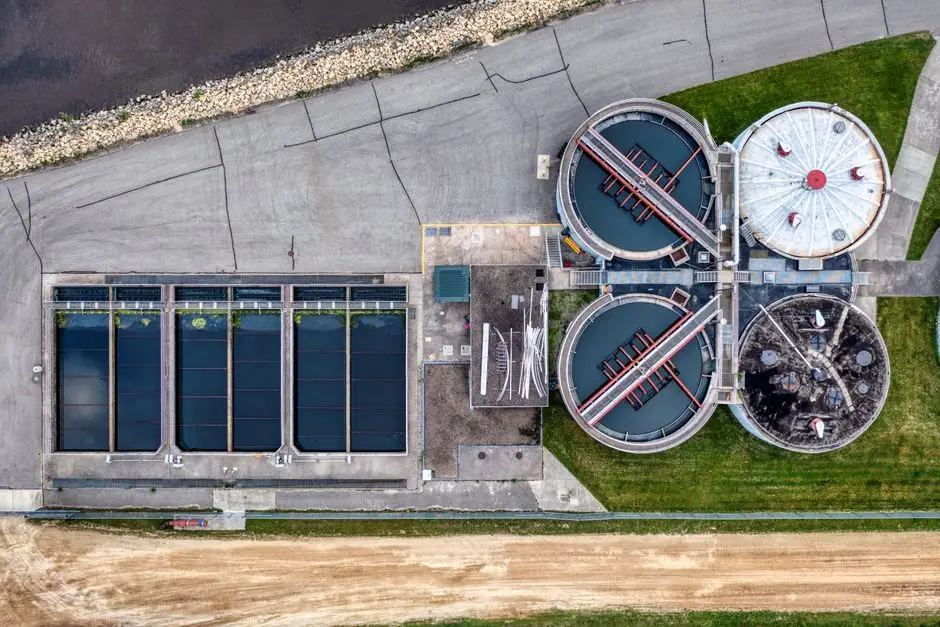
يُجمِّع الجدول أدناه أرقام التحجيم التي يحتاج إليها مهندس العمليات قبل رسم خط واحد. فالمساحة وMLSS وSRT وجودة المياه الخارجة والـ CAPEX هي الصفوف التي تحرّك اختيار المعدات؛ أما الباقي فهو تفاصيل داعمة.
| المعامل | الحمأة المنشطة التقليدية (CAS) | المفاعل الحيوي الغشائي المتكامل (MBR) |
|---|---|---|
| MLSS | 2,000–4,000 mg/L | 8,000–12,000 mg/L |
| SRT | 5–10 days | 30+ days |
| TSS في المياه الخارجة | 5–15 mg/L | <1 mg/L |
| إزالة النيتروجين الكلي (مع كربون إضافي) | 50–70% | >75% |
| إزالة المعادن الثقيلة (Pb, Zn, Cu, Cd) عند pH 6.5–7.5 | 30–60% | 70–95% |
| المساحة عند 1,000 m³/day | خط الأساس | ≈60% من CAS |
| مساحة الغشاء لكل 1,000 m³/day | — | 1,800–3,200 m² (كاسيتات سلسلة DF) |
| إنتاجية الكاسيت الواحد | — | 32–135 m³/day عند فيض 15–25 L/m²·h |
| CAPEX التركيب لكل m³/day (2026) | USD 550–1,700 (مع مرشح ثلاثي) | USD 800–2,500 متكامل |
لاختيار الموديول في خدمة التعدين، يُعَدّ موديول غشاء MBR مسطّح من سلسلة DF الخيار الافتراضي لأن TSS التغذية الواردة البالغ 500–5,000 mg/L يكون كاشطًا في الغالب. ويوفر ترشيح فائق MBR بالألياف المجوفة كثافة تعبئة أعلى لكنه لا يتفوّق إلا حين تكون التغذية قد خضعت لترشيح مسبق إلى ما دون 100 mg/L من TSS (مرجع ميداني لـ MBR التعدين من HydropureWater، 2026).
ما يفعله كل نظام بالأمور التي تهمّ Metallurgist فعليًا
نادرًا ما تكون الأرقام التي تحسم المشروع أو تخسره في قسم البيولوجيا؛ بل تكون في تقرير Metallurgist حول حمل الكواشف المتبقية والمعادن المذابة إلى خطوة العملية التالية. فعلى تغذية xanthate إيثيل البوتاسيوم بتركيز 5–20 mg/L، يحقق MBR الذي يعمل بـ SRT يتجاوز 30 days إزالة بنسبة 85–95% ويخفض الراشح إلى ما دون 1 mg/L. أما CAS المُحافَظ على SRT بين 5–10 days للحفاظ على قابلية الترسيب، فيسمح للمحلِّلات بطيئة النمو بالانغسال قبل أن تستقر، ويحمل التصريف بقايا بنصف عمر يتراوح بين 2–4 days (مرجع ميداني لـ MBR التعدين من HydropureWater، 2026).
وتحكي المعادن الثقيلة القصة ذاتها. ففي MBR، يوفر الامتصاص الحيوي على طبقة كعكة الغشاء وعلى الكتلة الحيوية نفسها إزالة بنسبة 70–95% لكل من Pb وZn وCu وCd عند تثبيت pH التغذية الواردة بين 6.5 و7.5. ويعتمد CAS على الامتصاص الحيوي ذاته على الحمأة المنشطة المُهدَرة، لكن باحتجاز أقل للكتلة الحيوية ودون كعكة غشاء، فتقع الإزالة بين 30–60%. والحل التقليدي هو الترسيب الكيميائي قبل CAS، وهو ما يضيف 3–8 kg من المواد الصلبة الخطرة الجافة لكل متر مكعب معالجة دون أن يعالج حمل الكواشف المذاب على الإطلاق (مرجع ميداني لـ MBR التعدين من HydropureWater، 2026). أما النيتروجين الكلي في التغذيات ذات نسبة C:N غير المواتية، فيدفعه MBR المدعوم بالميثانول أو الجلسرين المُهدَر من العمليات إلى ما يتجاوز 75%؛ ويحتاج CAS الجرعة ذاتها من الكربون لكن باحتجاز أقل للكتلة الحيوية للقيام بالعمل.
وقبل كلا الخطين، تُزيل وحدة التعويم بالهواء المذاب ضمن نطاق 4–300 m³/h ما بين 60–80% من الزيوت الواردة و30–50% من TSS، مما يمدِّد فترات تنظيف MBR من أسبوعية إلى شهرية ويقلل استهلاك مواد التنظيف الكيميائي (CIP) بنسبة 50–70%. وتحمي DAF نفسها مُروِّق CAS من فقْد الحمأة أثناء صدمات الحمل، لذا فإن الاختيار الأولي لا يحسم المقارنة بين التقنيتين (مرجع ميداني لـ MBR التعدين من HydropureWater، 2026). ولمعالجة أعمق للوحدة الأولية، يمكن الاطلاع على دليل اختيار DAF الأولية لمعالجة المعادن.
فحص واقع CAPEX لعام 2026
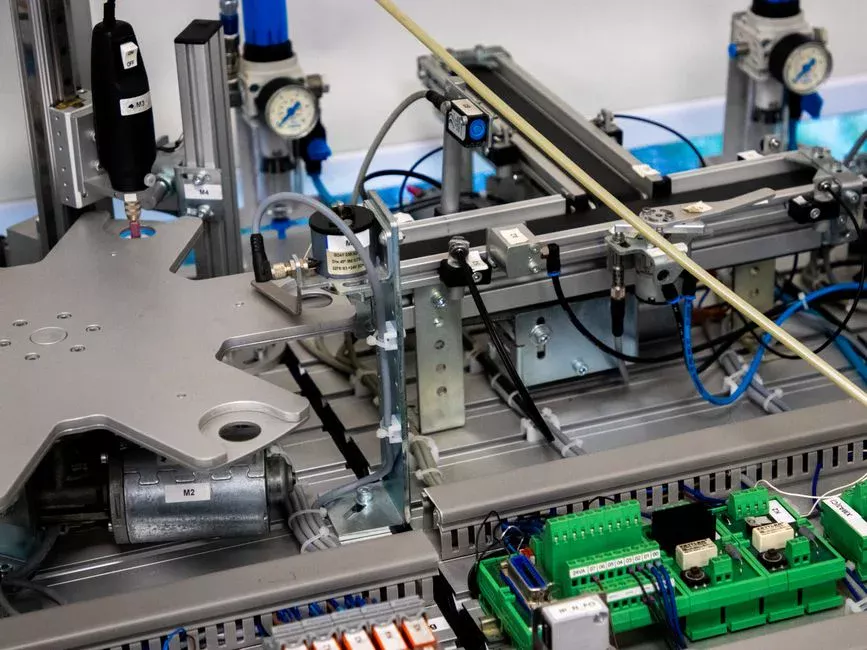
الاعتراض المعتاد من مدير المصنع هو أن MBR مكلِّف أكثر من اللازم. ورقم 2026 حقيقي: فـ MBR المتكامل يتراوح بين USD 800–2,500 لكل m³/day، مقابل USD 550–1,700 لكل m³/day لنظام CAS مع مرشح ثلاثي. وهذه علاوة تتراوح بين 30–50% على المقارنة الخالية من الأغشية (مرجع ميداني لـ MBR التعدين من HydropureWater، 2026). لكن هذا الاعتراض يفقد قوّته حين يُبنَى نطاق CAS بأمانة.
يفترض الطرف الأدنى من نطاق CAS أن الموقع يعيد استخدام حجم المُروِّق القائم ولا يحتاج مرشح وسائط ثلاثيًا قبل أي تناضح عكسي لاحق. وفي المواقع الملوثة سابقًا، تفشل هذه الافتراضات في الغالب. فعادةً ما يحتاج جانب CAS إلى: أعمال مدنية جديدة أو مُجدَّدة للمُروِّق، ووحدة جرعات بوليمر، ومرشح رمل أو وسائط قبل أي BWRO، وميزانية أعلى للكلور أو المبيد الحيوي مدفوعةً بـ TSS التصريف البالغ 5–15 mg/L بدلًا من دون 1 mg/L في MBR. ويضع استعراض MDPI عام 2022 لـ MBRs في معالجة المياه المنتجة التهوية عند 36–68% من مصاريف تشغيل MBR، يهيمن عليها الغسل بالفقاعات الخشنة عبر الموديولات المسطَّحة، وهو أقل بمقدار 10–20× من طاقة تهوية الأغشية في تشكيلة التدفق المتقاطع الخارجي (مرجع ميداني لـ MBR التعدين من HydropureWater، 2026). كما تحرّك المرحلة اللاحقة الميزان: فـ نظام RO صناعي لمياه تخفيف الطحن يعمل على راشح MBR عند TDS يتراوح بين 5,000–20,000 mg/L باسترداد 70–85%؛ أما تصريف CAS عند TSS يتراوح بين 5–15 mg/L، فيحتاج عادةً مرشح رمل أو وسائط أوّلًا، وهذا المرشح يَحُتّ من ميزة المساحة في CAS جزئيًّا.
| أساس النطاق | CAPEX لـ CAS (% من MBR) | CAPEX لـ MBR (USD/m³/day، 2026) |
|---|---|---|
| CAPEX خالٍ من الأغشية فقط | ≈70% | 800–2,500 |
| CAS + مرشح ثلاثي + أعمال مدنية + جرعات بوليمر | 85–95% | 800–2,500 |
| نظير لنظير (MBR + مدني + معالجة أولية لـ BWRO) | — | 800–2,500 |
وحين يُبنَى نطاق المقارنة نظير لنظير، تنغلق فجوة MBR المتوقَّعة بنحو النصف. ويصبح OPEX حينئذ المحادثة التالية: فيجب تحجيم التهوية ومواد CIP للغشاء واستبدال الغشاء كل 7–12 سنة ضمن تدفق نقدي على 20 سنة، لا رقمًا يقتصر على CAPEX.
متى يبقى CAS هو الخيار الصحيح
يجب على دليل أمين لعام 2026 أن يسمّي الحالات التي يظل فيها CAS هو الرابح. وتتكرر أربعة سيناريوهات في مواقع التعدين والمعادن القائمة.
حجم مُروِّق قائم مع عمر خدمة متبقٍّ يزيد عن 20 سنة. إذا كان المُروِّق الثانوي سليمًا ولا توجد زيادة في التدفق، يصعب تبرير إعادة تأهيل حوض التهوية إلى MBR على أساس CAPEX وحده. ونادرًا ما يغطي مكسب OPEX من إلغاء الترشيح الثلاثي تكلفة قسم أغشية جديد.
TDS تغذية واردة دون 5,000 mg/L دون هدف إعادة استخدام في حلقة مغلقة. لا تُعدّ مزايا إزالة المعادن الثقيلة والكواشف في MBR ضرورية بعد. وسيفي CAS المضبوط جيدًا مع منطقة محدِّدة وناشرات فقاعات دقيقة باشتراط NPDES المعتاد، ويبقى التكلفة التشغيلية أدنى بكثير من MBR.
تجمع مشغِّلين بلا تدريب على CIP للأغشية. يجعل ضعف الانضباط في CIP حصة 36–68% لتهوية OPEX في MBR تبدو صغيرة بجانب استبدال الأغشية غير المخطط. وتتطلب إدارة الأغشية انضباطًا أسبوعيًّا في دورات الاسترخاء وعمليات التنظيف التعويضي وتتبّع العكر اللحظي — وهي مجموعة مهارات مختلفة عن تشغيل المُروِّق.
لا توجد صقل RO لاحق. تُهدَر ميزة MBR بأقل من 1 mg/L من TSS إذا ما أُرسلت المياه الخارجة إلى حوض صقل أو تصريف منظَّم بدلًا من إعادتها إلى مياه العمليات. ادفع ثمن البيولوجيا التي تحتاجها، لا البيولوجيا التي يمكن أن تمتلكها.
في أي من هذه الحالات الأربع، يحقق تحديث CAS القائم — بإضافة منطقة محدِّدة وناشرات فقاعات دقيقة ووحدة جرعات بوليمر — قيمة أكبر لكل دولار مقارنةً بـ MBR جديد. وينطبق المنطق ذاته على المواقع التي تقارن MBR بالمفاعلات الحيوية ذات القاعدة المتحركة في مظروف مختلف؛ وتُعَدّ مقارنة MBR مقابل MBBR لإعادة الاستخدام والعكر مرجعًا مجاورًا مفيدًا لإطار عبء المشغِّل.
قائمة اختيار صباح الإثنين لـ Ellwood City
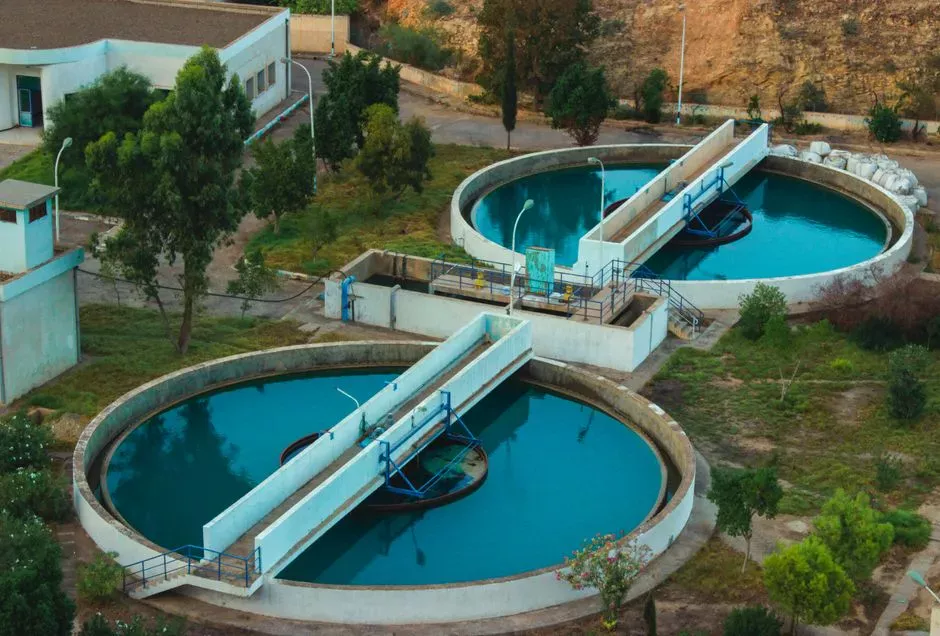
نفِّذ هذه الخطوات الخمس قبل الزيارة الموقعية التالية. وتأخذ يومًا واحدًا ببيانات العمليات القائمة، وتحوِّل خيار التقنية المتنازَع عليه إلى توصية قابلة للدفاع.
- تأكَّد من مظروف التغذية. اسحب قيم TDS وبقايا xanthate/DTP وPb/Zn/Cu/Cd المذابة من آخر 90 يومًا لاختبار التغذية الواردة. ارفض MBR إذا ظل TDS دون 5,000 mg/L باستمرار ولا يوجد هدف إعادة استخدام.
- قِس المظروف المدني. تجوَّل في الجدران الساندة وخنادق الكابلات والعمر المتبقي للمُروِّق. يفوز MBR المتكامل حين لا توجد مساحة لإضافة مُروِّق ثانٍ؛ وإذا كان المستطيل متاحًا، فلا يزال لـ CAS طريق.
- تأكَّد من الخطوة اللاحقة. إذا خُطِّط لـ BWRO باسترداد 70–85% لمياه تخفيف الطحن، فراشح MBR هو التغذية الصحيحة. وإن لم يكن، فتصريف CAS إلى حوض صقل كافٍ.
- دقِّق في كفاءة المشغِّل. تأكَّد من تدريب CIP للأغشية وانضباط التحكم في التهوية ومراقبة MLSS. وفي حال غاب ذلك، فاعتمد تحديث CAS خيارًا افتراضيًّا.
- ابنِ CAPEX نظير لنظير. أَدْرِج المرشح الثلاثي والأعمال المدنية وجرعات البوليمر والمعالجة الأولية لـ BWRO في جانب CAS قبل مقارنة الرقمين.
على خط مياه إعادة تعويم بسعة 500–1,000 m³/day في Ellwood City، يفوز نظام MBR متكامل مُحجَّم لهذا المظروف في الخطوتين 2 و3 عادةً؛ وإن أخفق في أي منهما، تنحسر قضية MBR إلى تحديث CAS برقم واضح للإدارة.
الأسئلة الشائعة
ما مدى صغر حجم MBR المتكامل مقابل CAS على خط تعدين سعته 500–1,000 m³/day؟
يشغل MBR المتكامل نحو 60% من مساحة خط CAS المُكافئ عند الإنتاجية ذاتها، ويأتي التوفير مدفوعًا بـ MLSS البالغ 8,000–12,000 mg/L وبإلغاء المُروِّقات الثانوية (بيانات ميدانية لـ MBR المتكامل من HydropureWater، 2026). وفي موقع Ellwood City الملوَّث سابقًا والمُحاصَر بجدران ساندة من تسعينيات القرن العشرين، غالبًا ما يشكّل استرداد المساحة البالغ 40% الفارق بين تحديث قابل للتنفيذ وتوسعة في موقع جديد.
ما CAPEX الذي ينبغي وضعه في الميزانية لخط مياه إعادة تعويم بـ MBR أو CAS في 2026؟
في 2026، يتراوح MBR المتكامل بين USD 800–2,500 لكل m³/day من السعة المركَّبة، ويتراوح CAS مع الترشيح الثلاثي بين USD 550–1,700 لكل m³/day. ويفترض الطرف الأدنى لـ CAS إعادة استخدام المدني القائم للمُروِّق وعدم وجود معالجة أولية لـ BWRO؛ وحين تُحسَب هذه البنود، يقع CAS عند 85–95% من CAPEX لـ MBR في نطاق نظير لنظير (مرجع ميداني لـ MBR التعدين من HydropureWater، 2026).
ما مدى جودة إزالة MBR لبقايا xanthate والمعادن الثقيلة المذابة مقارنةً بـ CAS؟
يُزيل MBR عند SRT يتجاوز 30 days ما بين 85–95% من بقايا xanthate وDTP، منتقلًا بـ xanthate إيثيل البوتاسيوم من 5–20 mg/L في التغذية إلى ما دون 1 mg/L في الراشح. وتقع إزالة المعادن الثقيلة لكل من Pb وZn وCu وCd عند 70–95% في pH 6.5–7.5، مقابل 30–60% لـ CAS، الذي يحتاج عادةً ترسيبًا كيميائيًّا قبله ويُفوِّت حمل الكواشف المذاب (مرجع ميداني لـ MBR التعدين من HydropureWater، 2026).
ما جودة المياه الخارجة التي ينتجها MBR لتناضح عكسي لاحق؟
يقع TSS في راشح MBR دون 1 mg/L، وهو التغذية الصحيحة لـ RO للمياه قليلة الملوحة تعمل باسترداد 70–85%. وينتج عن دمج MBR ونظام RO صناعي لمياه تخفيف الطحن راشح TDS دون 500 mg/L، صالح لإعادة استخدام الطحن أو تعويض الرش الكومبي (مرجع ميداني لـ MBR التعدين من HydropureWater، 2026). أما تصريف CAS عند TSS بين 5–15 mg/L، فيحتاج عادةً مرشح رمل أو وسائط إضافيًّا قبل RO لحماية الأغشية من التلبُّد.
متى يظل CAS هو الخيار الأفضل مقارنةً بـ MBR لموقع تعديني؟
يظل CAS هو الرابح حين يمتلك الموقع حجم مُروِّق قائمًا مع عمر خدمة متبقٍّ، ويبقى TDS التغذية الواردة دون 5,000 mg/L، ولا توجد صقل RO لاحق، ويكون تجمع المشغِّلين بلا تدريب على CIP للأغشية. وفي هذه الحالات، يحقق تحديث CAS القائم بإضافة منطقة محدِّدة وناشرات فقاعات دقيقة وجرعات بوليمر قيمة أكبر لكل دولار من MBR جديد (مرجع ميداني لـ MBR التعدين من HydropureWater، 2026).