DAF مقابل المروّق لمياه الصرف في التعدين والمعادن في جينيفا لعام 2026
بالنسبة لمصانع التعدين والمعادن في جينيفا بالولايات المتحدة لعام 2026، اختاروا نظام DAF عندما يحمل التيار طينًا ناعمًا، أو هيدروكسيدات معدنية، أو زيوتًا، أو جسيمات أصغر من 100 µm — إذ يحقق نظام DAF عادةً إزالة للمواد الصلبة العالقة تتراوح بين 90–97% في مساحة صغيرة. واختاروا المروّق (ويفضل المروّق الصفيحي lamella) عندما يهيمن على التيار ركام خشن سريع الترسب ويتجاوز التدفق الإجمالي ~200 m³/hr، حيث يمكن للتثاقل بالجاذبية أن يضاهي أداء DAF في إزالة المواد الصلبة العالقة بمصاريف كيميائية وطاقة تشغيلية أقل. وتنتهي معظم منشآت جينيفا إلى تشغيل نظام هجين: مروّق صفيحي أولي، ثم DAF للتلميع، ثم ترسيب كيميائي للمعادن الذائبة بموجب 40 CFR 437 (تعدين الخام وتجهيزه) أو 40 CFR 433 (تشطيب المعادن)، مع تطبيق قانون Alabama ADEM Admin. Code ch. 335-6-6 لإذن التصريف في المياه السطحية فوق تلك الإرشادات الفيدرادية للمياه المعالجة الخارجة.
لم يعد الخيار الافتراضي في عطاءات EPC لمنطقة جينيفا لعام 2026 مقتصرًا على DAF فقط أو المروّق فقط. فموردو المعدات ومهندسو المنشآت يحددون خطًّا هجينًا لأن مياه الدخول إلى جينيفا نادرًا ما تكون أحادية النمط: مياه غسل المحاجر تحمل ركامًا خشنًا وطينًا في الوقت نفسه الذي تضيف فيه خطوط المعادن المصنّعة مواد تشحيم، وتكتّلات هيدروكسيد معدنية، وآثارًا من معادن ذائبة. يزيل نظام HydropureWater DAF المصمم لهذا الغرض، والمركّب في اتجاه التيار التالي لمروّق HydropureWater الصفيحي، ما نسبته 90–97% من المواد الصلبة العالقة و60–80% من COD في مرحلة التلميع (مواصفات DAGYEE/WWW، 2026)، مع تدفقات مثبتة تتراوح من وحدات تجريبية بسعة 5 m³/hr إلى وحدات فئة Sigma بسعة 1,000 m³/hr (H2Flow، 2026).
كيف تبدو مياه الصرف في التعدين والمعادن في جينيفا فعليًا
تتعامل منشآت التعدين والمحاجر والمعادن المصنّعة في منطقة جينيفا مع ثلاث فئات جسيمية متميزة في يوم واحد، وترتبط كل فئة بوحدة معالجة مختلفة.
الركام الخشن والرمل. يتولد عن غسل الركام، وجريان الكسارات، ومناطق غسل الشاحنات أجزاء رملية أكبر من 200 ميكرومتر تترسب في ثوانٍ. ويتولى فاصل الرمل-الطين أو مروّق أولي التعامل معها بتكلفة منخفضة — على سبيل المثال، زوّدت NWPX Geneva منشأة في عام 2025 بفاصل رمل-طين سعة 5,000-gallon بالإضافة إلى فاصلَي مياه-زيت ومحطتَي رفع لمنظومة استرجاع حوض غسل تعدين الفوسفات (NWPX Geneva، 2025-08). وتعمل المنخل الدوار GX قبل المروّق على حماية المضخات اللاحقة من الخرق والركام الكبير.
الطينات الناعمة، وهيدروكسيدات المعادن، والمواد الصلبة العالقة الأصغر من 100 ميكرومتر. هذه هي الجسيمات التي تربك المروّق: إذ يقل سرعة ترسبها عن 1 m/hr، وتحمل Fe وMn وAl وAs مُدمصًا. ويعمل نظام DAF على تعويمها بوساطة غطاء من الفقاعات الدقيقة بمعدلات تحميل سطحي هيدروليكي (HSR) لا يستطيع المروّق بلوغها.
الزيوت، ومواد التشحيم، وكواشف التعويم. تضيف أعمال صيانة المعدات داخل الموقع ومواد التبريد في تشطيب المعادن زيتًا حرًا ومستحلبًا. وتحقق أنظمة DAF على تيارات الأغذية والزيوت إزالة للدهون والزيوت بنسبة 95% مقابل 70% للمروّقات على التغذية نفسها (تحديث Ecologix، 2026).
المعادن الذائبة (Pb، Zn، Cu، Ni). لا يلامس نظام DAF ولا المروّق الأنواع الذائبة فعليًا. وللوفاء بمتوسطات الحدود الشهرية لمعيارَي 40 CFR 437 أو 40 CFR 433، يُعد تعديل الأس الهيدروجيني والترسيب أمرًا إلزاميًا — عادةً الترسيب بالهيدروكسيد أو الكبريتيد مع مُرسب بوليمري قبل نظام DAF.
مبادئ عمل DAF والمروّق جنبًا إلى جنب
يُشبع نظام DAF تيار إعادة تدوير بنسبة 20–30% بالهواء عند ضغط لا يقل عن 5 bar (وعادةً ضغط تشبع 5–7 bar وفق معايير اختيار DAGYEE، 2026) ثم يحرره عبر فوهات هندسية داخل خزان التعويم. وتلتصق الفقاعات الناتجة التي يتراوح قطرها بين 10–50 µm بالجسيمات المُخثّرة أو المُتكتّلة، فترفعها إلى السطح حيث يزيل كاشطة تعمل بتيار معاكس المادة الطافية (H2Flow، 2026). وتترسب الجسيمات القابلة للترسب الثقيل في قمع مدمج؛ بينما تخرج المياه المروّقة من أسفل طبقة المادة الطافية (wastewatermachinery، 2026).
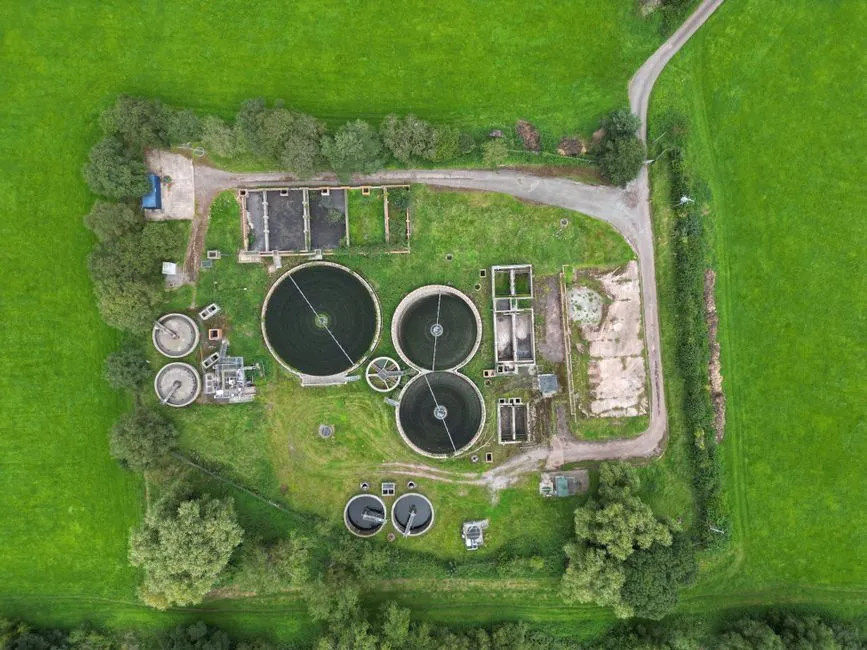
يعتمد المروّق — التقليدي أو الصفيحي — على الجاذبية وحدها. يقوم المروّق الصفيحي بترتيب ألواح مائلة بزاوية 55–60° داخل خزان مستطيل، مما يضاعف مساحة الترسب الفعالة بعدد الألواح. وتعد معدلات التحميل السطحي البالغة 2–5 m³/m²·hr شائعة على التيارات التعدينية، وتدفع حزمة الألواح المصممة تصميمًا سليمًا إلى معدل HSR فعّال قدره 20–40 m³/m²·hr لأن كل لوح يتصرف كمروّق ضحل مستقل (مواصفات منتج HydropureWater، 2026).
يعد HSR الرافعة التصميمية الوحيدة التي تحسم المساحة. يعمل نظام DAF عادةً بمعدل HSR أقل من الجاذبية، غير أن الفقاعات تؤدي معظم العمل بدلًا من مساحة الخزان — لذلك تكون مساحة DAF عادةً أصغر بمقدار 3–5× من مساحة مروّق تقليدي بنفس التدفق، بينما يضيق المروّق الصفيحي تلك النسبة إلى 1.5–2×. كما تختلف طبيعة الحمأة: فالحمأة الطافية من DAF تصل إلى 2–5% مواد صلبة جافة وتتجفف بسهولة على مكبس ترشيح لوحي وإطاري؛ أما التدفق السفلي للمروّق فغالبًا ما يكون 1–2% مواد صلبة جافة وقد يحتاج إلى تكثيف إضافي قبل الكبس.
مقارنة أداء DAF والمروّق لمنشآت جينيفا
يلخص الجدول التالي الأرقام المباشرة التي ينبغي لمهندس جينيفا تثبيتها على جدار مراجعة العطاء. وتأتي قيم TSS وFOG والمعادن في صورة تكتّل من دراسات حالة منشورة للموردين (Ecologix 2026؛ H2Flow 2026؛ DAGYEE 2026)؛ أما نسب المساحة والمصاريف التشغيلية فتمثل نطاقات هندسية نموذجية للوحدات الصناعية المتوسطة.
| محور المقارنة | التعويم بالهواء المذاب (DAF) | المروّق (تقليدي أو صفيحي) |
|---|---|---|
| كفاءة إزالة المواد الصلبة العالقة | 90–97% (DAGYEE، 2026؛ H2Flow، 2026) | 70–90% على تيارات الرواسب التعدينية (Ecologix، 2026) |
| إزالة الدهون والزيوت FOG | ~95% على التيارات الزيتية (Ecologix، 2026) | ~70% على التغذية نفسها (Ecologix، 2026) |
| المعادن الثقيلة في صورة تكتّل عالق | قوي — ترفع الفقاعات تكتّل هيدروكسيد المعدنية إلى السطح | متوسط — لا يترسب إلا التكتّل الكثيف بما يكفي للتغلب على التيار الصاعد |
| المعادن الذائبة (Pb، Zn، Cu، Ni) | لا تُزال — تستلزم تعديل الأس الهيدروجيني + ترسيبًا | لا تُزال — تستلزم تعديل الأس الهيدروجيني + ترسيبًا |
| المساحة عند 50 m³/hr | ~30 m² (DAF-050، 8.4 × 3.6 m) | ~60–90 m² تقليدي، ~40–55 m² صفيحي |
| محركات المصاريف التشغيلية | مضخة التشبع، ضاغط الهواء، بوليمر | بوليمر فقط؛ طاقة أقل |
| نطاق التدفق المُثبت | 5–1,000 m³/hr (H2Flow Alpha حتى Sigma، 2026) | يتدرج بكفاءة أعلى من 200 m³/hr؛ والصفيحي مدمج دون ذلك |
| المواد الصلبة الجافة في الحمأة | حمأة طافية 2–5% مواد صلبة جافة (H2Flow، 2026) | تدفق سفلي 1–2% مواد صلبة جافة |
بالنسبة لتيار في جينيفا يمزج بين 50–70% جسيمات ناعمة وزيوت وهيدروكسيدات معدنية، فإن عمودَي TSS وFOG يحسمان الجدل. ويُعدّ نظام HydropureWater DAF بعد المروّق الصفيحي من HydropureWater هو خط المعالجة الافتراضي لعام 2026.
تحجيم نظام DAF لمنشأة تعدين أو معادن في جينيفا
استخدموا جدول مواصفات DAGYEE / wastewatermachinery المنشور (2026) كاختصار للتحجيم، ثم تحقّقوا منه عبر عائلة طرازات H2Flow. وتغطي أربع فئات تدفق معظم المصانع المتوسطة في جينيفا:
| طراز DAF | التدفق (m³/hr) | المساحة الطول × العرض (m) | الوزن التشغيلي (kg) | المدخل / المخرج | ملاحظات |
|---|---|---|---|---|---|
| DAF-020 | 20 | 5.9 × 3.2 | 22,000 | DN150 / DN150 | وحدة تجريبية / خط صغير |
| DAF-050 | 50 | 8.4 × 3.6 | 55,000 | DN200 / DN150 | محجر متوسط + معادن خفيفة |
| DAF-100 | 100 | 12.1 × 4.2 | 110,000 | DN300 / DN250 | وحدتا DAF-050 على التوازي أيضًا شائع |
| فئة Sigma (H2Flow) | 500–1,000 | هندسي | هندسي | DN400+ | ركام كبير / مقياس طحن |
قواعد الاختيار القياسية من معايير اختيار DAGYEE (2026): حافظوا على ضغط التشبع عند ≥5 bar، وجهّزوا مضخة إعادة التدوير بمحرك تردد متغير (VFD) لتخفيف التدفق، واستخدموا الأجزاء المبللة من SS316 في أي مياه تعدين تحتوي على كلوريدات أو كبريتيدات، أو في تيارات تشطيب المعادن ذات كيمياء الشطف القوية. يتطابق نظام HydropureWater DAF مع المظروف DAF-020 حتى DAF-100 أعلاه، ويُسلّم مزوّدًا بنظام تحكم PLC، وخزان تشبع، ومضخة إعادة تدوير، وفوهات إطلاق الهواء في وحدة واحدة متكاملة.
سيناريو جينيفا لعام 2026: منشأة ركام ومعادن بسعة 50 m³/hr
منشأة جينيفا افتراضية: 50 m³/hr من مياه غسل المحاجر مدمجة مع مياه شطف تشطيب المعادن الخفيف، مع استهداف المشغل للوصول إلى TSS أقل من <30 mg/L وحدود معادن 40 CFR 433 قبل التصريف إلى POTW في جينيفا بموجب تصريح المياه السطحية لـ ADEM.
خط المعالجة رباعي المراحل الموصى به:
- المنخل الدوار — منخل دوار GX بفتحات 6 mm لإزالة الخرق والركام الكبير قبل المروّق الصفيحي.
- المروّق الصفيحي — الركام الأولي والمواد الصلبة الخشنة، تحميل سطحي 2–5 m³/m²·hr، يخفض TSS في مياه الدخول من نحو 800–1,500 mg/L إلى 150–300 mg/L.
- وحدة DAF (فئة DAF-050) — تكتّل مُهيّأ بالبوليمر، تحميل سطحي هيدروليكي 5–10 m³/m²·hr، يخفض TSS إلى 15–30 mg/L ويرفع FOG إلى أقل من <10 mg/L.
- الترسيب الكيميائي / تعديل الأس الهيدروجيني — نظام الجرعات الكيميائية الآلي من HydropureWater يغذّي NaOH أو الجير حتى pH 9–9.5 للترسيب بالهيدروكسيد للمعادن الذائبة Cu وZn وNi وPb قبل مرشح التلميع أو المروّق النهائي.
المساحة: تشغل وحدة DAF-050 وحدها نحو 30 m²؛ ويستوعب خط المعالجة الكامل مع خزانات الجرعات الكيميائية، وخزن الحمأة، ووحدة بوليمر صغيرة، منصة معدات بمساحة 200–250 m². ويمكن تجفيف الحمأة الطافية من DAF عند 2–5% مواد صلبة جافة على مكبس ترشيح لوحي وإطاري للوصول إلى كيك بنسبة 25–35%، مما يخفض تكلفة النقل بأكثر من 70%+ (H2Flow، 2026). وتؤكد حالة حوض الغسل في جينيفا — فاصل الرمل-الطين سعة 5,000-gallon من NWPX Geneva + فاصلَا مياه-زيت + محطتا رفع (NWPX Geneva، 2025-08) — المنطق ذاته المتمثل في: ركام ثم زيت ثم إعادة تدوير، وذلك عند فئة تدفق مختلفة.
التكلفة، والمساحة، والامتثال: كيف تختارون في 2026
النفقات الرأسمالية: تحمل وحدة DAF نظام تشبع، وضاغطًا، وقوة دافعة للكسّاحة، وPLC لا يحملها المروّق الأساسي — لذلك يصل سعر DAF المماثل بنسبة 20–40% فوق سعر المروّق التقليدي في عروض عام 2026. ويُغلق حزمة الألواح الصفيحية معظم هذه الفجوة لأن الخزان نفسه يصبح أصغر. وتميل المصاريف التشغيلية لصالح المروّق على أساس $/m³ صرف (لا مضخة تشبع، هواء أقل، لا دورة عمل للضاغط)، لكن DAF يفوز في إجمالي تكلفة الامتثال حينما تؤدي إزالته الأعلى إلى إلغاء خطوة تلميع لاحقة أو تجنب تجاوز تصريح.
الامتثال هو الرافعة التي تحسم عطاء جينيفا عادةً. إذا كان حد تصريح ADEM صارمًا — TSS أقل من <30 mg/L أو معادن إجمالية أقل من <1 mg/L — فإن إزالة TSS البالغة 90–97% التي يحققها نظام HydropureWater DAF هي أرخص تأمين ضد إشعار المخالفة. وحيثما تكون مياه الدخول في معظمها ركامًا خشنًا بمعدل يتجاوز >200 m³/hr، يكون المروّق الصفيحي من HydropureWater هو المرحلة الأولية الصحيحة، وغالبًا يُقترن بتلميع DAF وترسيب حينما توجد جسيمات ناعمة ومعادن أيضًا.
قاعدة القرار لعام 2026: حتى 200 m³/hr من مياه الصرف الدقيقة أو الزيتية → DAF؛ أكثر من >200 m³/hr من ركام خشن سريع الترسب → مروّق صفيحي؛ تيارات مختلطة أو مُنظّمة → هجين صفيحي + DAF + ترسيب. ويظهر المنطق ذاته في دليل DAF مقابل المروّق لمياه الصرف التعدينية في South Weber، ودليل DAF مقابل المروّق لمياه الصرف التعدينية في Webster، ودليل DAF مقابل المروّق لمياه الصرف التعدينية في Huntsville، ودليل DAF مقابل المروّق لمياه الصرف للمعادن المصنّعة في Springfield.
الأسئلة الشائعة
أيّهما أفضل لمياه الصرف التعدينية، DAF أم المروّق؟
بالنسبة للجسيمات الناعمة، والزيت، وهيدروكسيدات المعادن الأصغر من 100 ميكرومتر، يُعد DAF الخيار الأقوى (إزالة TSS بنسبة 90–97% في مساحة ~30 m² عند 50 m³/hr). أما بالنسبة للركام الخشن الأكبر من 200 ميكرومتر عند تدفق يتجاوز >200 m³/hr، فيضاهي المروّق الصفيحي أداء DAF في TSS بمصاريف تشغيلية أقل. وتعمل معظم منشآت جينيفا في 2026 بمنظومة هجينة: مروّق صفيحي أولي، DAF للتلميع، وترسيب للمعادن الذائبة.
ما مقدار إزالة TSS الذي يمكن لـ DAF تحقيقه على المياه الخارجة من التعدين؟
90–97% على تغذية تعدينية مُتكتّلة بشكل سليم، وفق DAGYEE (2026) وH2Flow (2026). وعادةً ما يخفض ذلك TSS الداخل الذي يتراوح بين 800–1,500 mg/L إلى 15–30 mg/L — أي تحت معظم سقوف تصاريح المياه السطحية لـ ADEM.
هل يزيل المروّق المعادن الثقيلة؟
لا يزيل إلا المعادن المرتبطة فعلًا بجسيمات قابلة للترسب. أما Pb وZn وCu وNi الذائبة فتمر عبر المروّقات وأنظمة DAF على حدٍ سواء. ويُعد تعديل الأس الهيدروجيني إلى 9–9.5 مع الترسيب بالهيدروكسيد أو الكبريتيد ضروريًا للوفاء بمتوسطات الحدود الشهرية لمعيارَي 40 CFR 437 أو 40 CFR 433.
ما قاعدة EPA التي تنطبق على منشأة تعدين أو معادن في جينيفا؟
معيار 40 CFR 437 (تعدين الخام وتجهيزه) لتيارات التعدين والركام والمعادن، ومعيار 40 CFR 433 (تشطيب المعادن) لمياه الصرف من الشطف والطلاء، مع تطبيق قانون Alabama ADEM Admin. Code ch. 335-6-6 لتصريح تصريف المياه السطحية لمنطقة جينيفا فوق تلك الإرشادات الفيدرادية للمياه المعالجة الخارجة.
كم يبلغ تكلفة نظام DAF لمنشأة بسعة 50 m³/hr؟
وحدة من فئة DAF-050 بالإضافة إلى نظام التشبع، وPLC، ووحدة بوليمر تقع عادةً في نطاق ستة أرقام منخفضة بالدولار الأمريكي بعد التركيب في عام 2026. ويكون المروّق الصفيحي عند التدفق نفسه أرخص بنسبة 20–40% في المعدات، لكن أكثر تشكيلة شيوعًا في جينيفا لعام 2026 هي خط المعالجة الهجين — صفيحي + DAF + ترسيب — لأنه التشكيل الوحيد الذي يضمن الوصول إلى TSS أقل من <30 mg/L ومعادن أقل من <1 mg/L على تغذية تعدين/معادن مختلطة.