لماذا عادت مسألة DAF مقابل المروّق إلى الواجهة في دورتشستر
تُلزم اللائحة الفيدرالية 40 CFR Part 437 (Ore Mining and Dressing) حدودًا قصوى يومية ومتوسطات شهرية للمياه المعالجة الخارجة من حيث إجمالي المواد الصلبة العالقة، وإجمالي الرصاص والزنك والنحاس والحديد القابلة للاسترداد، إضافةً إلى نطاق للأس الهيدروجيني pH يتراوح بين 6.0–9.0 لأي تصريف إلى مياه الولايات المتحدة (وفقًا لـ 40 CFR 437.30–437.32, 2025). أما بالنسبة لمواقع التعدين وتشطيب المعادن في منطقة دورتشستر ضمن ممر روافد Lower Mills وSouth Bay، فإن هذه الحدود تنطبق الآن على مياه داخلة لا تكاد تشبه الإطلاق تيار تجهيز الأغذية الغني بالدهون FOG الذي تفترضه معظم مقالات اختيار DAF — إذ تحمل هذه المياه كثافات عالية من ركام Fe(OH)₃ وAl(OH)₃ وMn(OH)₂، إضافةً إلى دقائق السيليكا والمغنتيت وكمية متقطعة من الزيت الطافي. وثمة ضغط ثانٍ في عام 2026 مرتبط بالدورة الرأسمالية: إذ يعود جزء كبير من المخزون التشغيلي من المروّقات على الممر الصناعي في دورتشستر إلى سبعينيات القرن العشرين، بينما أدت أهداف إعادة استخدام المياه في دائرة مغلاقة مدفوعة بمعايير ESG إلى نقل ملف الاستبدال من بند صيانة إلى قرار رأسمالي على مستوى مجلس الإدارة. إن منطق القرار ذاته لعام 2026 ينطبق بالفعل على المقارنة المماثلة بين DAF والمروّق لمياه الصرف في التعدين بمنطقة Conroe، TX لعام 2026، لكن دورتشستر تضيف قيدًا متعلقًا بأيام التدفئة في نيو إنجلاند مما يغير هامش تصميم DAF، فضلًا عن ارتفاع تكاليف البناء على الممر الصناعي الحضري الكثيف الذي يعيد ترجيح علاوة CAPEX. نادرًا ما يكون الجواب الصحيح قائمًا على تكنولوجيا واحدة بمفردها — إذ ستعمل معظم خطوط دورتشستر في 2026 بنظام DAF كمعالجة أولية لتجريد الدهون FOG والدقائق الغروية، مع lamella كمرحلة صقل للوصول إلى نطاق المعادن والمواد الصلبة العالقة TSS وفقًا لـ 40 CFR 437، وعادةً ما تشترط موافقة المعالجة المسبقة من MassDEP أن يكون هذا النظام الهجين مدرجًا في ملف MassDEP قبل أن يسمح قسم المشتريات بإصدار أمر الشراء PO.
كيف يعمل نظام DAF فعلًا في تنقية مياه الصرف من التعدين
يتم سحب المياه المُصفّاة من مخرج DAF، وضغطها حتى نحو 6 bar (87 psi)، وإشباعها بالهواء داخل وعاء إشباع معبأ؛ وعند إزالة الضغط داخل خزان التعويم إلى الضغط الجوي، يتحرر الهواء المذاب على شكل فقاعات دقيقة بحجم 30–50 µm (وفقًا لـ S1، S5). تلتصق هذه الفقاعات الدقيقة بركام كيميائي مكيف وترفعه إلى السطح، حيث يدفع الكاشط المواد الطافية إلى حوض الحمأة؛ وتخرج المياه المُصفّاة أسفل طبقة المواد الطافية، بينما تستقر المواد الصلبة الثقيلة القابلة للترسيب في حجرة الرواسب السفلية (وفقًا لـ S1). يقدم نظام التعويم بالهواء المذاب عند تشغيله بصورة صحيحة إزالة تتجاوز 90% لكل من TSS، وFOG، وCOD، وBOD في هذه الفئة التشغيلية (per S5, S4)، كما يمكنه التقاط المعادن الجسيمية والسيليكا الغروية عندما تكون كيمياء المعالجة الأولية مناسبة. وتتضمن المخثرات عادةً كلوريد البولي ألومنيوم PAC، أو كلوريد الحديديك، أو الشب، مقترنةً بمُرسب البوليمر الأنيوني بتركيز 1–5 mg/L — وبدون هذا التكييف، تمر الفقاعات الدقيقة دون أن تعلق بالدقائق الغروية ويتراجع أداء الوحدة بصرف النظر عن حجم الخزان (per S1, S4). أما بالنسبة لموقع المعادن في دورتشستر، فإن خطوة التخثر الأولية هي أيضًا المرحلة التي يجب فيها ضبط الأس الهيدروجيني pH إلى نطاق 8.0–9.0 لترسيب المعادن الثقيلة المستهدفة قبل وصولها إلى خلية DAF.
كيف يختلف المروّق Lamella من حيث الآلية والمساحة الأرضية
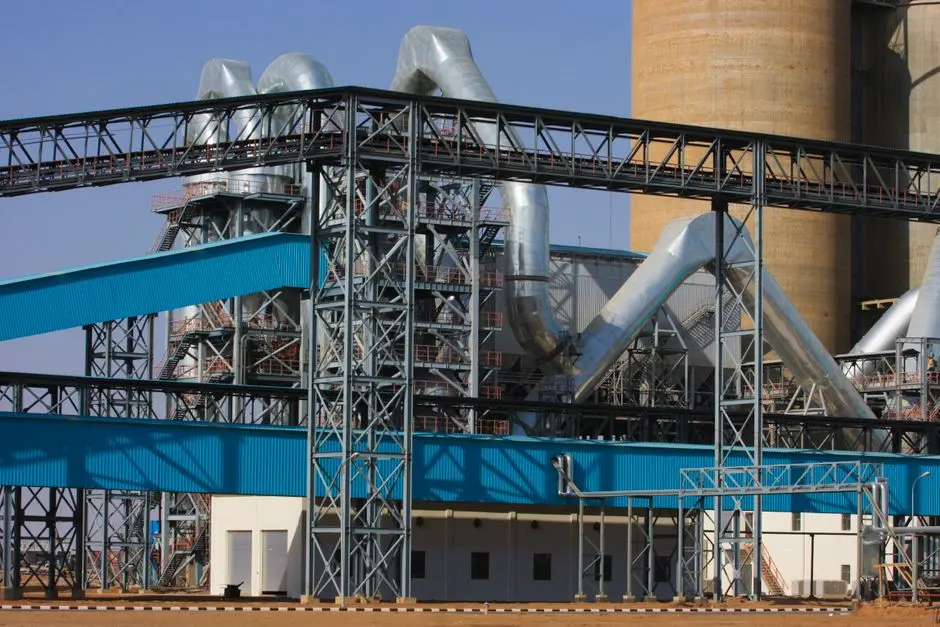
يكدّس مروّق Lamella (المرسب ذو الألواح المائلة أو خزان الترسيب عالي المعدل) ألواحًا مائلة داخل خزان مدمج، مما يضاعف مساحة الترسيب الفعلي، فيرتفع التحميل السطحي إلى 20–40 m/h وتنخفض المساحة بنحو مرتبة قياس واحدة مقارنةً بالمروّق التقليدي عند التدفق ذاته (per S1, HydropureWater P10). أما المروّق التقليدي بالجاذبية فهو خزان مستطيل أو دائري كبير يعمل بتحميل سطحي لا يتجاوز 1–2 m/h، ولهذا السبب تصل بصمته إلى 5–8 m² لكل m³/h (per S1). تتضمن تصاميم Lamella كثيرة حلقة إعادة تدوير الحمأة التي تعيد حقن الحمأة المترسبة لملامسة المياه الداخلية الطازجة، مما يخفض استهلاك المُخثر بما يصل إلى 30% (per S1, HydropureWater P10). يصل تركيز المواد الصلبة في تيار Lamella السفلي إلى 2–5%، مقابل 4–8% في المواد الطافية من DAF، ولذا يجب أن يتوافق حجم تجفيف الحمأة في المراحل اللاحقة مع طبيعة التيار الفعلي. يقدم مرجع خزان الترسيب عالي الكفاءة (مروّق Lamella) نطاق التحميل السطحي 20–40 m/h الذي يجعل عمود Lamella تنافسيًا في المقام الأول، وعند 250–300 m³/h تكفي 8–9 m² من مساحة الألواح لمركز تركيز التاكونيت داخل مساحة لا يستطيع DAF مجاراتها إلا بإضافة مرحلة صقل فوقها.
ثلاث قواعد تحدد أي الآليتين تتفوق
قاعدة كثافة الركام، وقاعدة الدهون FOG، وقاعدة الطقس البارد هي محاور القرار الثلاثة التي يستطيع مدير المشتريات أو مالك المنشأة تطبيقها دون الحاجة إلى إعادة إجراء اختبارات معملية. أولًا، قاعدة كثافة الركام: الركام المكيف كيميائيًا بكثافة نوعية تزيد عن 1.05 يستقر بسهولة ويرجّح كفة المروّق؛ ونفس الركام، بعد تكييفه بالبوليمر، يلتصق أيضًا بإحكام بالفقاعات الدقيقة بحجم 30–50 µm، ولذا يعمل كلا الخيارين عند ضبط الكيمياء بشكل صحيح (per S1, S4). ثانيًا، قاعدة الدهون FOG: الزيوت والشحوم الحرة لا تستقر خلال زمن المكوث داخل المروّق — إذ تخرج مع الفائض — ولذا فإن أي تحميل من FOG يجب معالجته في المرحلة الأولية أو في خطوة صقل. ثالثًا، قاعدة الطقس البارد: تتباطأ حركية nucleate للفقاعات الدقيقة بنسبة 20–30% عند 5°C مقارنةً بـ 20°C، ولذا يُستحسن إضافة هامش تصميم قدره 10–15% على مضخة التدوير العكسي ووعاء الإشباع للمنشآت التي تعمل طوال شتاء دورتشستر (per S1, HydropureWater field data, 2026). ويُعد منظومة الجرعات الكيميائية الأوتوماتيكية الأداة العملية للحفاظ على أيٍّ من النظامين ضمن نافذة التصميم في مواجهة تقلّب المياه الداخلية.
| القاعدة | شرط التشغيل | المرجّح | هامش تصميم 2026 |
|---|---|---|---|
| كثافة الركام | ركام هيدروكسيد مكيف بكثافة نوعية SG >1.05 | Lamella (مروّق) | تحميل سطحي للألواح 20–30 m/h لركام Fe(OH)₃ / Al(OH)₃؛ و10–15 m/h لدقائق السيليكا الناعمة |
| FOG | زيت حر/مستحلب >25 mg/L | DAF أولي، Lamella صقل | تيارات زيت القطع 50–200 mg/L تستلزم DAF كمعالجة أولية |
| الطقس البارد | مياه داخلة <10°C خلال الشتاء | DAF بهامش أو قبو Lamella مُدفّأ | هامش تصميم 10–15% على مضخة التدوير ووعاء الإشباع (per HydropureWater field data, 2026) |
| تقلّب المياه الداخلية | تذبذب TSS بأكثر من الضعف خلال وردية | أيٌّ من النظامين مع جرع أوتوماتيكي | الحفاظ على جرعة PAC/البوليمر في حدود ±10% من نقطة الضبط |
مقارنة جنبًا إلى جنب: DAF وLamella والمروّق التقليدي على تيار التعدين
تُعيد الجداول أدناه ترتيب معايير تيار هيدروكسيد المعادن الكثيف — لا القيم الافتراضية لتيار FOG في تجهيز الأغذية — إلى الصفوف التي يسأل عنها قسم المشتريات فعليًا. تتراوح نسبة إزالة TSS بواسطة DAF لركام Fe(OH)₃ / Al(OH)₃ الكثيف بين 90–95% (per S5, food plant reference 95% on oils; comparable on metal-hydroxide floc per S4)، مع معامل CAPEX يتراوح بين 1.5–2.5x مقارنةً بـ Lamella مماثل (HydropureWater field data, 2026) ومساحة أرضية لا تتجاوز 0.2–0.4 m² لكل m³/h. أما Lamella فيبلغ 0.3–0.6 m² لكل m³/h، أي نحو نصف مساحة DAF، ويعمل بمحرك الكاشط والكيمياء مع توفير يصل إلى 30% في المُخثر عبر إعادة تدوير الحمأة، وينخفض فيه خطر الطقس البارد — بشرط تدفئة قمع الحمأة، لأن التجمّد هو نمط الفشل، لا حزمة الألواح نفسها. أما المروّق التقليدي عند 5–8 m² لكل m³/h فنادرًا ما يمثل إجابة عام 2026 في المواقع الحضرية القديمة في دورتشستر حيث يكون كل متر مربع من المبنى مكلفًا.
| المعيار | DAF | مروّق Lamella | مروّق تقليدي بالجاذبية |
|---|---|---|---|
| إزالة TSS (ركام Fe(OH)₃ / Al(OH)₃ الكثيف) | 90–95% | 85–92% | 80–90% |
| معامل CAPEX (Lamella = 1.0x) | 1.5–2.5x | 1.0x | 0.7–0.9x للمعدات، لكن بتكلفة مدنية/مبانٍ ضخمة |
| المساحة (m² لكل m³/h) | 0.2–0.4 | 0.3–0.6 | 5–8 |
| الطاقة (kWh/m³) | 8–15 (ضاغط + تدوير) + كيمياء | محرك كاشط + كيمياء (توفير يصل إلى 30% عبر إعادة تدوير الحمأة) | محرك كاشط + كيمياء؛ الحجم الأكبر يعاقب تجفيف الحمأة لاحقًا |
| الأداء في الطقس البارد (<10°C) | متوسط — تباطؤ nucleate الفقاعات؛ هامش تصميم 10–15% | خطر تجمّد منخفض في القبو المُدفّأ؛ حزمة الألواح متسامحة | منخفض — خطر تجمّد مماثل، قبو أكبر، فقد حراري أعلى |
| جفاف المواد الطافية/التيار السفلي | مواد طافية 4–8% DS — تجفيف أسهل | تيار سفلي 2–5% DS | تيار سفلي 1–3% DS |
| أفضل توافق مع طبيعة التيار | FOG، زيت مستحلب، دقائق غروية، ركام خفيف | ركام هيدروكسيد ثقيل قابل للترسيب، تدفق عالٍ، دون زيت | منشآت قديمة، أحواض ترسيب كبيرة جدًا |
مطابقة CAPEX والمساحة وتكلفة البناء لتيار قدرته 100 m³/h في دورتشستر
النسبة الرئيسية لعام 2026: يبلغ CAPEX معدات DAF ما بين 1.5–2.5x مقارنةً بـ Lamella مماثل عند التدفق ذاته (per S1, HydropureWater field data, 2026). وتضيق هذه النسبة سريعًا بمجرد إضافة الأعمال المدنية والحفر وتكاليف البناء المرتبطة بالمساحة، لأن Lamella عند 0.3–0.6 m² لكل m³/h أقل بكثير في تكاليف الإيواء من مروّق تقليدي بالجاذبية عند 5–8 m² لكل m³/h، في حين أن DAF عند 0.2–0.4 m² لكل m³/h أكثر اختصارًا. وبالنسبة لتيار مرجعي قدرته 100 m³/h، فإن الفرق يبلغ نحو 30 m² من مساحة DAF مقابل 600 m² من مساحة المروّق التقليدي (per S1, HydropureWater field data, 2026). وبتكلفة بناء في الممر الصناعي في نيو إنجلاند (مدفّأ، ومطابق للمواصفات، ويضم غرفة كيماويات وحوض لمضخة الحمأة)، فإن هذا الفارق البالغ 570 m² يتجاوز عادةً علاوة المعدات — ولهذا تظهر علاوة CAPEX لـ DAF بأكبر صورة في المواقع الباردة الواسعة المساحة، وتضيق إلى أدنى مستوياتها في المواقع الحضرية القديمة في دورتشستر حيث يكون كل متر مربع من المبنى مكلفًا.
| تيار مرجعي 100 m³/h | DAF | Lamella | مروّق تقليدي |
|---|---|---|---|
| مساحة المعدات (m²) | ~30 | ~45 | ~600 |
| معامل CAPEX للمعدات | 1.5–2.5x | 1.0x | 0.7–0.9x |
| محرك تكلفة المبنى/القبو | الأدنى | منخفض | مسيطر — يقود المشروع |
| نطاق الحفر / الأعمال المدنية | أدنى | متوسط | رئيسي — خوازيق، أساس حصيرة، قبو كبير |
| إجمالي التكلفة المركّبة في موقع حضرى قديم في دورتشستر | تنافسي بمجرد إضافة تكلفة البناء | خط الأساس | الأعلى في الممر الحضري الكثيف |
OPEX: الطاقة، المُخثر، وجفاف المواد الطافية
تستخدم كلتا التقنيتين المُخثر والبوليمر؛ ويحقق Lamella توفيرًا يصل إلى 30% في المُخثر عبر إعادة تدوير الحمأة (per S1, HydropureWater P10)، لكن DAF ينتج طبقة طافية أكثر كثافة (4–8% DS) يسهل تجفيفها في مكبس الترشيح downstream (per S1). وتمثل ضاغط الهواء ومضخة التدوير في DAF بنودًا حقيقية على الميزانية — عادةً ما بين 8–15 kWh لكل m³ معالجة — لكنها تكلفة معروفة وقابلة للتوسيع وليست طارئة (per S1). أما محرك الكاشط في المروّق التقليدي فلا يستهلك سوى ~0.1–0.3 kWh/m³، لكن حجم الخزان الأكبر وحجم الحمأة الأكبر يعاقبان تجفيف الحمأة downstream (per S1). ويحافظ منظومة الجرعات الكيميائية الأوتوماتيكية على ثبات الجرعة في مواجهة تقلّب المياه الداخلية، حتى لا ينحرف أيٌّ من النظامين عن نافذة التصميم. ويُعد مكبس الترشيح ذو الإطار والصفائح المُركّب في المرحلة اللاحقة والمُصمَّم إما للمواد الطافية من DAF (4–8% DS) أو للتيار السفلي من Lamella (2–5% DS) ثاني عنصر يجعل نطاق التكلفة لعام 2026 قابلًا للدفاع أمام قسم المشتريات.
ثلاثة سيناريوهات في دورتشستر وما الذي يحققه كل منها
السيناريو 1 — مركز تركيز الحديد أو التاكونيت، تدفق 250 m³/h، دون زيت. يحمل التيار تركيز 1,500–3,000 mg/L من TSS على شكل ركام Fe(OH)₃ إضافةً إلى دقائق المغنتيت، دون زيت طافي. التدفق والكثافة يرجّحان كفة Lamella عالي المعدل كمعالجة أولية بتحميل سطحي قدره 30 m/h، بما يستلزم نحو 8–9 m² من مساحة الألواح؛ ولا تُبرَّر خطوة صقل DAF إلا إذا بدأ ورشة صيانة أو محطة غسيل شاحنات تُسهم بدهون FOG بشكل متقطع. المياه الخارجة المتوقعة وفق 40 CFR 437: يمكن الوصول إلى TSS <30 mg/L باستخدام Lamella وحده؛ وتُضبط المعادن عند خطوة الترسيب الأولية (وفقًا للحدود اليومية القصوى لـ 40 CFR 437 للرصاص Pb والزنك Zn والنحاس Cu والحديد Fe). هذه هي الجهة المرجّحة لـ Lamella في الطيف، وتُعدّ حالة أدنى CAPEX للمعدات في دورة 2026.
السيناريو 2 — مصفاة معادن مختلطة مع مستحلبات زيت القطع، تدفق 80 m³/h. يتراوح تيار مياه العمليات المجمعة بين 100–300 mg/L من TSS، مع رواسب النحاس والزنك، إضافةً إلى 50–200 mg/L من زيت القطع المستحلب القادم من ورشة الصيانة. ويُعد DAF غير قابل للتفاوض كمعالجة أولية — إذ سيُفرغ المروّق الزيت المستحلب مباشرةً إلى مخرج NPDES ويُسقط نطاق 40 CFR 437 للمياه المعالجة الخارجة من حيث الزيت والشحوم فضلًا عن TSS. ويلي ذلك Lamella صغير كصقل لبقايا TSS لإعطاء هامش أمان ضد الحدود اليومية القصوى للمعادن. يقع تدفق 80 m³/h في النطاق المتوسط على نظام التعويم بالهواء المذاب القياسي دون تكلفة هندسة مخصصة — وهذه هي التركيبة الهجين القابلة للدفاع أمام المشتريات والمُتمثلة في "DAF أولي، Lamella صقل" التي تتوافق مع توقعات ملف MassDEP ونطاق 40 CFR 437 في الوقت ذاته.
السيناريو 3 — نزح مياه منجم نحاس منخفض التدفق (<20 m³/h) في الطقس البارد. تصريف حوض تجميع قدره 15 m³/h يعمل بشكل متقطع طوال شتاء دورتشستر. يبدأ ويتوقف skid DAF مدمج في غضون دقائق ويستوعب تقلّب المياه الداخلية؛ أما Lamella داخل قبو غير مدفّأ فيتعرض لخطر التجمد في قمع الحمأة ويصعب عزله حراريًا. تنعكس علاوة CAPEX الأعلى لوحدة DAF في صورة جاهزية تشغيلية، ويُعد هامش تصميم 10–15% للطقس البارد على مضخة التدوير ووعاء الإشباع هو التفصيل الهندسي الذي يحافظ على تشغيل الوحدة وفق المواصفات طوال شهر يناير (per S1, HydropureWater field data, 2026). ولإطار المعالجة المسبقة المجاور على التيارات الحاملة للمعادن، يرجى الاطلاع على دليل الامتثال للمعالجة المسبقة لعام 2026 لمنشآت التعدين والمعادن، كما تتناول مقالة مقارنة DAF بالمروّق لمياه صرف المعادن المُصنّعة في Sharon لعام 2026 موقعًا نظيرًا في نيو إنجلاند.
الأسئلة الشائعة
هل تُلزم اللائحة 40 CFR 437 باستخدام DAF أو مروّق لمياه الصرف في التعدين والمعادن؟
لا تُلزم اللائحة صراحةً بأيٍّ من التقنيتين، لكنها تضع حدودًا قصوى يومية ومتوسطات شهرية لـ TSS، وإجمالي الرصاص والزنك والنحاس والحديد القابلة للاسترداد، إضافةً إلى نطاق pH يتراوح بين 6.0–9.0 لأي تصريف إلى مياه الولايات المتحدة. ويمكن لوحدة DAF أو Lamella مصمّمة بشكل مناسب، بالاقتران مع الترسيب الكيميائي، الوفاء بهذه الحدود، وتعمل كثير من المنشآت في الولايات المتحدة بنظام DAF أولي مع Lamella صقل كهامش أمان ضد نطاق الحدود اليومية القصوى (وفقًا لـ 40 CFR 437.30–437.32).
ما التحميل السطحي الذي ينبغي تصميم مروّق Lamella له على تيار هيدروكسيد معادن كثيف؟
بالنسبة لركام Fe(OH)₃ أو Al(OH)₃ الكثيف، صمّموا على أساس 20–30 m/h على المساحة المسقّطة لحزمة الألواح؛ أما بالنسبة لدقائق السيليكا الناعمة أو ركام منخفض الكثافة، فاخفضوا التحميل إلى 10–15 m/h. نطاق 20–40 m/h المنشور مخصص لركام هيدروكسيد نظيف ومكيّف جيدًا فقط، ويُعد تجاوز 30 m/h على تيار مصفاة معادن مختلطة السبب الأكثر شيوعًا في 2026 لاختراق TSS (per S1, HydropureWater P10).
هل يستطيع DAF العمل طوال شتاء دورتشستر دون تجمد أو فقدان للأداء؟
نعم، لكن ينبغي عزل أو تتبع حراري لوعاء الإشباع وخط التدوير. تتباطأ حركية nucleate للفقاعات الدقيقة بنحو 20–30% عند 5°C مقارنةً بـ 20°C، ولذا يُستحسن إضافة هامش تصميم قدره 10–15% على مضخة التدوير وحجم وعاء الإشباع للمنشآت التي تعمل طوال شتاء دورتشستر (per S1, HydropureWater field data, 2026).
هل يستطيع مركز تركيز التاكونيت العمل بـ Lamella وحده دون مرحلة DAF؟
نعم — تعمل كثير من مراكز تركيز التاكونيت بنظام Lamella فقط كترسيب أولي على تيارات خالية من FOG. ولا تُضاف خطوة صقل DAF إلا إذا بدأت دقائق غروية في الاختراق أو إذا أضاف تصريف ورشة صيانة زيوتًا متقطعة لا يستطيع Lamella التقاطها (per S1).
ما مدى صغر حجم DAF مقارنةً بالمروّق التقليدي عند التدفق ذاته؟
تبلغ مساحة DAF عند 0.2–0.4 m² لكل m³/h نحو عُشر مساحة مروّق الجاذبية التقليدي الذي يبلغ 5–8 m² لكل m³/h، ونحو نصف مساحة Lamella عند التدفق ذاته. وبالنسبة لتيار قدرته 100 m³/h، فإن الفرق يبلغ 30 m² من مساحة DAF مقابل 600 m² من مساحة المروّق (per S1, HydropureWater field data, 2026).