لماذا تُعيد مصانع التعدين في فيربانكس طرح سؤال DAF مقابل المروّق في عام 2026
تُلزم لوائح 40 CFR 437 (تعدين وإعداد الخامات) حدودًا قصوى يومية ومتوسطات شهرية للمياه المعالجة الخارجة من حيث إجمالي المواد الصلبة العالقة، والرصاص القابل للاسترداد الكلي، والزنك، والنحاس، والحديد، بالإضافة إلى نطاق pH يتراوح بين 6.0 و9.0، وذلك لأي تصريف إلى مياه الولايات المتحدة (وفقًا لـ 40 CFR 437.30–437.32). وفي موقع فيربانكس، تُضاف هذه الحدود الفيدرالية فوق متطلبات إدارة البيئة في ألاسكا 18 AAC 72 الخاصة بتصريف مياه الصرف، والتي تعتمد معايير المعادن وTSS الفيدرالية بالإحالة وتضيف قواعد خاصة بألاسكا للرصد ومنع التدهور ومناطق الخلط للتصريفات إلى مياه الولاية. وبالنسبة لمركز تاكونيت أو ذهب أو متعدد المعادن يخطط لاستبدال مروّق أولي في عام 2026، فإن ذلك يعني أن الوحدة يجب أن تحقق الحدّ الأشدّ من الإطارين التنظيميين، وليس الفيدرالي فقط.
ما يجعل موقع فيربانكس مختلفًا عن نظيره في كونرو أو فينيكس هو حساب المناخ. تتراوح درجات الحرارة المحيطة في فصل الشتاء من نوفمبر إلى مارس عادة بين -25°C و-40°C، ويبقى المنبع الواصل إلى مبنى المعالجة عند نحو 0–4°C، وغالبًا دون 0°C عند خروجه من خط العملية. وتستمر الأرض المتجمدة من أكتوبر إلى مايو، لذا فإن الحفر وتركيب البيابيب تحت الأرض وخطوط الحمأة المدفونة جميعها تتحمل علاوة إذابة التربة الصقيعية التي لا تظهر في عرض أسعار تكساس. كما يتزامن المحفز الرأسمالي مع عام 2026: فكثير من المروّقات العاملة في مصانع ألاسكا الداخلية يعود تاريخها إلى السبعينيات، وقد أصبحت أهداف إعادة استخدام المياه في حلقة مغلقة المدفوعة بمعايير ESG تجعل من الاستبدال قرارًا على مستوى مجلس الإدارة بدلاً من أن يكون بند صيانة (بيانات ميدانية من HydropureWater، 2026). ولم تتغير ضغوط الامتثال ورأس المال، لكن حساب المناخ البارد يميل الآن بالاختيار في اتجاه لا يلتقطه أدب المناخ الدافئ.
كيف تعمل وحدات DAF ومروّقات Lamella فعليًا على تيار تعديني
تعوم وحدة التعويم بالهواء المذاب (DAF) بالمواد الصلبة باستخدام فقاعات مجهرية متولدة من تيار إعادة التدوير المضغوط. يُسحب الماء المروّى من مخرج DAF، ويُضغط إلى نحو 6 bar (87 psi)، ويُشبع بالهواء في وعاء تشبع محشو. عندما يُخفض ضغط تيار إعادة التدوير المشبع عوديًا إلى الضغط الجوي داخل خزان التعويم، يخرج الهواء المذاب من المحلول على شكل فقاعات بحجم 30–50 µm. تلتصق هذه الفقاعات بالندف المكثف كيميائيًا وترفعه إلى السطح، حيث يكاسحة كاشط إلى حوض الحمأة; ويخرج الماء المروّى تحت غطاء التعويم، فيما تستقر المواد الصلبة القابلة للترسب الثقيلة في قسم الرواسب السفلي. ويتراوح أداء الإزالة لـ DAF في هذه الفئة الخدمية فوق 90% لـ TSS وFOG وCOD وBOD (وفقًا لبيانات Clearwater/Sigmadaf، 2026)، كما أن الوحدة تلتقط المعادن الجسيمية والسيليكا الغروية عند ضبط الكيمياء upstream. وتشمل المخثرات عادة كلوريد البولي ألومنيوم (PAC) أو كلوريد الحديديك أو الشب، مع مادة تندف بوليمرية أنيونية بتركيز 1–5 mg/L; وبدون هذا التكييف، تمر الفقاعات المجهرية متجاوزةً النعومة الغروية ويقل أداء DAF.
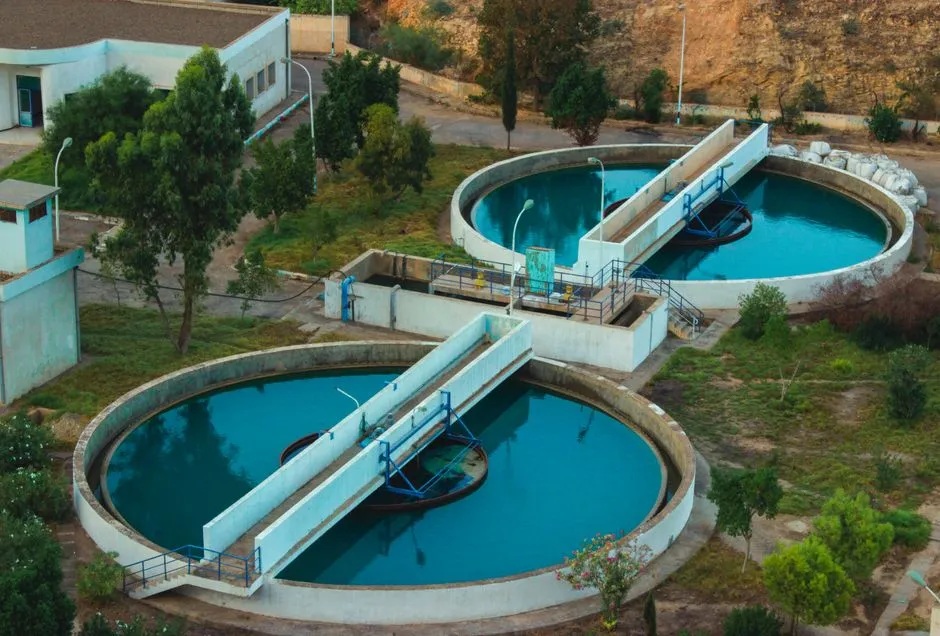
يكدّس مروّق Lamella (المعروف أيضًا بالمُرسّب ذو الألواح المائلة أو خزان الترسب عالي المعدل) ألواحًا مائلة داخل خزان مدمج. تضاعف الألواح مساحة الترسب الفعالة، لذا يرتفع التحميل السطحي إلى 20–40 m/h وينخفض المساحة بنحو رتبة حجمية مقارنة بمروّق تقليدي عند التدفق ذاته. المروّق التقليدي بالجاذبية عبارة عن خزان مستطيل أو دائري كبير يعمل بتحميل سطحي لا يتجاوز 1–2 m/h، ولهذا تصل بصمته إلى 5–8 m² لكل m³/h. تتضمن كثير من تصاميم Lamella حلقة إعادة تدوير للحمأة تعيد حقن الحمأة المستقرة لملامسة المنبع الطازج، مما يقلل استهلاك المخثر حتى 30% (بيانات ميدانية من HydropureWater، 2026). أما بالنسبة لندف Fe(OH)₃ وAl(OH)₃ والمغنتيت الكثيفة دون زيت حر، فإن هذه الآلية تنافس DAF في عرض أسعار 2026، لكنها تعجز عن التقاط الزيت المستحلب، وقمع الحمأة هو الجزء الذي يفشل أولًا عندما تنخفض الحرارة المحيطة دون -20°C.
جدول المعاملات: DAF مقابل Lamella مقابل المروّق التقليدي (مواصفات 2026)
| المعامل | DAF | مروّق Lamella | مروّق تقليدي |
|---|---|---|---|
| ضغط التشبع | ~6 bar (87 psi) | غير متاح | غير متاح |
| حجم الفقاعة المجهرية | 30–50 µm | غير متاح | غير متاح |
| التحميل السطحي | محكوم بالحركية | 20–40 m/h | 1–2 m/h |
| المساحة لكل m³/h | 0.2–0.4 m² | 0.3–0.6 m² | 5–8 m² |
| إزالة TSS لندف Fe(OH)₃ / Al(OH)₃ الكثيفة | 90–95% | 85–92% | 70–85% |
| التقاط FOG | >90% | ضعيف (فيض) | ضعيف (فيض) |
| استهلاك الطاقة | 8–15 kWh/m³ | ~0.1–0.3 kWh/m³ | ~0.1–0.3 kWh/m³ |
| جفاف الحمأة | تعويم 4–8% DS | تدفق سفلي 2–5% DS | تدفق سفلي 1–3% DS |
| هامش الطقس البارد المطلوب (شتاء فيربانكس) | 30–40% على مضخة إعادة التدوير ووعاء التشبع | تتبع حراري مستمر على قمع الحمأة | تتبع حراري مستمر على قمع الحمأة |
| مضاعف CAPEX (Lamella = 1.0x) | 1.5–2.5x | 1.0x | 0.7–0.9x قبل الأعمال المدنية |
ثلاث قواعد اختيار تحسم الفائز في فيربانكس لعام 2026
ثمة ثلاث قواعد تحكم أي آلية تفوز في مشروع فيربانكس لعام 2026، إضافة إلى قاعدة رابعة خاصة بالمواقع شبه القطبية. أولًا، قاعدة كثافة الندف: الندف من Fe(OH)₃ أو Al(OH)₃ المكثف كيميائيًا بكثافة نوعية تتجاوز 1.05 يستقر بسهولة ويُرجّح المروّق; والندف ذاته، بمجرد تكثيفه بالبوليمر، يلتصق أيضًا بقوة بفقاعات مجهرية بحجم 30–50 µm، لذا يصلح أيهما حين تكون الكيمياء مضبوطة. ثانيًا، قاعدة FOG: أي زيت حر أو مستحلب في التيار يُلزم باستخدام DAF كأساس، لأن زمن المكوث في المروّق لا يلتقط الزيت الحر وسيخرج التيار في الفيض. ثالثًا، قاعدة الطقس البارد: هامش التحجيم المنشور البالغ 10–15% عند 5°C يقلل من تقدير واقع فيربانكس. عند منبع دون الصفر، تبطؤ حركية نواتج الفقاعات المجهرية بحدة أكبر مما يوحي به منحنى المناخ الدافئ، لذا فإن هامش 30–40% على مضخة إعادة التدوير ووعاء التشبع هو الخيار الهندسي المحافظ (بيانات ميدانية من HydropureWater، 2026).
القاعدة الرابعة هي قاعدة فيربانكس وليست عامة: تكلفة الأساسات فوق التربة الصقيعية تميل بإجمالي التكلفة المركبة لصالح DAF مدمج على هيكل فوق سطح الأرض بدلًا من Lamella مدفونة أو في بيابيب. إن مساحة المروّق التقليدي البالغة 5–8 m² لكل m³/h، أو حتى مساحة Lamella البالغة 0.3–0.6 m² لكل m³/h، تفرض حفرًا عميقًا في التربة الصقيعية مع حماية بالمبادل الحراري أو بناء غلاف كبير مُسخّن. ويمكن لمنصة DAF على هيكل بمساحة 0.2–0.4 m² لكل m³/h أن تُركّب فوق سطح الأرض على ركائز فولاذية، مما يلغي خطر الذوبان ويقلل تتبع الحرارة في المبنى إلى مغلّف مُسخّن صغير حول وعاء التشبع. عمليًا، الصيغة التنفيذية للقاعدة هي: إذا كانت قاعدة FOG حدية والتيار متغير، فالأصل هو التوجه إلى DAF في فيربانكس، لأن وفورات الأعمال المدنية تغطي علاوة CAPEX.
CAPEX والمساحة في فيربانكس: لماذا ينعكس النسبة المعلنة هنا
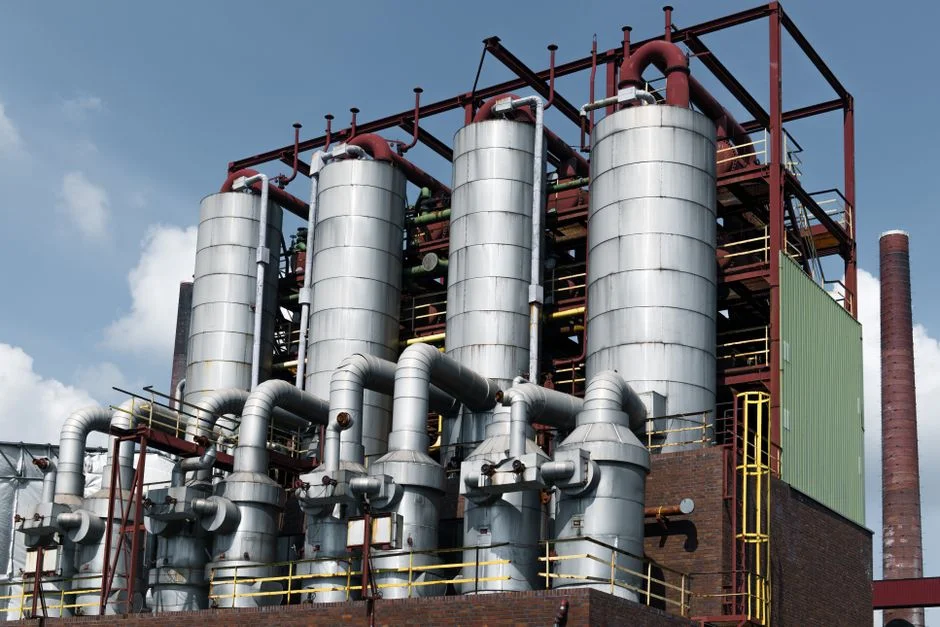
النسبة المعلنة لعام 2026، المستمدة من مقارنة DAF مقابل المروّق في المناخ الدافئ، هي أن CAPEX لـ DAF يبلغ 1.5–2.5x ما يعادله من Lamella عند التدفق ذاته (بيانات ميدانية من HydropureWater، 2026). ولتيار 100 m³/h، يعني ذلك الفرق بين مساحة DAF بنحو 30 m² وبصمة مروّق تقليدي بنحو 600 m²، مع Lamella في الوسط قرب 40 m². في موقع كونرو أو فينيكس، تبدو علاوة DAF كبيرة لأن Lamella يُركّب بتكلفة رخيصة والمبنى رخيص التغليف. أما في موقع فيربانكس، فإن الحساب ينعكس.
إن بيبيب المروّق بمساحة 5–8 m² لكل m³/h يتطلب إما حفرًا عميقًا في التربة الصقيعية (تكلفة عالية، مع مبادل حراري لحماية التربة الصقيعية تحته من الذوبان) أو مبنى كبيرًا مُسخّنًا (تكلفة طاقة تشغيلية عالية عند حرارة محيطة -25°C). ويمكن لمنصة DAF بمساحة 0.2–0.4 m² لكل m³/h أن تُركّب فوق سطح الأرض على ركائز فولاذية، مما يلغي خطر ذوبان التربة الصقيعية ويقلل تتبع حرارة المبنى إلى مغلّف مُسخّن صغير. ويضيّق OPEX الفجوة أكثر: يوفر Lamella حتى 30% من المخثر عبر إعادة تدوير الحمأة، لكن DAF ينتج تعويمًا أكثف (4–8% DS) يجفف بسهولة أكبر في مكبس ترشيح لوح وإطار لاحق. ويعتبر ضاغط الهواء ومضخة التدوير في DAF بنودًا حقيقية في الميزانية، وتبلغ عادة 8–15 kWh لكل m³ مُعالَج، لكنها تكلفة قابلة للتوسع ومعروفة وليست طارئة. وفي فيربانكس، غالبًا ما يقلب فرق الأعمال المدنية نسبة CAPEX المعلنة البالغة 1.5–2.5x بحيث يصبح إجمالي التكلفة المركبة لمنصة DAF تنافسيًا مع Lamella مدفونة أو أقل منها بمجرد تسعير الأساسات وغلاف المبنى والتتبع الحراري.
السيناريو 1: مركز حديد/تاكونيت بسعة 250 m³/h خارج فيربانكس
إن تصريف مركز حديد أو تاكونيت بسعة 250 m³/h يحمل 1,500–3,000 mg/L من TSS على شكل ندف Fe(OH)₃ بالإضافة إلى نعومة المغنتيت، دون زيت طافٍ، وهو التيار المرجعي الخالي من FOG وعالي التدفق. يُرجّح التدفق والكثافة مروّق Lamella أوليًا عالي المعدل بتحميل سطحي 30 m/h، مما يتطلب نحو 8–9 m² من مساحة الألواح، وبالتالي تتسع المعدات في مساحة مدمجئة وتكون الكيمياء هي عامل التصميم المحدد لا التصنيف الهيدروليكي. لا يُبرَّر تلميع DAF إلا إذا بدأ ورشة صيانة أو غسيل شاحنات بإضافة FOG بشكل متقطع; أما في خط تاكونيت نظيف، فيمكن لـ Lamella حمل الحمل وحده.
المتوقع لمياه معالجة خارجة وفق 40 CFR 437 مع ترسيب مناسب upstream: TSS دون 30 mg/L، ومعادن محتواة ضمن غلاف الحدود القصوى اليومية لـ Pb وZn وCu وFe (وفقًا لـ 40 CFR 437.30–437.32). أما الطبقة الخاصة بفيربانكس فهي مدنية لا كيميائية: يحتاج بيبيب Lamella إلى حرارة منخفضة مستمرة (تتبع غليكول على قمع الحمأة) ويجب أن يكون غلاف المبنى معزولًا بمقاومة حرارية R-40+ لإبقاء خطوط الحمأة فوق درجة التجمد خلال ليلة -40°C. وبالنسبة لخط تاكونيت لعام 2026، يُعدّ مروّق Lamella عالي المعدل الخيار الأولي الصحيح، مع إدراك أن لجنة المشتريات ستسعّر المبنى والأساسات كبند مستقل غالبًا ما يعادل تكلفة المعدات.
السيناريو 2: تجفيف منجم نحاس بعة 15 m³/h، تشغيل شتوي
إن تصريف حوض تجميع متقطع بسعة 15 m³/h يمتد عبر شتاء فيربانكس هو حالة حافة المناخ البارد التي تكشف كل نقطة ضعف في مروّق مدفون. التدفق صغير والتيار متغير والموقع بعيد، لذا فإن وحدة مُغلّفة تبدأ وتتوقف في دقائق وتتعامل مع منبع متغير تفوز تشغيليًا. إن Lamella في بيبيب غير مُسخّن يعرّض قمع الحمأة لخطر التجمد ويصعب عزله في موقع بعيد، لأن التتبع الحراري يجب أن يصل إلى القمع وخط التدفق السفلي وحق الخثارة في وقت واحد.
تُعدّ DAF مدمجة على منصة الخيار الأولي الصحيح هنا، مع إقرانها بـ منصة جرعات كيميائية أوتوماتيكية ليتعقب الجرعة التدفق المتغير. ويدفع CAPEX الأعلى لوحدة DAF عائده في وقت التشغيل التشغيلي عبر أكثر من 6 أشهر من التشغيل تحت الصفر، لأن المروّق المتجمد مروّق غير عامل. ويغطي نظام التعويم بالهواء المذاب نطاق 4–300 m³/h عبر 13 موديلًا قياسيًا، لذا فإن وحدة 15 m³/h تتجنب هامش الهندسة الخاصة وتُشحن على منصة واحدة. ولإطار المعالجة الأولية المجاورة لتيارات حاملة للمعادن، يرسم دليل عملية معالجة مياه صرف تعدين الذهب الكيمياء المماثلة لموقع فيربانكس متعدد المعادن.
بناء نطاق تكلفة 2026 الذي ستعتمده لجنة المشتريات
ثمة جزآن من المعدات المساعدة يجعلان نطاق تكلفة 2026 قابلًا للدفاع أمام لجنة مشتريات فيربانكس. أولًا، منصة الجرعات الكيميائية الأوتوماتيكية تحافظ على جرعة المخثر والبوليمر محكمة مقابل منبع متغير حتى لا ينحرف أي من النظامين عن نافذة تصميمه، ونقص جرعة المخثر هو بالضبط كيف ينهار افتراض التحميل السطحي لـ Lamella في التشغيل الفعلي. ثانيًا، مكبس ترشيح لوح وإطار لاحق مُحجّم إما لتعويم DAF (4–8% DS) أو التدفق السفلي لـ Lamella (2–5% DS) يُغلق حلقة معالجة المواد الصلبة ويقلل حجم الحمأة المنقولة على شبكة الطرق الطويلة في فيربانكس، حيث تقطع كل حمولة شاحنة 50–300 km فوق سلسلة جبال ألاسكا أو طريق Parks السريع.
قاعدة الإبهام في ميزانية فيربانكس: أضيفوا 15–25% إلى نسبة CAPEX العامة البالغة 1.5–2.5x لـ DAF/Lamella مقابل غلاف المبنى والتتبع الحراري وعلاوة الأساسات فوق التربة الصقيعية، وغالبًا ما يُغلق خيار منصة DAF فجوة إجمالي التكلفة المركبة أمام Lamella مدفونة بمجرد تسعير تلك البنود بأمانة. ولاستراتيجية أوسع لمعالجة الحمأة عبر دورة 2026، يُكمل دليل 2026 لتقليل إنتاج الحمأة الكيميائية نطاق التكلفة هذا مباشرة، وتؤطّر مقارنة DAF مقابل المروّق في المناخ الدافئ لموقع كونرو القرار المماثل في بيئة غير صقيعية.
الأسئلة الشائعة
هل تُلزم لوائح 40 CFR 437 باستخدام DAF تحديدًا؟
لا. لا يُفرض DAF ولا Lamella بموجب 40 CFR 437. يضع اللاعد حدودًا قصوى يومية ومتوسطات شهرية لمياه الصرف الخارجة من حيث TSS، والرصاص القابل للاسترداد الكلي، والزنك، والنحاس، والحديد، بالإضافة إلى نطاق pH من 6.0 إلى 9.0 (وفقًا لـ 40 CFR 437.30–437.32). ويمكن لـ DAF أو Lamella بحجم مناسب، مع الترسيب الكيميائي، تحقيق تلك الحدود، وكثير من المصانع الأمريكية تشغّل DAF أوليًا مع تلميع Lamella لهامش أمان ضد الحدود اليومية القصوى للمعادن.
ما التحميل السطحي الذي يجب أن يُصمَّم عليه Lamella على تيار تعديني في فيربانكس؟
بالنسبة لندف Fe(OH)₃ أو Al(OH)₃ الكثيفة، صُمِّم عند 20–30 m/h على المساحة المُسقطة لحزمة الألواح; أما بالنسبة للسيليكا الناعمة أو الندف منخفضة الكثافة، فاخفض إلى 10–15 m/h. نطاق 20–40 m/h المنشور مخصص لندف الهيدروكسيد النظيفة والمكثفة جيدًا فقط، ومعالجة تيار مغنتيت أو سيليكا ناعم عند الطرف الأعلى من النطاق سيدفع TSS فوق غلاف الحدود القصوى اليومية لـ 40 CFR 437 (بيانات ميدانية من HydropureWater، 2026).
هل يمكن تشغيل DAF خلال شتاء فيربانكس؟
نعم، لكن يجب عزل أو تتبع حراريًا لوعاء التشبع وخط إعادة التدوير، ويعد هامش تحجيم 30–40% على مضخة إعادة التدوير وحجم التشبع هو الخيار الهندسي المحافظ لمنبع دون الصفر. تبطؤ حركية نواتج الفقاعات المجهرية بنحو 20–30% عند 5°C مقارنة بـ 20°C، ويكون التأثير أحدّ تحت 0°C، لذا فإن وحدة شتاء فيربانكس ليست نفس وحدة 5°C في المناخ الدافئ (بيانات ميدانية من HydropureWater، 2026).
هل يمكن أن يكون Lamella هو الأساس الوحيد في خط تاكونيت خالٍ من FOG؟
نعم. كثير من مراكز التاكونيت تشغّل Lamella فقط كترسيب أولي على تيارات خالية من FOG. أضيفوا خطوة تلميع DAF فقط إذا بدأت النعومة الغروية تتسرب وتدفع TSS فوق الحد الأقصى اليومي، أو إذا أضاف تصريف ورشة صيانة أو غسيل شاحنات زيتًا متقطعًا لا يستطيع التقاطه Lamella.
كم أصغر مساحة DAF مقارنة بمروّق تقليدي؟
تُعدّ DAF بمساحة 0.2–0.4 m² لكل m³/h نحو عُشر مساحة مروّق الجاذبية التقليدي الذي تبلغ مساحته 5–8 m² لكل m³/h، وقرابة نصف مساحة Lamella عند التدفق ذاته. وبالنسبة لتيار 100 m³/h، يعني ذلك الفرق بين 30 m² من DAF و600 m² من مروّق تقليدي (بيانات ميدانية من HydropureWater، 2026)، وفي موقع فيربانكس غالبًا ما تتجاوز تكلفة الأساسات فوق التربة الصقيعية للخيار 600 m² تكلفة معدات DAF بأكملها.